
Why Our Coworking Space is the Perfect Venue for Events

Coworking spaces have revolutionized the way professionals work, collaborate, and network. Beyond providing an excellent workspace, coworking spaces have emerged as ideal venues for hosting a variety of events. Whether it’s corporate seminars, workshops, networking gatherings, or social celebrations, our coworking space is designed to accommodate events seamlessly. With a blend of modern infrastructure, flexible seating arrangements, and a vibrant community, we offer an unparalleled event-hosting experience.

A Versatile Space for Every Occasion

One of the most significant advantages of hosting an event at our coworking space is its versatility. Our venue can be transformed to suit different event formats, from intimate board meetings to large-scale conferences. Our flexible furniture setup allows for quick rearrangements to create an ambiance that aligns perfectly with your event’s theme and purpose.

Corporate Events and Conferences

Companies often seek venues that provide professional settings without the hassle of managing logistics. Our coworking space is equipped with state-of-the-art conference rooms, presentation areas, and breakout zones, making it an ideal choice for corporate events. With high-speed internet, audio-visual equipment, and dedicated support staff, we ensure a seamless experience for both organizers and attendees.

Workshops and Training Sessions

Education and skill-building events thrive in an environment that fosters creativity and interaction. Our coworking space provides a conducive setting for hands-on workshops, training sessions, and skill development programs. The availability of whiteboards, projectors, and other training essentials makes our venue highly sought after for such events.

Networking Meetups

Networking events require an engaging and dynamic atmosphere where professionals can connect and exchange ideas. Our coworking space is already home to a diverse community of entrepreneurs, freelancers, and business professionals, creating a natural networking hub. With open lounges, refreshment areas, and interactive seating arrangements, attendees can effortlessly mingle and collaborate.

Product Launches and Exhibitions

Companies looking to unveil new products or showcase their services need a venue that provides both functionality and aesthetics. Our coworking space offers visually appealing settings, customizable branding options, and ample space to display products, making it a perfect spot for launches and exhibitions.

Cutting-Edge Amenities

The success of an event depends largely on the quality of the facilities available. Our coworking space is fully equipped with modern amenities to ensure a smooth event experience:

  • High-Speed Wi-Fi: Reliable internet connectivity to support live streaming, presentations, and seamless communication.
  • Audio-Visual Equipment: Projectors, microphones, speakers, and LED screens to enhance presentations and interactions.
  • On-Site Support Staff: A dedicated team to assist with setup, technical support, and event management.
  • Catering and Refreshments: Access to in-house catering or partnerships with local vendors to provide food and beverages.
  • Comfortable Seating Arrangements: Ergonomic seating options and flexible layouts to match event requirements.

Prime Location and Accessibility

Our coworking space is strategically located in a prime area with easy accessibility via public transport and ample parking facilities. Guests attending events can conveniently reach the venue, ensuring maximum participation. The surrounding infrastructure, including cafes, hotels, and transport hubs, further adds to the convenience.

A Collaborative Community

Unlike traditional event venues, our coworking space offers more than just physical infrastructure; it provides an environment rich in collaboration and innovation. Attendees often find themselves engaging in meaningful discussions, forming new business relationships, and gaining insights from the vibrant community that our space nurtures.

Cost-Effective and Customizable Packages

Hosting events at conventional venues often comes with high costs and rigid booking structures. Our coworking space offers flexible rental plans that cater to different budget ranges, ensuring cost-effectiveness. Whether you need the space for a few hours, a full day, or multiple days, we provide tailored packages to meet your requirements.

Sustainability and Eco-Friendly Practices

In addition to offering a productive environment, we prioritize sustainability. Our coworking space follows eco-friendly practices, including energy-efficient lighting, waste reduction, and green initiatives. Hosting events here allows organizers to align with sustainability goals while providing a responsible and forward-thinking setting.

Testimonials from Event Hosts

Many event organizers have chosen our coworking space for their events and have praised its functionality and atmosphere. Here are a few testimonials:

  • A good location has an awesome interior vibe.”
  • “Good co-working place, nicely maintained with very good supportive admin staff. Very good ambience with neatly maintained common areas, meeting rooms and board rooms.”
  • Great atmosphere to work, clean cafeteria and lovely space to boost up your mind. Many artistic works done by the team to feel that you are in a cool & calm place. Easy accessible from many locations via metro.”

Choosing the right venue plays a crucial role in the success of any event. Our coworking space stands out as a premier event-hosting destination due to its versatility, modern amenities, prime location, and cost-effectiveness. Whether you’re planning a corporate meeting, workshop, or social gathering, we provide the perfect setting to bring your vision to life.

If you’re looking for a seamless, well-equipped, and vibrant space for your next event, our coworking space is the ideal choice. Get in touch with us today to book your event and experience the perfect blend of professionalism and creativity!

Why Private Offices Are the New Power Move for Professionals in 2025

The modern professional landscape has witnessed a significant transformation, and at the center of this evolution lies a new trend: private offices within coworking spaces. In 2025, these private workspaces are more than just an upgrade—they’re a strategic choice for professionals seeking to elevate their productivity, privacy, and overall work experience.

As coworking spaces continue to dominate the flexible workspace market, private offices within these environments have emerged as the ultimate power move for freelancers, entrepreneurs, startups, and corporate teams alike. Here’s why private offices are redefining the way professionals work in 2025.

The Rise of Private Offices in Coworking Spaces

Coworking spaces were initially designed to foster collaboration and community. However, as remote work became more prevalent and professionals sought focused environments, the need for private workspaces within these shared hubs grew. In 2025, coworking spaces have adapted by offering fully equipped private offices that combine the flexibility of coworking with the privacy of traditional offices.

These private offices cater to a wide range of users—from solopreneurs who need a distraction-free zone to small teams working on confidential projects. The combination of community and seclusion has proven to be a winning formula for professionals aiming to maximize their efficiency and work-life balance.

Privacy Meets Productivity

One of the primary drivers behind the popularity of private offices in coworking spaces is the unparalleled focus they provide. Unlike open-plan coworking areas, private offices offer a noise-free environment where professionals can concentrate without constant interruptions.

Soundproof walls, customizable layouts, and smart technology allow users to tailor their workspace to their specific needs. Whether it’s adjusting the lighting, temperature, or background music, professionals can create an environment that enhances their workflow.

Moreover, private offices provide a secure space for handling sensitive information, holding confidential meetings, and working on intellectual property without the risk of prying eyes.

Flexibility Without Compromise

In 2025, the concept of the traditional lease has become obsolete for many professionals. Private offices in coworking spaces offer flexible rental terms—daily, monthly, or yearly—allowing users to scale up or down as their needs change.

This flexibility is particularly advantageous for startups and growing businesses. Instead of committing to long-term leases, companies can rent private offices that accommodate their current team size, with the option to expand as they grow.

Coworking spaces also provide shared amenities—meeting rooms, break areas, fitness zones—ensuring that private office users enjoy the benefits of a fully serviced workspace without the overhead costs of a traditional office setup.

Technology-Driven Workspaces

Private offices in coworking spaces are equipped with cutting-edge technology to support modern workstyles. High-speed internet, video conferencing setups, smart access controls, and AI-powered climate management systems create an optimal work environment.

Additionally, virtual collaboration tools seamlessly integrate remote and in-person teamwork. Holographic displays, augmented reality workstations, and advanced project management platforms ensure that professionals can stay connected and productive, no matter where their teammates are located.

Health, Wellness, and Sustainability

In 2025, professionals prioritize well-being alongside productivity. Private offices within coworking spaces are designed with health and sustainability in mind. Ergonomic furniture, circadian lighting, air purification systems, and biophilic design elements contribute to a healthier work environment.

Many coworking providers have also implemented wellness initiatives—such as meditation rooms, on-site fitness centers, and mental health support—ensuring that professionals can maintain a balanced lifestyle while working.

Sustainability is another key focus. Private offices are often constructed using eco-friendly materials, energy-efficient systems, and waste-reduction practices. This commitment to environmental responsibility aligns with the values of modern professionals and organizations.

Coworking Community with Private Comfort

While private offices offer seclusion, they don’t isolate users from the vibrant coworking community. Professionals can enjoy the best of both worlds—retreating to their private workspace for focused tasks and engaging with the coworking community for networking, collaboration, and social events.

Coworking spaces regularly host workshops, industry talks, and networking sessions, providing valuable opportunities for professional growth. Private office users can participate in these activities while maintaining the comfort of their dedicated workspace.

Empowering Entrepreneurs and Remote Workers

For entrepreneurs, freelancers, and remote workers, private offices within coworking spaces represent the perfect blend of independence and structure. These professionals can enjoy the autonomy of running their own business while benefiting from the infrastructure and support provided by coworking hubs.

Private offices also serve as a professional setting for client meetings, project discussions, and virtual collaborations. This polished environment enhances credibility and facilitates stronger business relationships.

Cost-Effective Solution for Modern Businesses

Compared to traditional office leases, private offices in coworking spaces offer a cost-effective solution. With utilities, maintenance, and amenities included in the rental fee, professionals can enjoy premium workspaces without hidden costs.

Moreover, coworking providers often offer tiered membership plans, allowing users to choose a package that suits their budget and work requirements. This affordability makes private offices accessible to a broader range of professionals and businesses.

The Future of Private Offices in Coworking Spaces

Looking ahead, private offices in coworking spaces will continue to evolve, driven by advancements in technology and changing work preferences. AI-driven personalization, immersive virtual workstations, and enhanced wellness features will further elevate the private office experience.

As more professionals embrace hybrid work models, the demand for flexible, private workspaces will only grow. Coworking providers will continue to innovate, offering tailored solutions that empower professionals to work smarter, healthier, and more efficiently.

In 2025, private offices within coworking spaces are more than just a workspace—they’re a statement. They represent a commitment to productivity, well-being, and professional growth. For freelancers, entrepreneurs, remote workers, and corporate teams, investing in a private office is the ultimate power move—a strategic choice that unlocks new levels of success and satisfaction.

Whether you’re scaling a startup, managing a remote team, or simply seeking a distraction-free environment, private offices in coworking spaces provide the perfect balance of privacy, flexibility, and community. As the workplace continues to evolve, one thing is clear: the future belongs to those who prioritize both comfort and performance—and private offices are leading the way.

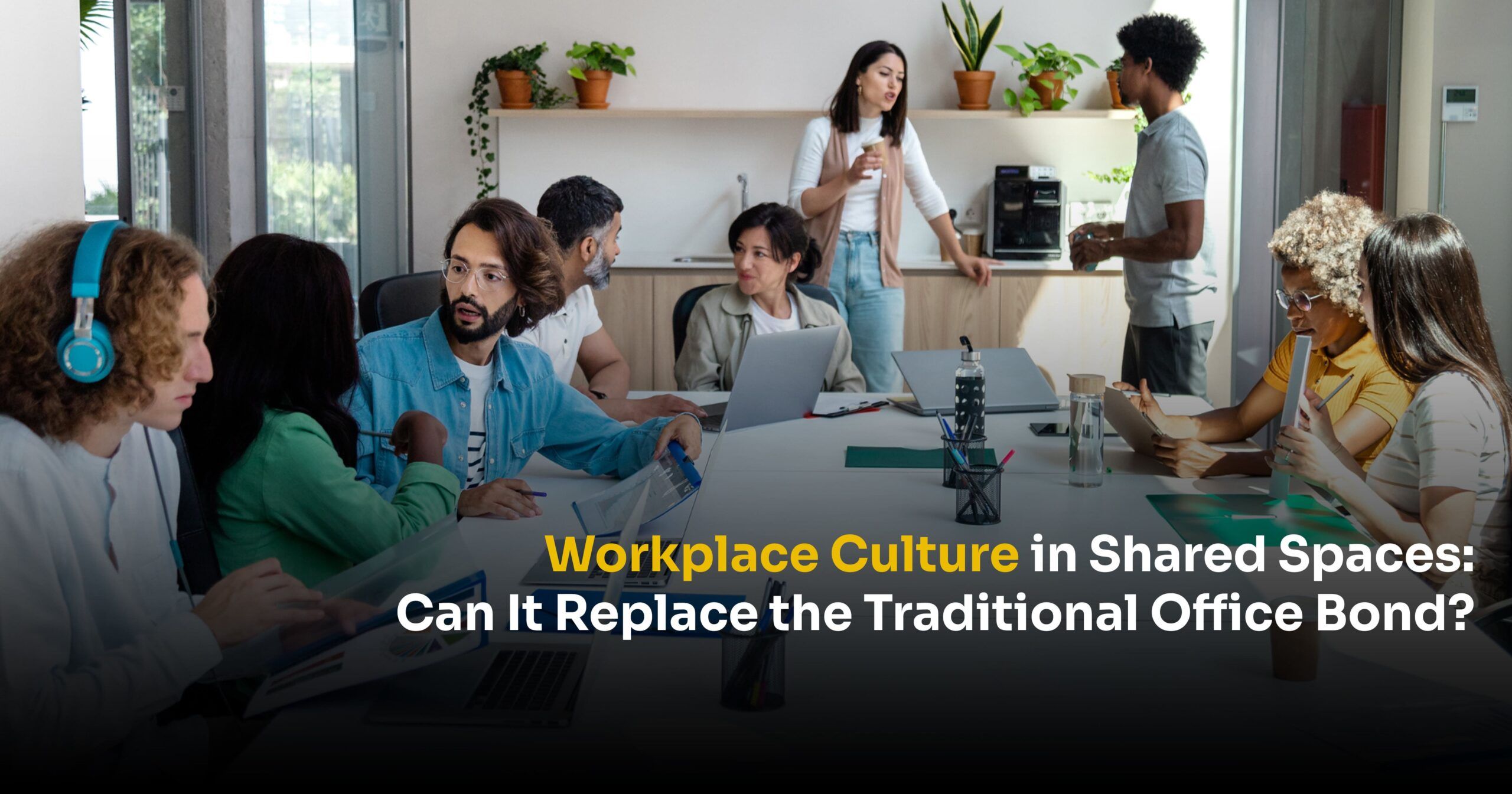
Workplace Culture in Shared Spaces: Can It Replace the Traditional Office Bond?

The Impact of Shared Work Environments on Team Dynamics

The traditional office has long been considered the backbone of company culture. The daily routine of commuting, coffee breaks with colleagues, and spontaneous brainstorming sessions at desks created a sense of belonging that strengthened workplace relationships. But as businesses shift towards shared workspaces, the question arises: Can a coworking environment foster the same level of team bonding and cultural cohesion?

The answer is not as simple as yes or no. Shared spaces bring their own unique dynamics—ones that, in many ways, enhance workplace culture, collaboration, and productivity. But do they offer the same depth of connection that traditional office setups once provided? Let’s explore how shared work environments are redefining team culture and whether they can truly replace the traditional office bond.


1. The Evolution of Workplace Culture

Before remote work and coworking spaces became the norm, workplace culture revolved around physical proximity. Companies cultivated camaraderie through in-person interactions—team lunches, office parties, and the unplanned yet valuable hallway conversations.

However, the modern workforce is evolving. Employees now seek flexibility, autonomy, and purpose-driven engagement rather than just a paycheck and a desk. The traditional office no longer dictates culture; instead, it’s the people, interactions, and shared values that define the work environment—whether inside a corporate office or a shared coworking space.

This shift has made shared workspaces more than just a desk rental service—they are now communities designed to enhance collaboration, creativity, and professional relationships in ways the traditional office never could.


2. Can Shared Spaces Create Stronger Team Bonds?

✅ Diversity & Cross-Industry Collaboration

One of the biggest advantages of shared spaces is exposure to a diverse professional community. Unlike traditional offices where employees interact mostly within their own teams, coworking spaces mix professionals from different industries, backgrounds, and expertise.

This diversity creates:
✔️ More learning opportunities—Employees gain fresh perspectives from professionals outside their industry.
✔️ Stronger networking potential—Chance encounters can lead to valuable collaborations.
✔️ A more dynamic work environment—Shared spaces are buzzing with energy, ideas, and cross-disciplinary discussions.

Rather than isolating teams within the same company, shared spaces encourage open, fluid networking, which can strengthen interpersonal skills and professional development.


✅ The Rise of Intentional Team Bonding

While traditional offices relied on spontaneous interactions, shared spaces require intentional relationship-building.Companies using coworking environments must actively foster workplace culture rather than rely on office proximity to do it for them.

💡 How teams create strong bonds in shared workspaces:

  • Scheduled team meetups—Regular in-person catch-ups strengthen camaraderie.
  • Hybrid collaboration—Mixing remote work with structured office days ensures balance.
  • Participating in coworking events—Workshops, networking events, and social gatherings bring teams together in an organic way.
  • Using shared community spaces—Lounge areas, cafeterias, and breakout zones encourage informal interactions.

This intentional approach to culture-building makes workplace relationships more meaningful and less dependent on daily physical presence.


3. The Role of Shared Spaces in Enhancing Productivity & Teamwork

🏢 An Environment That Encourages Collaboration

Coworking spaces are designed for interaction and innovation—unlike traditional offices, where silos can form between departments.

🚀 How shared spaces enhance teamwork:
✔️ Open floor plans promote idea-sharing.
✔️ Breakout rooms allow for quick brainstorming sessions.
✔️ Shared lounges & cafés create relaxed networking opportunities.
✔️ Meeting rooms & tech-equipped spaces support hybrid teams.

Companies that use coworking spaces find that collaboration feels more natural and spontaneous, leading to increased engagement and stronger teamwork.


🎯 Flexibility Increases Employee Satisfaction

A strict 9-to-5 work model doesn’t work for everyone. Shared spaces offer flexibility, allowing employees to choose when and where they work best.

📌 Why flexibility improves team culture:
✔️ Less stress & burnout—Employees work at their own pace.
✔️ Better work-life balance—Flexible schedules lead to happier, more engaged teams.
✔️ Autonomy fosters accountability—When employees are given freedom, they take ownership of their work.

A positive work culture thrives in an environment where employees feel trusted and empowered, and shared spaces encourage that kind of independence.


4. Can Shared Spaces Replace the Traditional Office Bond?

The short answer: Yes, but with adaptation.

The traditional office bond came from routine interactions—but workplace relationships are no longer dependent on proximity. Shared spaces offer a different, but equally effective approach to culture-building.

🔄 What’s Different?

✔️ Workplace culture is now intentional, not accidental.
✔️ Collaboration is fluid and multi-industry.
✔️ Flexibility replaces rigid work hours.
✔️ Technology bridges communication gaps.

🔄 What Remains the Same?

✔️ Teamwork is still the foundation of success.
✔️ Shared goals and values drive company culture.
✔️ The need for social connections at work remains essential.

While the mechanisms of team bonding have changed, the core essence of workplace culture remains—only now, it’s more flexible, diverse, and innovative.


5. How Companies Can Build a Strong Culture in Shared Workspaces

If your company is transitioning to a shared workspace model, here are key strategies to maintain a strong company culture:

🎯 1. Set Clear Communication Channels

  • Use Slack, Zoom, or Microsoft Teams for consistent team interactions.
  • Schedule weekly check-ins to maintain alignment.

🎯 2. Encourage Social Interactions

  • Organize team lunches or coffee meetups.
  • Join coworking community events to build relationships beyond your team.

🎯 3. Prioritize Collaboration Spaces

  • Invest in private meeting rooms for focused discussions.
  • Use breakout areas for brainstorming sessions.

🎯 4. Blend Virtual & In-Person Work

  • Create hybrid schedules that combine remote work with in-office days.
  • Encourage teams to rotate their workspaces to foster interaction.

🎯 5. Foster a Sense of Identity

  • Customize your shared workspace with brand elements (logos, color themes).
  • Reinforce company culture through team values and shared objectives.

By adopting these strategies, companies can not only preserve but enhance their workplace culture, even in a shared space environment.


The Future of Workplace Culture

Coworking spaces are not just an alternative to traditional offices—they are shaping the future of workplace culture. They foster:
✔️ More diverse interactions
✔️ Increased collaboration
✔️ Greater flexibility & autonomy
✔️ Stronger, more intentional team bonds

While they may not fully replicate the nostalgia of office cubicles and watercooler chats, they offer a dynamic, engaging, and highly productive environment that’s redefining how teams connect.

So, can shared spaces replace the traditional office bond?
✅ Yes—but in a way that’s even better suited for the future of work.

Looking for the perfect shared space to build your team culture?

Find The Executive Zone that aligns with your company values and watch your team thrive. Because workplace culture isn’t about where you work—it’s about how you work together.

Why First Impressions Matter: Choosing the Right Meeting Room for Client Pitches

The Role of Aesthetics and Technology in Closing Deals

Imagine walking into a dimly lit, cluttered meeting room with outdated furniture and an unreliable Wi-Fi connection. Now, contrast that with a sleek, modern conference room equipped with high-definition displays, seamless video conferencing, and a comfortable yet professional atmosphere. Which setting do you think will leave a lasting impression on your client?

The truth is, first impressions can make or break a deal. Whether you’re pitching to a potential investor, a corporate client, or a strategic partner, the meeting room you choose speaks volumes about your business before you even say a word. From aesthetics to technology, every element in the room plays a role in building trust, confidence, and credibility.

Let’s explore how the right meeting room can influence client decisions and how you can maximize your chances of closing the deal.


1. The Psychology of First Impressions in Business

Studies show that people form an opinion within seven seconds of meeting someone. In business, this extends beyond personal appearance—it includes the environment you invite your clients into.

well-designed, professional meeting space immediately conveys competence, reliability, and attention to detail. It sets the stage for a smooth discussion, showing that you are prepared, organized, and serious about the business at hand.

In contrast, a poorly chosen meeting space—whether it’s too noisy, cramped, or technologically outdated—can create doubt and hesitation. Clients may subconsciously associate a lackluster environment with disorganization, inefficiency, or a lack of resources, making them less likely to trust your capabilities.


2. Aesthetics: Creating a Space That Inspires Confidence

The Look and Feel Matter

The visual appeal of your meeting space plays a crucial role in influencing emotions and perceptions. A meeting room should:

✔️ Reflect Professionalism: Clean lines, modern furniture, and a clutter-free environment create a polished, high-end look.
✔️ Enhance Comfort: Ergonomic chairs and spacious layouts keep clients engaged and at ease.
✔️ Incorporate Brand Identity: Subtle branding elements—like company colors or logos—help reinforce brand awareness.
✔️ Encourage Focus: Neutral tones and strategic lighting minimize distractions and maintain a productive atmosphere.

Location and Accessibility

Beyond interior design, the location of your meeting room also affects first impressions. A centrally located, well-connected office space makes it easy for clients to arrive stress-free, setting the right tone before the meeting even begins.

If you’re using a coworking space, ensure that the room is positioned away from high-traffic areas to prevent interruptions or background noise.


3. Technology: The Deal-Maker or Deal-Breaker

In today’s digital age, clients expect seamless technology during meetings. A strong pitch can be instantly derailed by poor connectivity, outdated screens, or malfunctioning video conferencing tools.

Here’s why cutting-edge meeting room technology is non-negotiable:

A. High-Speed Internet & Reliable Connectivity

🚀 Clients don’t have time for lagging connections or buffering videos. A stable, high-speed internet connection ensures smooth presentations and virtual meetings.

B. Interactive Presentation Tools

🖥️ Large high-resolution screens, wireless projectors, and interactive whiteboards can elevate your pitch, making it more engaging and visually appealing.

C. Seamless Video Conferencing

📹 With hybrid work becoming the norm, many client meetings involve remote attendees. The meeting room should have HD video conferencing tools, high-quality microphones, and noise-canceling technology to ensure crystal-clear communication.

D. Smart Room Automation

💡 AI-powered tools, such as automated lighting, smart climate control, and voice-activated assistants, can create a seamless, distraction-free experience.

When your meeting room is tech-ready, it not only enhances the flow of the discussion but also shows your commitment to efficiency and innovation—qualities that clients value.


4. Choosing the Right Meeting Room for Different Types of Client Pitches

Different pitches require different meeting room setups. Selecting the right space based on your client’s expectations can enhance engagement and improve the chances of closing a deal.

A. Investor Pitches

🔹 Ideal Room: A formal, well-equipped boardroom with sleek furniture and advanced presentation tools.
🔹 Why? Investors want clear, data-driven presentations. A professional setting helps reinforce confidence in your numbers and vision.

B. Sales Presentations

🔹 Ideal Room: A dynamic, flexible meeting space with interactive screens and space for product demos.
🔹 Why? A visually engaging environment makes your product/service more compelling, increasing client buy-in.

C. Creative or Brainstorming Pitches

🔹 Ideal Room: An open, collaborative space with whiteboards, mood boards, and comfortable seating.
🔹 Why? This type of room encourages free-flowing discussion and idea generation, which is ideal for creative industries.

D. Virtual & Hybrid Meetings

🔹 Ideal Room: A fully-equipped virtual conference room with dual monitors, remote collaboration software, and high-quality video/audio equipment.
🔹 Why? Hybrid meetings require seamless integration between in-person and remote attendees to maintain engagement.


5. Small Details That Make a Big Impact

While aesthetics and technology are key, sometimes the smallest details leave the biggest impressions.

✅ Personal Touches & Hospitality

  • Offering premium coffee, refreshments, or branded stationery makes clients feel valued.
  • A warm welcome from the reception team enhances the overall experience.

✅ Cleanliness & Organization

  • A spotless, well-maintained space shows professionalism and attention to detail.
  • Make sure cables are neatly arranged, and technical equipment is tested before the meeting.

✅ Time Management & Punctuality

  • Arrive early to set up and troubleshoot any technical issues.
  • Keep the meeting structured and focused to respect the client’s time.

When all these elements come together, your meeting room not only impresses but also builds trust, credibility, and long-term relationships with clients.


Final Thoughts: The Meeting Room as a Strategic Asset

Choosing the right meeting room is not just about having a space to talk—it’s about setting the stage for success. A well-designed, technology-enabled, and strategically located meeting room can:

✅ Build credibility and trust before the first handshake.
✅ Enhance engagement and persuasion during client pitches.
✅ Create a seamless, professional experience that reflects your brand’s values.

In an era where competition is fierce, first impressions can be the deciding factor between winning and losing a deal. By investing in the right meeting room, you’re not just creating a space—you’re creating an opportunity to seal the deal with confidence.

Need a premium meeting room for your next big pitch?

Find The Executive Zone – a professional, fully-equipped space that matches your business needs and impresses your clients from the moment they walk in. Because in business, first impressions are everything.

The Role of Virtual Offices in the Age of AI and Automation

How AI-Driven Operations Are Making Virtual Offices Even More Efficient

The workplace is no longer bound by four walls. Virtual offices have transformed how businesses operate, allowing professionals to work seamlessly from anywhere. But as remote work becomes the norm, artificial intelligence (AI) and automation are taking virtual office solutions to the next level—enhancing efficiency, improving communication, and streamlining operations.

From AI-powered virtual assistants to automated administrative tasks, businesses leveraging AI-driven virtual offices are staying ahead in an increasingly digital world. But what exactly is the role of AI in virtual offices, and how is it shaping the future of work? Let’s explore.


1. AI-Powered Virtual Assistants: Your Office Manager in the Cloud

Running a virtual office requires efficiency, and AI-powered virtual assistants (VAs) have become indispensable. These intelligent systems can handle multiple tasks that previously required human intervention, such as:

✅ Call Handling & Customer Support: AI-driven bots can answer customer inquiries, schedule calls, and provide instant responses.
✅ Appointment Scheduling: AI assistants like Calendly or Google’s AI-powered scheduling tools eliminate the hassle of back-and-forth emails.
✅ Email Sorting & Management: AI tools categorize and prioritize emails, ensuring urgent messages are addressed promptly.

AI-powered virtual assistants allow businesses to operate smoothly without the need for full-time administrative staff. Whether you’re a startup founder, freelancer, or a growing company, having an AI-driven virtual receptionist keeps operations running 24/7.


2. Automating Administrative Tasks for Greater Productivity

One of the biggest challenges of managing a virtual office is handling repetitive administrative work. AI and automation tools are stepping in to reduce manual effort and boost productivity.

🔹 Cloud-Based Document Management: AI-driven platforms like Google Drive, Dropbox, and OneDriveautomatically sort, tag, and retrieve files, making collaboration effortless.
🔹 Automated Invoicing & Accounting: Tools like FreshBooks and QuickBooks handle invoicing, expense tracking, and tax calculations without human intervention.
🔹 Data Entry & Reports: AI-driven systems collect, analyze, and generate reports, reducing human errors and saving time.

By integrating AI automation, businesses using virtual offices can eliminate inefficiencies, reduce costs, and focus on strategic growth rather than getting bogged down in administrative work.


3. Smart Meeting Management & AI-Enhanced Video Conferencing

Meetings are a crucial part of business operations, even in virtual settings. AI-powered meeting tools are enhancing the way teams collaborate remotely:

🎥 AI-Powered Video Calls: Platforms like Zoom, Microsoft Teams, and Google Meet now use AI for real-time noise cancellation, background blur, and automatic transcription.
📅 Automated Scheduling & Reminders: AI suggests the best meeting times based on participants’ availability.
📝 AI-Generated Meeting Summaries: Tools like Otter.ai and Fireflies.ai transcribe meetings, highlight key points, and create action items for teams.

AI-driven meeting management ensures that virtual teams stay organized, efficient, and focused—without wasting valuable time on scheduling and note-taking.


4. Enhanced Security & AI-Powered Fraud Prevention

With businesses shifting to cloud-based virtual offices, data security has become a top priority. AI-driven cybersecurity measures are making virtual offices safer than ever:

🔒 AI-Driven Threat Detection: Systems can identify and block suspicious activities before they become security threats.
📂 Automated Data Encryption: AI secures sensitive business data through encryption and multi-factor authentication.
📡 Fraud Prevention in Online Transactions: AI algorithms detect unusual patterns to prevent cyber fraud.

These AI-driven security enhancements help businesses operate with confidence, knowing their virtual office is protected from cyber risks.


5. AI-Enhanced Customer Engagement & Virtual Office Branding

A virtual office isn’t just about having a business address—it’s also about maintaining a professional image and ensuring seamless client interactions. AI-driven tools are revolutionizing customer engagement for virtual offices:

💬 AI Chatbots for Instant Customer Support: AI chatbots on websites and social media platforms provide instant responses to customer inquiries, improving response times and client satisfaction.
📈 Predictive Analytics for Business Growth: AI analyzes customer interactions to predict future needs and improve marketing strategies.
🎨 AI-Powered Content Creation: AI tools like ChatGPT, Copy.ai, and Jasper assist in generating content, emails, and social media posts to maintain a strong online presence.

By integrating AI into virtual office operations, businesses can boost their brand image and enhance customer relationships, even without a physical presence.


6. Smart Virtual Office Space Management

AI and automation are also improving the physical aspects of virtual offices, especially for businesses using coworking spaces or shared work environments:

🏢 AI-Driven Desk Booking Systems: Automated booking platforms manage hot desks, meeting rooms, and workspaces in real-time.
🌱 Smart Energy Management: AI monitors and adjusts office energy consumption, reducing costs and supporting sustainability efforts.
📍 AI-Powered Location Analytics: Businesses can analyze workspace usage and employee preferences to optimize virtual office setups.

By leveraging AI-powered workspace solutions, businesses can create smarter, more efficient virtual office environments tailored to their specific needs.


7. AI & Automation in Remote Team Collaboration

A major challenge in virtual offices is keeping teams connected and aligned. AI-driven collaboration tools are bridging this gap:

👥 AI-Powered Project Management: Platforms like Trello, Asana, and Monday.com automate workflows, track progress, and provide insights.
📢 Real-Time Language Translation: AI tools enable seamless communication between global teams by translating conversations in real time.
📊 AI-Driven Employee Productivity Insights: AI analyzes work patterns to identify burnout risks, improve workflows, and increase engagement.

By integrating AI into virtual team management, businesses can create stronger, more connected remote teams that perform at their best.


The Future of Virtual Offices with AI & Automation

AI and automation are not replacing human work—they’re enhancing it. Virtual offices, powered by AI-driven tools, allow businesses to:

✔️ Operate more efficiently with minimal manual intervention.
✔️ Reduce operational costs while maintaining high productivity.
✔️ Offer better customer experiences through AI-driven support.
✔️ Keep teams connected and secure with smart collaboration tools.

As AI technology continues to evolve, virtual offices will become even smarter, more adaptive, and more intuitive, reshaping the way businesses function.

For companies looking to embrace flexibility, innovation, and scalability, AI-powered virtual offices are the future. Are you ready to make the shift?