
How to Maximize Productivity in a Coworking Space in Chennai

In recent years, coworking spaces have grown in popularity, particularly in Chennai, which is a hotspot for startups and small enterprises. Coworking spaces offer numerous benefits, such as networking opportunities, cost-effective solutions, and a flexible work environment. However, working in a shared space can sometimes lead to distractions and decreased productivity. In this article, we will provide tips on how to maximize productivity in a coworking space in Chennai.

1. Plan Your Work Schedule: Set a schedule for your workday and stick to it. Allocate specific times for important tasks, and take regular breaks to avoid burnout. Having a routine will aid in focusing and minimizing distractions.

2. Choose Your Workspace Wisely: Choose a workspace that suits your work style. If you need a quiet environment, opt for a private cabin. Choose an open desk or lounge area if you prefer a more social setting. Ensure that your workspace has adequate lighting, comfortable seating, and a stable internet connection.

3. Minimize Distractions: Coworking spaces can be noisy and full of distractions. To drown out sounds, put on noise-canceling headphones or earplugs.  If you need to focus, switch off your phone notifications or use apps that limit social media usage during work hours.

4. Take Advantage of Amenities: Most coworking spaces offer amenities such as coffee machines, meeting rooms, and printing facilities. Take advantage of these services to save time and increase productivity. For instance, if you need to print a document, use the in-house printer instead of going to a nearby print shop.

Cowoking Space for Rent in Chennai

5. Network: Coworking spaces offer excellent networking opportunities. Attend events and workshops organized by the coworking space to meet new people and learn new skills. Building a network can help you gain new clients, find collaborators, and grow your business.

6. Stay Organized: Keep your workspace clutter-free and organized. Use filing cabinets, shelves, and storage boxes to store your belongings. Use digital tools such as project management software and cloud storage to manage your work efficiently.

Coworking spaces offer a flexible and cost-effective solution for small businesses and freelancers in Chennai. However, working in a shared space can sometimes lead to distractions and decreased productivity. By following these tips, you can maximize your productivity and make the most of your coworking space. Plan your work schedule, choose your workspace wisely, minimize distractions, take advantage of amenities, network, and stay organized. With these strategies, you can achieve your goals and grow your business in a coworking space in Chennai.
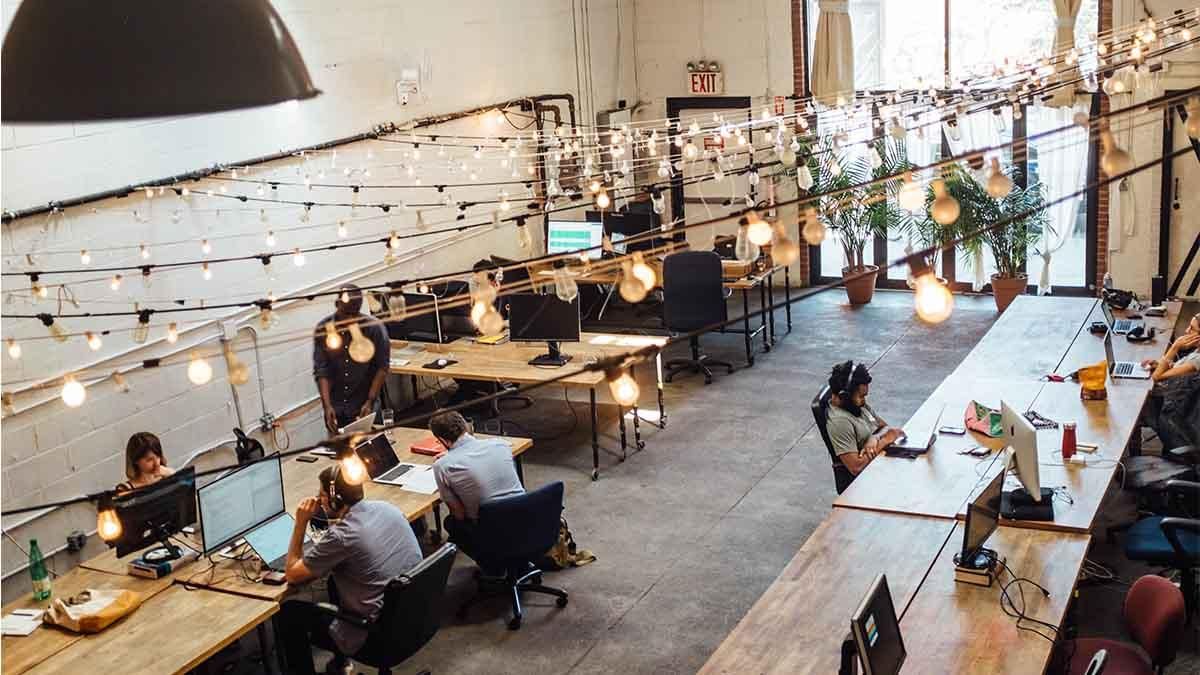

As the World Moves Towards a More Flexible and Cost

As the world moves towards a more flexible and cost-effective work environment, shared office spaces have gained immense popularity. Chennai, the bustling city in southern India, has become a hub for startups, freelancers, and small businesses looking for affordable office spaces. In this article, we will discuss the pros and cons of choosing a shared office space for rent in Chennai.

Pros of Choosing a Shared Office Space for Rent in Chennai:

1. Cost-effective: Shared office spaces are much cheaper than traditional office spaces, which can save businesses a lot of money.

2. Flexible: Shared office spaces offer a high level of flexibility, allowing businesses to rent space on a short-term or long-term basis as per their requirement.

3. Networking Opportunities: Shared office spaces bring together a diverse group of individuals and businesses, providing ample opportunities to network and collaborate.

4. Amenities: Shared office spaces come equipped with various amenities such as high-speed internet, meeting rooms, printing facilities, and kitchen areas, which can be used by all tenants.

5. Support: Shared office spaces often provide support staff, such as receptionists and IT professionals, which can be a significant advantage for small businesses and freelancers who do not have their own support staff.

Office Space for Rent in Chennai

Cons of Choosing a Shared Office Space for Rent in Chennai:

1. Lack of Privacy: Shared office spaces can be noisy and lack privacy, which may not be suitable for businesses that require a quiet environment.

2. Limited Control: Tenants may have limited control over the design and layout of the office space, which can be a disadvantage for businesses that require a customized workspace.

3. Limited Storage Space: Shared office spaces may not provide enough storage space for businesses that require a large amount of storage.

4. Distractions: With so many people working in the same space, there can be distractions and interruptions, which may affect productivity.

5. Contractual Obligations: Shared office spaces require tenants to sign a contract, which may have strict terms and conditions that may not be suitable for all businesses.

Choosing a shared office space for rent in Chennai can be a great option for small businesses, startups, and freelancers looking for a cost-effective and flexible workspace. But before choosing a choice, it’s important to carefully consider the advantages and disadvantages. Businesses must consider their specific needs and requirements before choosing a shared office space for rent in Chennai.

Tips for Choosing the Right Meeting Room in Chennai for Your Business Needs

In today’s fast-paced business world, meetings play a crucial role in driving growth and success. Choosing the right meeting room can significantly impact the effectiveness and productivity of your meetings. Chennai, the capital city of Tamil Nadu, is a hub of business activity and has a plethora of meeting rooms to choose from. However, making the right decision can be tough. In this post, we’ll offer advice on how to pick the ideal meeting space in Chennai for your company’s requirements.

Meeting Rooms for Rent in Chennai

1. Location: The first and foremost consideration when choosing a meeting room is the location. Pick a location that is convenient for all visitors. It should be centrally located, close to public transportation, and have ample parking space.

2. Capacity: Consider the number of people attending the meeting and choose a room that can accommodate everyone comfortably. Ensure that there is enough space for attendees to move around and take notes.

3. Technology: Technology plays a vital role in today’s meetings. Ensure that the meeting room is equipped with the latest audio-visual equipment, projectors, screens, and Wi-Fi connectivity. Check if the venue provides technical support to avoid any technical glitches during the meeting.

4. Amenities: The meeting room should provide amenities such as air conditioning, comfortable seating, and proper lighting. Also, ensure that the room has adequate power outlets for laptops, chargers, and other devices.

5. Catering: Choose a meeting room that offers catering services to keep attendees energized throughout the day. Check if they provide snacks, beverages, and lunch.

6. Budget: Set a budget before starting your search for a meeting room. There are many options available at various price points, so it’s important to know how much you can afford to spend.

7. Reputation: Do some research on the venue’s reputation before finalizing your decision. Examine internet reviews and ratings to learn what prior consumers had to say about their experience.

Choosing the right meeting room can make a huge difference in the success of your meetings. By considering the location, capacity, technology, amenities, catering, budget, and reputation, you can ensure that your meeting runs smoothly and achieves its objectives. Chennai has plenty of meeting rooms to choose from, but by following these tips, you can find the perfect venue for your business needs.

How to Effectively Manage and Lead a Remote Team

Managing and leading a remote team requires a different set of skills and strategies than managing an in-person team. With remote work becoming increasingly common, it’s essential to understand how to effectively manage and lead a remote team. Here are some tips:

1. Establish clear expectations: To effectively manage a remote team, it’s essential to establish clear expectations for communication, availability, and work quality. This includes setting deadlines and deliverables, outlining how team members should communicate with each other, and establishing clear performance metrics.

2. Prioritize communication: Communication is critical when managing a remote team. It’s essential to establish regular check-ins and meetings, using video conferencing tools whenever possible. This will help build trust, promote collaboration, and ensure that everyone is aligned and on the same page.

3. Set up the right tools: Remote teams need to have the right tools to collaborate and communicate effectively. This includes video conferencing tools, project management software, and communication platforms such as Slack or Microsoft Teams.

4. Build trust: When working remotely, it’s essential to build trust among team members. Managers should focus on building strong relationships with their team members, establishing trust through transparent communication and clear expectations.

Read also: Best Practices to Develop a Strong Remote Work Culture

5. Encourage autonomy: Remote work allows for more autonomy and flexibility. Managers should encourage team members to take ownership of their work and be proactive in problem-solving. This will help team members feel more engaged and invested in their work.

6. Provide regular feedback: Regular feedback is essential when managing a remote team. Managers should provide regular feedback on performance, highlighting areas of strength and areas for improvement. This will help team members grow and develop their skills and feel more connected to the team.

Office Space for Rent in Chennai

7. Foster a sense of community: Remote work can be isolating, so it’s essential to foster a sense of community among team members. Managers should encourage social interactions, such as virtual coffee breaks or team-building activities. This will help build trust and promote collaboration.

8. Be flexible: Remote work allows for more flexibility, so managers should be flexible in their approach to managing and leading their teams. This includes being open to different work schedules, accommodating personal needs, and adapting to changing circumstances.

In conclusion, managing and leading a remote team requires a different set of skills and strategies than managing an in-person team. By establishing clear expectations, prioritizing communication, setting up the right tools, building trust, encouraging autonomy, providing regular feedback, fostering a sense of community, and being flexible, managers can effectively manage and lead their remote team.

The Rise of Remote Work and How it’s Changing the Traditional Office Model

One of the most significant workplace changes of the last decade has been the rise of remote work. With advancements in technology and the COVID-19 pandemic driving many companies to adopt remote work models, the traditional office model has been disrupted and is undergoing significant changes

Remote work refers to a work arrangement in which employees can work from anywhere outside of a traditional office environment. Remote work can take many forms, including working from home, working from a coworking space, or working while traveling. The rise of remote work has been driven by several factors, including advances in technology, the desire for greater work-life balance, and the need for cost savings for companies.

One of the most significant impacts of remote work has been on the traditional office model. In the past, the office was the center of the work experience, with employees expected to be physically present in the office during regular working hours. However, with the rise of remote work, the office is no longer the only place where work gets done. This has led to a significant shift in the way companies view their office spaces.

Today, many companies are reimagining the purpose of their office spaces. Instead of being a place where employees are required to be physically present, offices are now being designed to facilitate collaboration, creativity, and connection among employees. This means that offices are becoming more open and flexible, with spaces for both individual and collaborative work.

Another way in which the traditional office model is changing is through the use of technology. With the rise of remote work, companies are investing in technologies that allow for seamless communication and collaboration between remote workers and those who are physically present in the office. This has led to a proliferation of communication and collaboration tools, such as video conferencing, instant messaging, and project management software.

Office Space for Rent in Chennai

The rise of remote work has also had a significant impact on the way companies approach hiring and talent acquisition. With the ability to work remotely, companies are no longer restricted to hiring candidates who live in a particular geographic location. This means that companies can access a much larger pool of talent, which can lead to increased innovation and productivity.

However, the rise of remote work has also presented several challenges for companies. One of the most significant challenges is how to maintain company culture and a sense of community among remote workers. Without the ability to interact with coworkers face-to-face, it can be difficult for remote workers to feel connected to the company and its mission.

In conclusion, the rise of remote work has been a significant disruptor to the traditional office model. As companies continue to embrace remote work, the office is evolving into a more flexible and collaborative space, and technology is playing an increasingly important role in facilitating communication and collaboration. While the rise of remote work presents several challenges, it also offers many opportunities for companies to access new talent and increase innovation and productivity.