
Coworking for Mental Wellness: Breaking Isolation and Boosting Productivity

The rise of remote work has brought unparalleled flexibility and freedom, but it also comes with its challenges. Many remote workers report feeling isolated, disconnected, and sometimes unmotivated. Coworking spaces have emerged as a powerful solution to these issues, offering a physical workspace and a community that fosters mental wellness and productivity. This article explores how coworking spaces address mental health challenges, their role in combating isolation, and the strategies they use to create environments that support well-being.

The Growing Importance of Mental Wellness in Workplaces

In recent years, mental wellness has become a top priority for individuals and organizations. Studies reveal that workplace stress, burnout, and isolation are significant contributors to declining mental health. For remote workers, these issues are often exacerbated by the lack of social interaction and blurred boundaries between work and personal life.

According to a report by Buffer, 21% of remote workers cite loneliness as their biggest struggle. This sense of isolation can lead to reduced motivation, decreased productivity, and even depression. Coworking spaces offer a remedy by providing not just a place to work, but a supportive community that nurtures mental health.

How Coworking Spaces Promote Mental Wellness

Coworking spaces are intentionally designed to enhance mental well-being. Here’s how:

1. Fostering Social Connections : Coworking spaces bring together individuals from diverse industries and backgrounds. This creates opportunities for social interaction, networking, and even friendships, which can significantly reduce feelings of loneliness and isolation.

2. Encouraging Work-Life Balance : By providing a separate workspace, coworking spaces help remote workers maintain boundaries between their professional and personal lives, a key factor in reducing burnout.

3. Promoting Collaboration and Learning : The collaborative environment of coworking spaces encourages idea-sharing and mentorship. Being surrounded by motivated peers can inspire creativity and boost morale.

4. Designing for Comfort and Inspiration : Many business centers prioritize comfortable seating, natural light, and biophilic elements (like plants and greenery) to create a calming and productive atmosphere.

5. Offering Wellness Programs : Some coworking spaces host wellness-focused events, such as yoga classes, meditation sessions, and mental health workshops, to actively support their members’ well-being.

Breaking Isolation Through Community

One of the greatest challenges faced by remote workers is the lack of community. Coworking spaces directly address this by fostering a sense of belonging:

1. Shared Spaces Encourage Interaction : Common areas like lounges, kitchens, and breakout zones are designed to encourage casual conversations, leading to meaningful connections.

2. Events and Activities : Many coworking spaces organize networking events, workshops, and social gatherings to bring members together. These activities create opportunities for collaboration and camaraderie.

3. Support Networks : Being part of a coworking community means having access to a built-in support system. Members can share challenges, seek advice, or simply enjoy the company of like-minded individuals.

Boosting Productivity Through Structured Environments

While mental wellness is a key focus, coworking spaces also enhance productivity in several ways:

1. Eliminating Home Distractions : Working from home often comes with distractions like household chores, family interruptions, or the lure of the TV. Coworking spaces provide a dedicated environment that helps workers focus.

2. Encouraging Accountability : Being surrounded by others who are working diligently can inspire individuals to stay on task and meet their goals.

3. Providing Tools and Resources : Many coworking spaces offer high-speed internet, ergonomic furniture, meeting rooms, and other amenities that enhance productivity.

4. Flexibility to Suit Different Work Styles : Whether someone prefers a quiet nook or a bustling communal table, coworking spaces cater to various preferences, allowing individuals to work in a way that suits them best.

Coworking and Mental Health: Success Stories

1. The Freelance Designer Who Found a Support Network : A freelance graphic designer struggled with loneliness after transitioning to remote work. Joining a coworking space not only helped her establish a routine but also connected her with other creatives who provided feedback and support.

2. The Entrepreneur Who Overcame Burnout : A startup founder experienced burnout while working long hours from home. The structured environment of a coworking space allowed him to separate work from leisure, and wellness workshops helped him regain his focus and energy.

3. The Remote Team That Thrived Together : A distributed team used a coworking space as a hub for occasional meetups. The collaborative environment strengthened their team bond and improved communication, ultimately boosting their productivity.

Wellness-Focused Features in Modern Coworking Spaces

Coworking spaces are increasingly incorporating features designed to enhance mental health:

1. Quiet Zones : Dedicated quiet areas like hot desks allow members to focus or unwind without distractions.

2. Green Spaces : Incorporating plants, rooftop gardens, or outdoor workspaces provides a connection to nature, which is known to reduce stress.

3. Wellness Rooms : Many spaces now include rooms for meditation, naps, or private moments of relaxation.

4. Fitness Facilities : Gyms, yoga studios, or partnerships with nearby fitness centers encourage physical activity, which is closely linked to mental health.

5. On-Site Therapists or Counsellors : Some coworking spaces are partnering with mental health professionals to offer accessible support to members.

Challenges and Solutions

While coworking spaces provide many benefits, they may also pose challenges to mental wellness:

1. Overcrowding : Some spaces can become too crowded or noisy, which may hinder productivity. 

2. Accessibility : Membership costs may be prohibitive for some individuals. Solution – Offering tiered pricing plans or day passes can make coworking spaces more accessible.

4. Social Anxiety : Not everyone feels comfortable in a highly social environment. Solution  Providing private workspaces and flexibility can cater to different personality types.

The Future of Coworking and Mental Wellness

1. Customizable Spaces : Offering modular designs that allow members to adapt spaces to their needs will enhance comfort and functionality.

2. Hybrid Models : Combining physical coworking spaces with virtual communities will ensure remote workers feel connected, regardless of location.

3. Increased Focus on Wellness Programs : Regular mental health workshops, peer support groups, and wellness challenges will become staples of coworking communities.

4. Tech-Driven Solutions : Apps and platforms integrated with coworking memberships can provide wellness tips, track productivity, and connect members virtually.

Coworking spaces have transformed the way people work, offering not only a professional environment but also a community that supports mental wellness. By breaking isolation, encouraging work-life balance, and boosting productivity, these spaces empower individuals to thrive both personally and professionally. As the demand for mental health-friendly workplaces grows, coworking spaces are poised to play a pivotal role in shaping the future of work and well-being. Through thoughtful design, community-building initiatives, and a commitment to wellness, coworking spaces are not just places to work—they are havens for connection, creativity, and mental health.
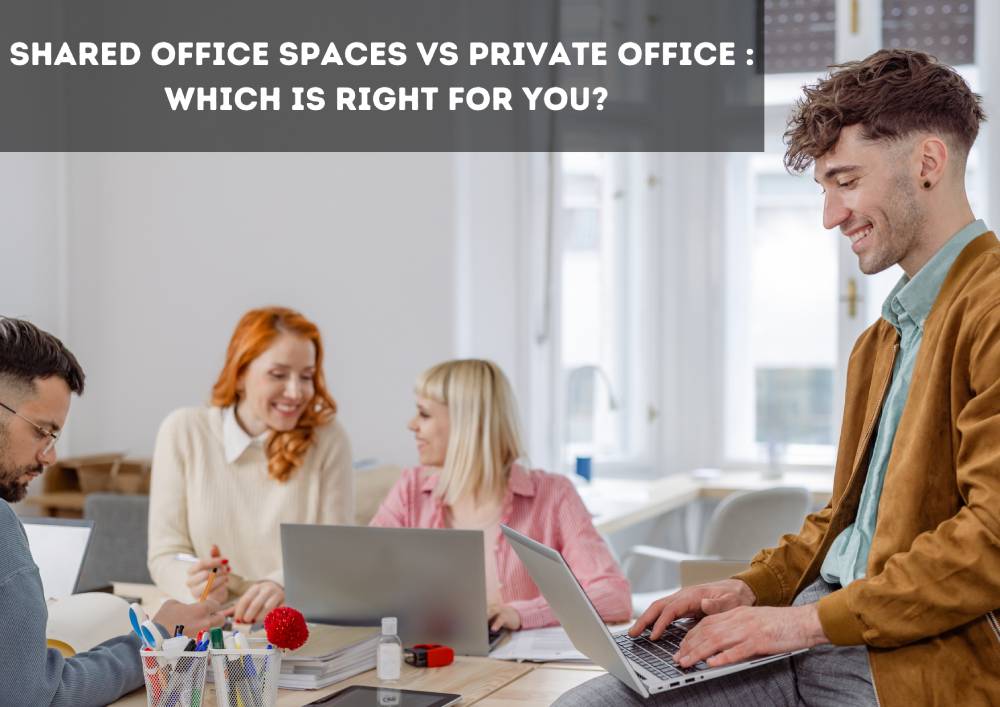

Shared Space vs. Private Office: Which Option Suits Your Business?

The workplace landscape is evolving, and businesses now have access to a wider range of office solutions than ever before. Two popular choices are shared coworking spaces and private offices. Each has its own benefits, challenges, and suitability depending on various factors such as your team’s size, operational needs, and future goals.

This article delves into the advantages and limitations of these two options, offering a comprehensive analysis to help you determine the right workspace for your business.

1. Cost Considerations

    Shared Spaces

    Shared spaces often appeal to businesses operating on tight budgets. Renting hot desks or dedicated desks on flexible terms eliminates the need for large upfront investments. Amenities like high-speed internet, printing facilities, and meeting rooms are shared among members, lowering operational expenses. For startups and freelancers, these cost savings can be pivotal during the initial stages of business growth.

    Example: A freelance graphic designer can rent a hot desk for a few hours daily, reducing unnecessary costs compared to leasing a full office space.

    Private Offices

    On the other hand, private offices come with higher costs. Long-term leases often include responsibilities like furnishing, maintenance, and utility payments. While coworking spaces do offer private offices, they remain pricier than shared alternatives. However, the investment is justified for companies prioritizing exclusivity, such as law firms or businesses dealing with sensitive client information.

    Example: A mid-sized consultancy handling client data might find the cost of a private office worthwhile to ensure privacy and confidentiality.

    Which to Choose?

    If budget flexibility is a priority, shared spaces are an economical solution. However, businesses with the financial resources to invest in dedicated spaces may benefit from the control offered by private offices.

    2. Privacy and Security

      Shared Spaces

      Open layouts in shared spaces encourage collaboration but can compromise privacy. Although many coworking facilities have private meeting rooms and soundproof phone booths, they might not always be accessible during peak hours. For industries like healthcare, legal services, or fintech, this could pose risks to client confidentiality.

      Private Offices

      Private offices ensure a controlled environment, safeguarding sensitive data and communications. From encrypted Wi-Fi networks to secure storage solutions, private offices offer unparalleled peace of mind.

      Example: A tech startup managing intellectual property can securely discuss and develop ideas in a private office without the fear of eavesdropping.

      Which to Choose?

      For industries dealing with sensitive or regulated information, private offices are non-negotiable. Businesses with fewer security concerns can consider shared spaces with designated privacy zones.

      3. Collaboration and Networking

        Shared Spaces

        Shared coworking spaces thrive on community interaction. Regular networking events, workshops, and casual conversations in shared lounges spark innovation and collaboration. This environment is particularly useful for entrepreneurs, freelancers, and startups looking to grow their professional networks.

        Example: A freelance marketer may meet a web developer in a coworking space, leading to a lucrative collaboration.

        Private Offices

        While private offices reduce spontaneous networking opportunities, hybrid setups—private offices within coworking hubs—bridge the gap. Teams can enjoy privacy while participating in community events for networking.

        Which to Choose?

        For businesses where professional networking is integral, shared spaces provide unparalleled opportunities. However, teams needing focus and minimal external interactions may prefer private offices.

        4. Flexibility and Scalability

          Shared Spaces

          Coworking spaces excel in adaptability. Businesses can adjust desk usage based on team size or workflow changes without being locked into rigid leases. For remote teams or seasonal businesses, this flexibility reduces unnecessary expenses.

          Example: A digital marketing agency with a fluctuating workload can scale up during busy months and downsize during off-seasons in a shared coworking space.

          Private Offices

          Private offices, traditionally bound by long-term leases, are less flexible. However, modern coworking providers often accommodate growth, allowing businesses to expand into larger private spaces within the same facility.

          Which to Choose?

          Startups and businesses with uncertain growth trajectories benefit from shared spaces. Established companies seeking stability may find private offices a better fit.

          5. Amenities and Work Environment

            Shared Spaces

            Coworking spaces frequently come with thoughtfully designed amenities, including ergonomic furniture, wellness areas, stocked pantries, and recreational zones. Such facilities foster productivity and enhance work-life balance. These vibrant environments are ideal for creative teams needing an inspiring atmosphere.

            Private Offices

            Private offices offer customization opportunities that shared spaces cannot. Businesses can design layouts that align with their brand, install bespoke furniture, and create an environment tailored to team preferences.

            Example: An interior design firm might opt for a private office to showcase its unique style and creativity.

            Which to Choose?

            For convenience and affordability, shared spaces deliver ready-to-use amenities. For a branded, customized work environment, private offices provide the necessary autonomy.

            6. Brand Image and Client Impression

              Shared Spaces

              Coworking spaces can enhance the brand image of creative or tech-oriented startups, projecting dynamism and innovation. Professional meeting rooms within these facilities add a touch of sophistication to client interactions. However, frequent changes in location or a lack of exclusivity might deter industries that value stability.

              Private Offices

              Private offices project a polished and professional image, instilling confidence in clients. Customization options enable businesses to reflect their values, culture, and industry standards through tailored decor and layouts.

              Which to Choose?

              For startups seeking a modern, innovative image, shared spaces are a strategic choice. For companies prioritizing tradition and professionalism, private offices are the clear winner.

              Conclusion: Tailoring the Right Choice for Your Business

              Deciding between a shared space and a private office requires evaluating your operational priorities, budget, and team dynamics. Here’s a quick recap to guide your decision:

              Opt for Shared Spaces if:

              You need cost-effective solutions, thrive on networking, and appreciate flexibility. This choice is ideal for startups, freelancers, and remote-first businesses.

              Opt for Private Offices if:

              You handle sensitive data, require a branded workspace, and prioritize exclusivity. Industries like finance, law, and IT often benefit from private offices.

              Increasingly, hybrid options blend the benefits of both solutions. For example, businesses can rent private offices within coworking hubs, combining privacy with networking opportunities. By assessing your specific needs and long-term goals, you can select a workspace that optimally supports your business growth.

              Hot Desking: A Budget-Friendly Solution for Startups and Small Businesses

              In today’s dynamic business landscape, startups and small businesses face the challenge of balancing growth ambitions with limited resources. As these companies look for ways to keep expenses down while maintaining flexibility, hot desking has emerged as a favored workspace model. Offering a unique blend of cost-efficiency and adaptability, hot desking enables businesses to remain agile and responsive to the demands of a rapidly changing market. Beyond just cost savings, hot desking offers a collaborative and vibrant work environment that fosters innovation, networking, and employee satisfaction. Below, we delve into why hot desking is an ideal choice for small enterprises and startups looking to stay competitive.

              Lower Overhead Costs

              A significant advantage of hot desking for startups and small businesses is its ability to dramatically reduce real estate expenses. Traditional office leases, especially in prime urban locations, are often prohibitive, with long-term commitments that may not suit fast-growing or fluctuating teams. In contrast, hot desking, commonly available in coworking spaces, allows businesses to pay for only the desks they need on a flexible, adaptable basis. This arrangement means that companies can easily scale up or down without incurring the cost of unused space during lean periods. By opting for daily, weekly, or monthly desk rentals, startups can redirect savings toward crucial growth activities such as marketing, product development, or hiring talented team members, thus supporting their business objectives more strategically.

              Coworking Space in Chennai

              Flexibility and Scalability

              Hot desking provides startups and small businesses with a highly adaptable workspace that scales seamlessly with their evolving needs. Expanding in a traditional office setting can be both costly and disruptive; hot desking, on the other hand, allows companies to increase or decrease their desk space without the restrictions of long-term leases. This flexibility is particularly beneficial for high-growth startups that may need to expand their workspace quickly to accommodate new team members. Additionally, if a company decides to downsize or shift to a more remote-friendly model, hot desking offers the flexibility to reduce desk bookings without the burden of underutilized office space, allowing for quick adjustments that align with business strategies.

              Access to High-Quality Amenities

              Hot desking setups frequently offer access to top-tier amenities that would otherwise be costly for small businesses to provide on their own. These amenities typically include high-speed internet, conference rooms, printing facilities, and fully equipped kitchens. Many coworking spaces also provide added benefits such as wellness amenities (like fitness centers and meditation rooms), organized social events, and networking opportunities. Access to these resources enables startups to create a professional, engaging workspace that attracts talent and enhances productivity, without the significant capital outlay associated with building out an office infrastructure.

              Promotes Collaboration and Networking

              One of the standout benefits of hot desking in coworking environments is the potential for spontaneous collaboration and networking. Unlike traditional offices, coworking spaces bring together professionals from a wide array of fields, offering startups a chance to connect with like-minded individuals and potential collaborators. These casual interactions can spark new ideas, business partnerships, and even client referrals. Moreover, coworking spaces frequently host events, workshops, and seminars that help team members build valuable skills and expand their professional networks, contributing to the startup’s overall growth and development.

              Boosts Employee Satisfaction and Retention

              Modern employees value flexibility, autonomy, and variety in their work environment. Hot desking provides employees with the freedom to choose different seating arrangements, adapting the workspace to their individual needs and preferences. For instance, an employee can select a quiet corner for focused tasks one day and a collaborative zone the next to work closely with colleagues. This adaptability can improve job satisfaction and has become an essential factor in talent retention, particularly for startups in competitive industries. Additionally, coworking spaces often foster a vibrant and innovative atmosphere that can be more appealing to employees compared to traditional, rigid office setups. A stimulating environment with modern amenities can positively impact morale and foster a culture of productivity and creativity.

              Enhanced Productivity with Diverse Environments

              Switching between different work areas can positively influence productivity and creativity. Research indicates that a change in environment stimulates new ideas and prevents the stagnation that can occur in static office settings. Hot desking allows employees to choose the most suitable workspace based on the nature of their tasks, whether that’s a quiet area for deep focus, a collaborative zone for brainstorming, or a phone booth for confidential conversations. This freedom to choose promotes a more dynamic and responsive work culture, empowering employees to perform at their best throughout the day.

              Efficient Space Utilization

              One of the core benefits of hot desking is its efficient use of space, addressing the common issue of underutilized desks in traditional office setups. With hot desking, multiple employees can share desks on different days, maximizing resource use and reducing costs associated with idle workspace. For startups, this translates to substantial savings and ensures that each square foot of office space contributes directly to business productivity. Additionally, this model supports environmental sustainability by lowering the energy and resource footprint associated with maintaining sparsely occupied office space.

              Less Administrative and Maintenance Overhead

              Managing a traditional office involves numerous administrative and maintenance responsibilities, from cleaning services to equipment repairs and utility management. By opting for hot desking in a coworking space, startups can offload these responsibilities to the coworking provider. This arrangement enables business owners to focus on strategic objectives without being bogged down by office logistics. Coworking spaces typically offer support services, including on-site maintenance, IT support, and administrative assistance, all of which are invaluable to small businesses aiming to streamline their operations and maximize productivity.

              Supports Hybrid and Remote Work Models

              As remote work continues to rise, hot desking offers an ideal solution for businesses adopting hybrid work models. When employees split their time between working from home and the office, traditional fixed desks often go unused on remote days, leading to wasted space and expense. Hot desking solves this problem by allowing businesses to flexibly allocate desks based on actual in-office attendance, optimizing the workspace without the unnecessary cost of unused desks. This model supports startups with remote or partially remote teams, providing reliable, flexible workspaces that seamlessly integrate with their work-from-home policies.

              Access to a Startup-Focused Community

              Many coworking spaces are designed specifically to cater to startups, creating a supportive community of entrepreneurs and early-stage businesses. This kind of environment not only provides mentorship and industry insights but also opens doors to networking and investment opportunities that are particularly valuable for new companies. Some coworking spaces even offer accelerator programs, pitch competitions, and exclusive networking events with potential investors, helping startups gain exposure and propel their growth. By participating in a startup-friendly ecosystem, small businesses can tap into a wealth of knowledge and resources, paving the way for collaborative growth and development.

              Conclusion: Hot Desking is a Smart Choice for Startups and Small Businesses

              In an era where flexibility and cost-efficiency are critical, hot desking stands out as an excellent solution for startups and small businesses looking to thrive. With lower overhead, access to essential amenities, and an environment that encourages collaboration, hot desking offers a practical and dynamic workspace option that supports growth without locking businesses into costly long-term leases. For startups navigating competitive markets, hot desking delivers a host of advantages—from enabling scalability to fostering networking and innovation—all while reducing administrative burdens. By adopting a hot desking approach, small businesses can create an engaging and professional workspace that adapts to their evolving needs, supporting long-term success and resilience in a rapidly changing business landscape.

              Hot Desking vs. Dedicated Desks: Which is Right for You?

              When choosing between hot desking and a dedicated desk, it’s important to consider your work style, productivity needs, and personal preferences. Here’s a detailed comparison to help you decide which setup best fits your work routine.

              1. What is Hot Desking?

              Hot desking is a flexible office arrangement where employees or members select an available workspace each day on a first-come, first-served basis. Unlike traditional setups where each person has an assigned desk, hot desking allows you to choose a different spot every day based on your work needs.

              This setup is especially popular in coworking spaces, where it encourages interaction and collaboration among freelancers, remote workers, and employees from various organizations. The flexibility lets professionals move around depending on their tasks and mood, offering a refreshing alternative to a fixed desk.

              Pros of Hot Desking

              • Cost Efficiency: Companies can reduce real estate expenses since fewer dedicated spaces are needed, particularly for teams that work remotely or part-time. Hot desking is often more affordable in coworking environments, where individuals work at different times and require fewer dedicated resources.
              • Increased Collaboration: Hot desking can break down physical barriers, fostering spontaneous collaboration and networking opportunities by seating different people near each other each day.
              • Variety: The ability to choose a different workspace daily can boost creativity. For instance, you might pick a quiet spot one day and a more social area the next, depending on your mood.

              Cons of Hot Desking

              • Lack of Stability: Moving workspaces daily can feel unsettling for those who prefer a familiar spot where they can keep personal items and customize their setup.
              • Hygiene Concerns: Shared desks can be harder to keep clean, which may be a concern, especially during cold and flu season.
              • Privacy Issues: Hot desking doesn’t guarantee privacy, which can be a drawback for roles that require confidential discussions or secure materials.

              Coworking Space in Chennai

              2. What is a Dedicated Desk?

              A dedicated desk is a personal workspace assigned to a specific individual, whether in a traditional office or a coworking space. This setup allows people to keep their belongings, arrange equipment to their liking, and work in the same spot each day.

              Dedicated desks are often preferred by professionals who benefit from consistency and require a stable workspace. In coworking spaces, these desks offer a sense of ownership while still providing access to shared resources like meeting rooms and lounges.

              Pros of a Dedicated Desk

              • Personalization: A dedicated desk allows for customization, such as adding ergonomic chairs, monitors, and personal items. This continuity can make the workspace feel more comfortable and conducive to productivity.
              • Increased Productivity: Knowing where you’ll sit each day removes the hassle of finding an open spot, which can help some professionals focus better, especially during deep work.
              • Enhanced Security and Privacy: A designated space can provide better security for personal belongings and confidential materials, making it ideal for professionals handling sensitive information.

              Cons of a Dedicated Desk

              • Higher Costs: Dedicated desks are more expensive, as they can’t be shared when the primary user is absent. For companies, the cost of renting multiple dedicated desks can add up quickly.
              • Less Flexibility: Dedicated desks don’t offer the same variety as hot desking. If you prefer a dynamic environment, sitting at the same desk each day might feel limiting.

              3. Choosing Between Hot Desking and Dedicated Desks

              The choice depends on your work style, role, and need for flexibility. Here are some scenarios to consider:

              Hot Desking Might Be Right For You If:

              • You’re a freelancer, remote worker, or digital nomad who values flexibility over a permanent spot.
              • You enjoy networking and meeting new people, as hot desking can encourage spontaneous interactions.
              • You work irregular hours and only need a workspace occasionally.

              A Dedicated Desk Might Be Better If:

              • Your role involves handling sensitive information or long-term projects that benefit from an organized, consistent workspace.
              • You prefer stability and enjoy a personalized, ergonomic setup.
              • You need a secure location for personal belongings and work materials.

              4. Hybrid Approaches: Balancing Flexibility and Stability

              Some coworking spaces offer hybrid options, such as designated zones within hot-desking areas or memberships that include both dedicated and flexible desks. For instance, you could have a primary desk but access hot desks when you want a change of scenery.

              Another option is desk-booking software that allows employees to reserve specific desks, offering a middle ground between stability and flexibility.

              5. Impact of Company Culture and Remote Work Trends

              With the rise of remote work, many companies are adopting hybrid work models. Hot desking is particularly appealing in this context, as it supports a flexible “work anywhere” culture that blends home and office work. Many organizations find that hot desking aligns well with remote work policies, allowing flexible access to office resources without requiring daily on-site attendance.

              Finding Your Ideal Workspace Solution

              Both hot desking and dedicated desks have unique advantages and challenges, and the best choice depends on individual preferences, work needs, and company policies. Hot desking suits flexible, social environments and cost-conscious setups, making it popular in coworking spaces. In contrast, dedicated desks offer stability, privacy, and security, appealing to those who prefer a consistent workspace.

              Ultimately, your choice should reflect your productivity style. If a structured, personalized workspace helps you focus, a dedicated desk may be worth the investment. If you thrive on variety, collaboration, and flexibility, hot desking could provide an engaging, dynamic work experience.

              Top Amenities to Look for When Hot Desking in a Coworking Space

              Hot desking in a coworking space offers flexibility and convenience for professionals who thrive in dynamic work environments. However, the right amenities can significantly enhance comfort and productivity. Here’s a detailed overview of the key amenities that elevate the hot desking experience in coworking spaces.

              1. High-Speed, Reliable Wi-Fi

              Reliable, fast Wi-Fi is essential for anyone using a coworking space. When selecting a coworking space, look for those that invest in high-speed internet with a robust infrastructure to support multiple users without interruptions. Some spaces even offer redundant connections or dedicated Wi-Fi options (often for an additional fee) for users with higher bandwidth needs.

              2. Comfortable Seating and Ergonomic Workstations

              Comfort is essential for productivity, particularly in hot desking environments where members switch desks frequently. Ergonomic chairs and adjustable desks can prevent discomfort during long work sessions. The best coworking spaces offer a range of ergonomic seating options, height-adjustable desks, and even sit-stand desks to support physical well-being and comfort.

              Coworking Space in Chennai

              3. Quiet Zones and Phone Booths

              In open coworking spaces, noise can be a distraction. Quiet zones and phone booths provide essential refuge for hot deskers needing a quiet area to work or a private space for calls and virtual meetings. Phone booths are typically soundproof, allowing for confidential discussions, while quiet zones offer a distraction-free environment ideal for focused tasks.

              4. Meeting Rooms and Conference Facilities

              Meeting rooms are crucial for professionals who need a private space for client or team meetings. Look for coworking spaces with well-equipped conference rooms that feature projectors, video conferencing setups, and whiteboards. Flexible booking options, from hourly to daily rentals, make it easy for hot deskers to access these spaces as needed.

              5. Locker and Storage Solutions

              Without a dedicated desk, hot deskers may struggle to store personal items. Lockers or storage options in coworking spaces help secure belongings, offering convenience and peace of mind for freelancers or part-time workers who may not visit daily but still need a place for their essentials.

              6. Desk Booking System

              A desk booking system allows members to reserve a desk in advance, reducing the uncertainty of finding an available spot. Many coworking spaces now offer apps or software that let members view available desks, pick their preferred area, and reserve it ahead of time, bringing order to hot desking and avoiding the rush for spaces.

              7. Access to Communal Kitchen and Refreshments

              A communal kitchen with coffee machines, refrigerators, and microwaves is a valued amenity in coworking spaces. Basic refreshments like coffee and tea foster a welcoming atmosphere, while some spaces go further, offering snacks, kombucha, or catered lunches, enhancing the community feel and making the space more enjoyable.

              8. Printing and Scanning Facilities

              Even in the digital age, access to printing, scanning, and copying is often necessary. Many coworking spaces provide print stations where members can easily access high-quality printers and scanners for paperwork, presentations, and other hard-copy needs. These services are often included in membership or available for a small fee.

              9. Wellness Amenities

              To support member well-being, many coworking spaces now offer wellness amenities such as yoga or meditation rooms, on-site gyms, and wellness programs. These spaces may also host stress management workshops or provide relaxation areas, supporting a healthy work-life balance for hot deskers.

              10. Networking Events and Community Activities

              Networking events and community activities are a cornerstone of the coworking experience. Regular events like workshops, seminars, or social gatherings encourage members to connect, collaborate, and build relationships. These gatherings are particularly valuable for freelancers and remote workers, offering opportunities to expand their networks and engage with the community.

              11. 24/7 Access and Security

              Flexible work hours are vital for many professionals, particularly freelancers or those collaborating across time zones. Some coworking spaces offer 24/7 access, allowing members to work at their convenience. Spaces with around-the-clock access typically include security measures like secure entry systems and surveillance to ensure members’ safety.

              12. Tech Support and IT Infrastructure

              Access to reliable tech support can be a huge advantage in coworking spaces. Some provide on-site IT support to assist with connectivity issues, equipment setup, or software troubleshooting, ensuring minimal disruption. Advanced IT infrastructure, such as VoIP systems or backup power, can also benefit professionals with specific technical needs.

              13. Natural Light and Ambiance

              The ambiance of a coworking space, including natural light, temperature control, and decor, impacts mood and productivity. Spaces designed with biophilic elements—like plants, natural materials, and open layouts—create a pleasant atmosphere that enhances well-being and satisfaction among hot deskers.

              14. Private Nooks and Focus Pods

              For those needing quiet, distraction-free spaces, private nooks and focus pods provide a valuable alternative to open seating. These smaller, individual areas are ideal for focused tasks or short breaks, giving members options for both collaboration and solitude depending on their needs.

              15. Parking and Accessibility

              Parking and accessibility are essential, especially in busy urban areas. Many coworking spaces offer on-site parking or discounts with nearby garages, while others ensure accessibility with elevators, ramps, and proximity to public transit, making the space convenient and welcoming for all.

              Choosing a coworking space with the right amenities can transform your hot desking experience. Prioritize a balance of essential features like high-speed Wi-Fi and ergonomic seating, along with community-oriented amenities like networking events and wellness programs. The best coworking spaces provide flexibility without sacrificing comfort or functionality, allowing you to work productively, enjoy a dynamic environment, and connect meaningfully with others in the community.