
Boosting Productivity: The Impact of Co-Working Environments

In the landscape of modern work, productivity is a paramount goal for professionals and organizations alike. As traditional office structures undergo transformation, co-working environments have emerged as catalysts for heightened productivity. This exploration delves into the multifaceted ways in which coworking spaces positively impact productivity, from fostering a collaborative atmosphere to leveraging cutting-edge technology and promoting a holistic work-life balance. 

1. Fostering Collaboration and Innovation: 

Coworking spaces are inherently designed to foster collaboration and innovation. The open-plan layouts, communal areas, and shared workspaces create an environment where professionals from diverse backgrounds and industries can interact and exchange ideas. This collaborative atmosphere transcends the boundaries of traditional offices, sparking a dynamic synergy that can lead to creative breakthroughs and enhanced productivity.

The serendipitous interactions that occur in coworking spaces often give rise to new perspectives and solutions. Whether it’s an impromptu discussion in a communal area or a collaborative project facilitated by the space, coworking environments act as incubators for innovation, inspiring professionals to think beyond conventional boundaries. 

2. Networking Opportunities and Knowledge Sharing: 

One of the unique aspects of coworking spaces is the networking opportunities they provide. Professionals working in these environments have the chance to connect with individuals from various industries, fostering a rich ecosystem of diverse talents. Networking events, workshops, and collaborative initiatives organized by coworking spaces create avenues for knowledge sharing and skill development. 

These interactions not only contribute to personal and professional growth but also enhance productivity by allowing individuals to tap into a broader pool of expertise. The collective knowledge within a coworking community becomes a valuable resource that can be leveraged to overcome challenges and propel projects forward. 

3. Design for Flexibility and Adaptability: 

The design philosophy of coworking spaces emphasizes flexibility and adaptability. Unlike traditional offices with fixed cubicles and rigid layouts, coworking environments are characterized by modular furniture, movable partitions, and versatile workspaces. This flexibility enables professionals to choose the setting that aligns with their specific tasks and preferences. 

Individuals can seamlessly transition from collaborative areas for team meetings to quiet zones for focused work. The adaptability of co-working spaces accommodates the diverse needs of professionals throughout the day, contributing to a work environment that enhances productivity by providing the right setting for each type of task. 

4. Integration of Cutting-Edge Technology: 

Coworking spaces leverage cutting-edge technology to optimize productivity. High-speed internet, video conferencing facilities, and smart building management systems are standard features. These technological amenities ensure a seamless and efficient work experience, allowing professionals to stay connected, collaborate virtually, and access the latest tools and resources.

Automated booking systems and digital collaboration tools further enhance productivity by streamlining administrative tasks and facilitating efficient communication. The integration of technology is a testament to coworking spaces’ commitment to providing a modern and tech-savvy work environment that aligns with the needs of the contemporary workforce. 

5. Cultivating a Professional Community: 

Beyond shared workspaces, coworking environments cultivate a sense of community among their members. This sense of belonging contributes to increased motivation and accountability, positively impacting productivity. Professionals in coworking spaces often view themselves as part of a larger community, sharing common goals, challenges, and successes. 

The supportive ecosystem created within coworking spaces fosters a collaborative spirit where members are willing to assist each other. Whether through knowledge sharing, mentorship, or collaborative projects, the coworking community becomes a valuable asset that enhances individual and collective productivity. 

6. Encouraging Work-Life Balance: 

Work-life balance is integral to sustained productivity, and coworking spaces are attuned to this need. Many coworking environments incorporate amenities that contribute to the well-being of their members, such as fitness facilities, wellness programs, and relaxation zones. These offerings enable professionals to take breaks, recharge, and maintain a healthy balance between work and personal life. 

The emphasis on work-life balance goes beyond physical amenities; it is embedded in the culture of coworking spaces. The supportive and flexible nature of these environments empowers individuals to structure their work in a way that aligns with their personal lives, fostering a healthier and more sustainable approach to productivity. 

7. Reduction of Commute Stress: 

The elimination or reduction of daily commutes is a significant benefit of coworking spaces that positively impacts productivity. Professionals no longer face the stress and time constraints associated with commuting to a traditional office. This saved time can be redirected towards work-related tasks, contributing to increased focus and efficiency.

Moreover, the reduction in commute-related stress leads to improved overall well-being, positively influencing the mental state and energy levels of individuals. Coworking spaces, often strategically located in accessible areas, offer a practical solution to the challenges posed by lengthy commutes. 

8. Providing a Professional Atmosphere: 

Coworking spaces offer a professional atmosphere that is conducive to productivity. The well-designed interiors, modern amenities, and a curated professional community create an environment that inspires individuals to be their most productive selves. The absence of distractions commonly found in home environments and the structured yet flexible nature of coworking spaces contribute to a conducive atmosphere for focused work. 

Professionals in coworking spaces often report an increased sense of discipline and motivation, facilitated by the professional ambiance and the presence of like-minded individuals. This shared commitment to productivity creates a positive peer pressure that motivates individuals to stay on track with their work goals. 

9. Access to Specialized Resources: 

Coworking spaces often provide access to specialized resources that can significantly boost productivity. From state-of-the-art equipment to industry-specific tools and software, these spaces are equipped to support a wide range of professional endeavors. This access to resources eliminates barriers that individuals might face when working from home or in less-equipped environments. 

Professionals in coworking spaces can leverage these resources to enhance the quality and efficiency of their work. Whether it’s advanced technology, specialized facilities, or collaborative platforms, coworking spaces serve as hubs that empower individuals to reach their full potential. 

10. Flexibility in Membership Options: 

The flexibility inherent in coworking spaces extends to membership options, allowing professionals to choose arrangements that align with their specific needs. Whether it’s a hot desk for occasional use, a dedicated desk for consistent access, or a private office for teams, coworking spaces cater to a variety of preferences.

This flexibility in membership options contributes to increased productivity by providing individuals with the autonomy to tailor their workspace according to their work style and requirements. The ability to choose the most suitable membership option enhances the overall experience within a coworking environment. 

Coworking Space in Chennai

Coworking environments in chennai have emerged as transformative spaces that go beyond providing physical workspaces. Their impact on productivity is multifaceted, encompassing collaborative culture, technological integration, community building, flexibility, and a holistic approach to well-being. As professionals continue to seek environments that align with the dynamic nature of work, coworking spaces stand as integral partners in fostering an atmosphere that not only boosts productivity but also nurtures creativity, innovation, and a sense of professional community. The evolution of coworking spaces reflects a paradigm shift in how individuals and organizations approach work, emphasizing collaboration, flexibility, and a holistic approach to productivity in the contemporary professional landscape.
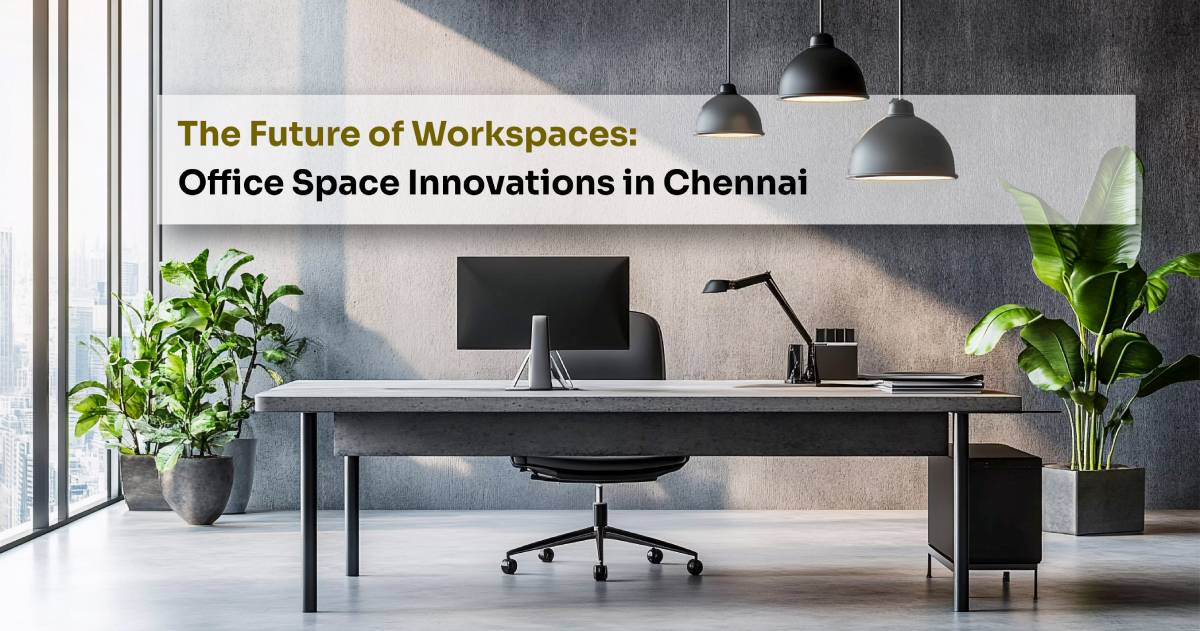
The Future of Workspaces: Office Space Innovations in Chennai

The future of workspaces is rapidly evolving, driven by technological advancements, changing work habits, and the need for flexible, collaborative environments. Chennai, a thriving metropolitan city, is no exception to these trends. Here are some office space innovations that are shaping the future of workspaces in Chennai:

1. Coworking Spaces: Coworking spaces continue to be a major trend in Chennai’s office landscape. These flexible and collaborative environments cater to freelancers, startups, and established companies looking for dynamic workspaces that foster creativity, networking, and productivity.

2. Hybrid Work Models: The pandemic has accelerated the adoption of hybrid work models, where employees split their time between remote work and the office. Chennai’s future workspaces will need to accommodate this shift, providing spaces that support both in-person collaboration and remote work technologies.

3. Smart Offices: Technology is playing a significant role in shaping workspaces. Smart offices in Chennai will integrate IoT devices, sensors, and automation to enhance efficiency, energy management, and employee experience. This includes features like smart lighting, climate control, and occupancy sensors.

4. Wellness and Well-being: The well-being of employees is a top priority. Future workspaces in Chennai are likely to incorporate elements that promote physical and mental wellness, such as ergonomic furniture, wellness rooms, fitness facilities, and green spaces.

5. Sustainable Design: Chennai’s future workspaces will emphasize sustainability. Green building practices, energy-efficient technologies, and eco-friendly materials will be integrated into office designs to reduce environmental impact.

6. Flexibility in Layout: Workspaces in Chennai will offer flexible layouts that can be easily reconfigured to suit various tasks and collaboration styles. Modular furniture, movable partitions, and adaptable designs will allow for quick adjustments.

7. Virtual and Augmented Reality: These technologies will transform the way employees collaborate and interact with their workspace. Virtual meetings, remote collaboration, and augmented reality applications will be integrated into the office experience.

8. Focus on Collaboration: Future workspaces will prioritize spaces that facilitate collaboration. Chennai’s offices will feature open collaborative zones, brainstorming areas, and designated project rooms to encourage teamwork and innovation.

9. Personalized Workspaces: Offices will provide options for employees to personalize their workstations. This includes adjustable desks, personalized lighting, and technology setups that cater to individual preferences and needs.

10. Biophilic Design: Connecting with nature within the workspace will gain importance. Chennai’s offices may incorporate biophilic design elements like natural light, indoor plants, and nature-inspired aesthetics to create a soothing and productive environment.

11. Digital Infrastructure: High-speed internet connectivity, robust IT infrastructure, and seamless integration of technology will be essential components of future workspaces in Chennai to support remote work, virtual meetings, and collaborative tools.

12. Social Spaces: Recognizing the importance of social interactions, Chennai’s workspaces will have dedicated spaces for relaxation, socialization, and informal meetings to build a sense of community among employees.

Coworking Space in Chennai

As Chennai’s workforce evolves and embraces new ways of working, the future of workspaces in the city will be shaped by these innovations. The focus will be on creating flexible, technologically advanced, sustainable, and people-centric environments that cater to the diverse needs of modern professionals.

10 Factors for Your Ideal Coworking Space Selection

Selecting the ideal coworking space requires careful consideration of various factors to ensure that it aligns with your business’s needs and enhances your work experience. Here are 10 essential factors to keep in mind when choosing a coworking space:

1. Location: Choose a coworking space that is conveniently located for you and your team members. Consider factors such as accessibility, proximity to public transportation, and its compatibility with your daily routine.

2. Amenities: Evaluate the amenities offered by the coworking space. Look for features like high-speed internet, meeting rooms, phone booths, printing facilities, kitchen areas, and ergonomic furniture. These perks help to create a productive and pleasant work environment.

3. Community and Networking: The sense of community and opportunities for networking can greatly enhance your coworking experience. Research whether the space hosts events, workshops, and networking sessions that can help you connect with fellow professionals.

4. Cost and Flexibility: Compare pricing plans and understand what is included in each package. Assess whether the cost aligns with your budget and consider the flexibility to upgrade or downgrade as your needs change over time.

5. Workspace Design: The design and layout of the coworking space play a crucial role in your overall experience. Choose a space that suits your work style, whether you prefer an open-plan area, private offices, or a combination of both.

6. Noise Levels: Consider the noise levels in the coworking space. Some people thrive in a bustling, collaborative environment, while others require quieter areas for focused work. Make sure the space offers options that suit your preferences.

7. Security: Security is paramount. Ensure the coworking space has proper access controls, surveillance systems, and secure storage options to keep your belongings and sensitive information safe.

8. Brand and Culture: Assess whether the coworking space’s brand and culture align with your business values. Being in an environment that resonates with your company’s identity can positively impact your work and interactions.

9. Additional Services: Beyond basic amenities, check if the coworking space offers additional services such as business support, mentorship, legal advice, and administrative assistance. These services can add significant value to your membership.

10. Trial Period: Many coworking spaces offer trial periods or day passes. Take advantage of these opportunities to experience the space first-hand before committing to a long-term arrangement. This allows you to gauge if the atmosphere, facilities, and community meet your expectations.

Bonus Tip: Future Growth: Anticipate your business’s future growth. Select a coworking space that can accommodate your expansion needs. Having the ability to add more team members without needing to change your workspace can save you time and effort.

Coworking Space in Chennai

In conclusion, selecting the ideal coworking space requires a thorough assessment of location, amenities, community, flexibility, design, security, and more. Prioritize your needs and preferences, and consider how each factor contributes to your productivity, well-being, and overall work experience. Taking the time to find the perfect fit will ensure that you make the most of your coworking arrangement.

Collaborative Zones Enhance Workplace Culture

Collaborative zones have emerged as a powerful tool to enhance workplace culture in modern businesses. As traditional office dynamics evolve and remote work becomes more prevalent, creating spaces that foster collaboration, innovation, and a sense of community has become essential. Collaborative zones go beyond mere physical layouts; they reflect a mindset shift in how companies approach work and interaction. Here’s why these zones are crucial for cultivating a positive workplace culture:

1. Fostering Innovation: Collaborative zones provide environments where employees from different departments can interact, exchange ideas, and brainstorm. These interactions often lead to cross-functional innovation, as individuals with diverse skill sets and perspectives contribute to solving problems and generating creative solutions.

2. Encouraging Open Communication: These zones break down hierarchical barriers and encourage open dialogue among employees at all levels. When team members feel comfortable sharing their ideas and opinions, it creates a culture of trust and psychological safety, where everyone’s voice is valued.

3. Strengthening Team Bonds: Collaborative zones offer opportunities for colleagues to engage on a personal level, beyond their immediate projects. This can lead to stronger team relationships, improved collaboration, and a more cohesive work environment.

4. Supporting Flexibility and Remote Work: In the age of flexible work arrangements, collaborative zones provide a space for employees who come into the office occasionally or work remotely most of the time. When they do visit the office, they have a dedicated area to connect with colleagues, attend meetings, and collaborate effectively.

5. Nurturing Learning and Development: Collaborative zones often host workshops, presentations, and training sessions. This encourages continuous learning and skills development, contributing to a culture of personal and professional growth.

6. Boosting Employee Engagement: A workplace that actively promotes collaboration and engagement is more likely to have motivated and committed employees. Collaborative zones facilitate meaningful interactions, which in turn increase overall job satisfaction.

7. Promoting Well-being: Many collaborative zones are designed with elements that promote well-being, such as natural lighting, comfortable furniture, and spaces for relaxation. A well-designed space can positively influence employees’ physical and mental health, contributing to a more positive workplace culture.

8. Accommodating Different Work Styles: Collaborative zones offer various settings, from open seating to private meeting rooms. This caters to different work preferences, ensuring that employees can choose the environment that suits their tasks and concentration levels.

9. Showcasing Company Values: By investing in collaborative zones, companies demonstrate their commitment to innovation, teamwork, and employee well-being. This aligns with a company’s values and mission, which can positively impact the perception of both employees and external stakeholders.

10. Attracting and Retaining Talent: A vibrant workplace culture that includes collaborative zones can be a significant factor in attracting top talent and retaining existing employees. Job seekers and professionals value environments that encourage growth, interaction, and creativity.

Office Space Rent in Chennai

Incorporating collaborative zones into your workplace requires thoughtful design, strategic implementation, and a commitment to promoting a culture of collaboration. By recognizing the value of these zones in enhancing workplace culture, businesses can create spaces that inspire employees, drive innovation, and ultimately contribute to their overall success.

Choosing A Virtual Office Space for Your Business

Selecting the right virtual office space for your business is a pivotal decision that can impact your company’s image, operations, and success. In today’s dynamic business landscape, where remote work and flexibility are becoming increasingly vital, a virtual office space offers a plethora of benefits. Here are key considerations to ensure you make an informed choice.

Firstly, assess your business needs. Understand the services you require from a virtual office space. These might include a prestigious business address, mail handling, phone answering services, and access to meeting rooms. Prioritize your requirements to avoid overspending on unnecessary features.

Location is paramount. Opt for a virtual office situated in a prime business district or an area that aligns with your industry. A prestigious address enhances your brand’s credibility and can attract potential clients or partners. Additionally, consider the convenience for your employees, ensuring the location is accessible and well-connected.

Professionalism and branding matter. The image you project matters in business. Choose a virtual office provider that offers a professional receptionist service. A friendly and efficient team can manage your calls and handle your mail professionally, giving clients a positive impression and ensuring that important communications are promptly addressed.

Evaluate the technology and infrastructure. A robust virtual office space should provide advanced technology, including reliable internet connectivity, video conferencing facilities, and secure data storage. This infrastructure ensures seamless communication and collaboration, crucial for remote work arrangements.

Flexibility and scalability are key. Business needs evolve, so choose a virtual office space that offers flexible terms. This allows you to adjust services as your business grows or changes. Scalability ensures that you’re only paying for what you require.

Access to meeting spaces is essential. While the virtual aspect is valuable, there will be times when face-to-face meetings are necessary. Ensure your virtual office package includes access to well-equipped meeting rooms or co-working spaces. These spaces should be equipped with modern presentation tools and comfortable seating.

Check reviews and references. Before committing to a virtual office provider, research their reputation. Read reviews and testimonials from other businesses that have used their services. This will give you insights into their reliability, professionalism, and customer service.

Cost-effectiveness matters. While virtual offices offer cost savings compared to traditional office spaces, it’s crucial to understand the pricing structure. Compare packages from different providers, considering both the services included and any additional fees. Choose a plan that aligns with your budget and needs.

Security and privacy are non-negotiable. Ensure that the virtual office space provides secure mail handling and data storage. This is particularly important if your business deals with sensitive information. Verify that the provider has robust security measures in place to safeguard your business’s confidentiality.

Virtual Space in Chennai

The right virtual office space involves a thoughtful assessment of your business needs, location, professionalism, technology, flexibility, and costs. Carefully research different providers, read reviews, and consider how each option aligns with your brand’s image and future growth plans. By making a well-informed decision, you can leverage the benefits of a virtual office space to enhance your business’s success and reputation in today’s competitive business landscape.