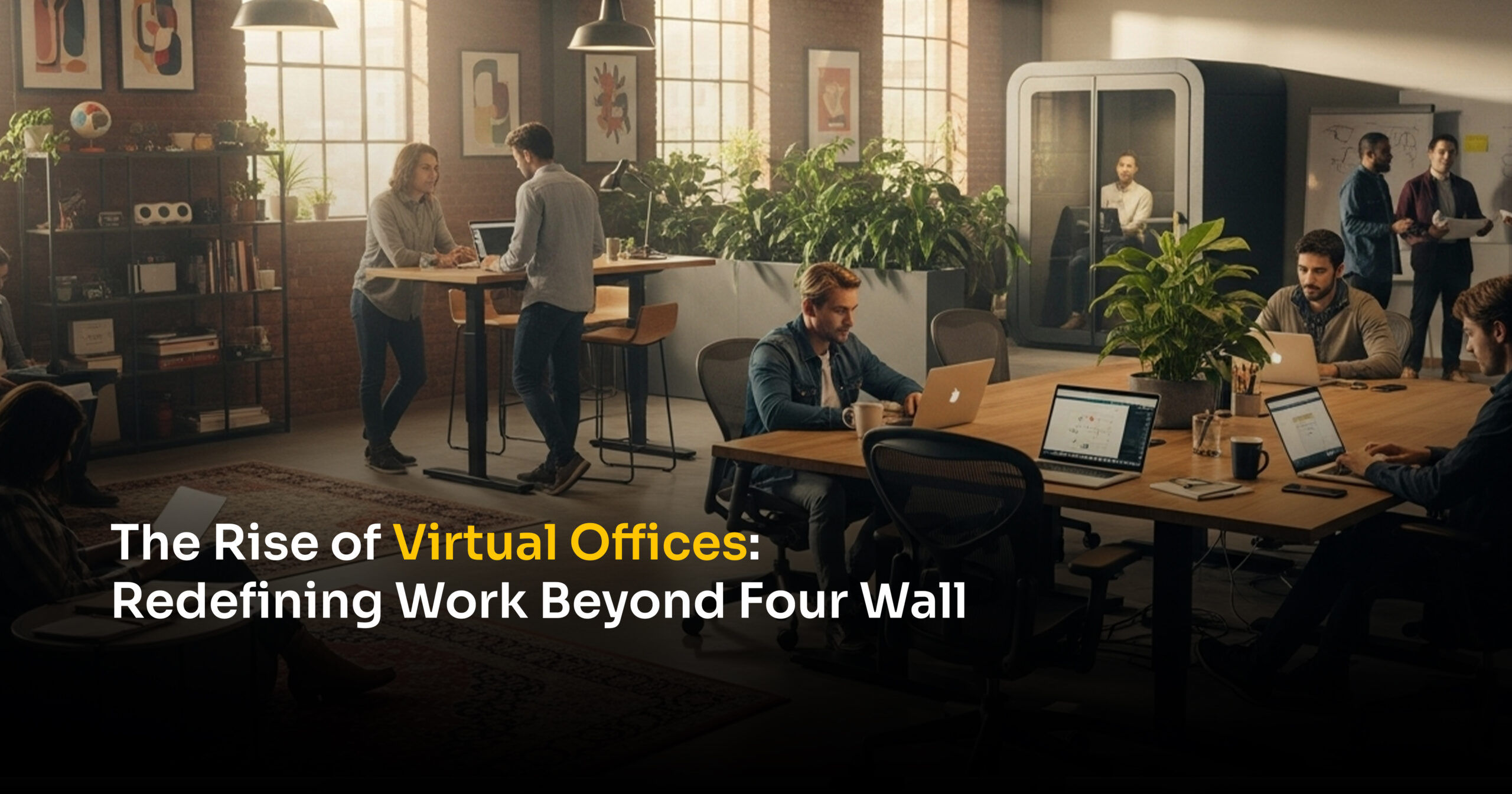
Furnished vs Unfurnished Office Space: What’s Best for You?

As a growing business in Chennai, choosing the right office space can make or break your operations. Whether you’re a startup, SME, or an enterprise looking to expand, one of the first questions you’ll face is:

“Should I go for a furnished or unfurnished office space?”

The answer isn’t one-size-fits-all. Your choice depends on your business model, budget, timeline, brand image, and operational needs.

At The Executive Zone, we regularly help businesses make informed decisions by offering tailored workspace solutions. In this comprehensive guide, we break down the key differences, pros and cons, and ideal use-cases of furnished vs unfurnished office spaces, so you can decide what suits your business best.

What is a Furnished Office Space?

A furnished office space comes fully equipped with the essentials you need to start working from day one. This includes:

  • Office furniture (desks, chairs, storage units)
  • Internet and phone connectivity
  • Meeting rooms and conference facilities
  • Reception services
  • Air conditioning, lighting, and security
  • Pantry or break-out areas

Many furnished offices also offer shared amenities like printing stations, concierge services, housekeeping, and even IT support.

What is an Unfurnished Office Space?

An unfurnished office is a blank slate. It typically includes:

  • Four walls
  • Flooring
  • Electrical wiring and plumbing
  • Sometimes basic lighting or air conditioning

Everything else—furniture, decor, networking infrastructure, and facilities—must be set up and managed by the tenant.

Key Differences at a Glance

FeatureFurnished OfficeUnfurnished Office
Move-in TimeImmediateWeeks to Months
Setup CostLowHigh
Flexibility in DesignLimitedHigh
MaintenanceProvided by operatorYour responsibility
Ideal ForStartups, remote teams, freelancers, SMBsCorporates with custom needs
Lease TermShort to MediumLong-term (often 3+ years)

1. Setup Time & Move-In Readiness

Furnished Office Space:

The biggest advantage is how quickly you can start working. Many furnished offices are plug-and-play, meaning you can move in the same day you sign the contract. This is ideal for fast-paced businesses, remote teams, or new market entrants who don’t have the time or resources for setup.

Unfurnished Office Space:

Setting up an unfurnished office requires time. You’ll need to plan and coordinate furniture procurement, internet setup, design layout, branding, and more. If time is a constraint, this may not be the best option.


2. Customization and Branding Opportunities

Furnished Office Space:

While modern furnished spaces are aesthetically appealing, they may have limitations when it comes to customizing the layout or installing your brand identity. Some best coworking spaces in Chennai, like The Executive Zone, allow minor customizations, but the framework remains standardized.

Unfurnished Office Space:

If you want total control over every detail of your office—from floor plan to wall colors and brand signage, an unfurnished office is your canvas. This is often the preferred route for large companies with specific design and cultural requirements.


3. Cost Implications: Which One is More Affordable?

Initial Investment:
  • Furnished: You avoid the upfront cost of buying furniture, networking infrastructure, decor, etc.
  • Unfurnished: You’ll have to invest significantly in setup, sometimes amounting to lakhs of rupees.
Operational Cost:
  • Furnished: Maintenance, internet, electricity, and security are often bundled into your rent. This means fewer bills and easier budgeting.
  • Unfurnished: All utilities and services must be set up separately. You also have to bear the ongoing costs of upkeep.
Long-Term Savings:
  • If you plan to stay in one location for 5–10 years, investing in an unfurnished space may become more cost-effective over time.
  • For short- to medium-term plans (1–3 years), furnished offices save time, money, and effort.

4. Lease Terms & Flexibility

Furnished Office Space:
  • Offers shorter, more flexible lease terms
  • Can scale up or down depending on your team size
  • Ideal for businesses that expect change or expansion in the near future
Unfurnished Office Space:
  • Generally involves long-term leases
  • May include a lock-in period and security deposits
  • Less flexible in terms of scaling unless you plan for it in advance

5. Maintenance and Facility Management

Furnished Office Space:

Maintenance is usually handled by the provider. Whether it’s broken lights or internet downtime, there’s a dedicated team to handle it. You focus on your business while they take care of the rest.

Unfurnished Office Space:

You’re responsible for everything. From fixing air conditioning units to replacing furniture or coordinating cleaning staff, it all falls under your management. This can become time-consuming and expensive.

6. Professional Image and First Impressions

Furnished Office Space:

Prestige matters. Walking into a stylish, well-lit office with a professional reception area and state-of-the-art meeting rooms immediately creates a good impression on clients and partners. At The Executive Zone, we ensure that our fully furnished offices reflect excellence and professionalism.

Unfurnished Office Space:

You can design your space to match your brand tone and luxury expectations, but it takes time and effort. Until your setup is complete, it may lack the appeal needed to impress stakeholders.


7. Ideal Use-Cases for Furnished Office Space

Startups and Entrepreneurs

Time and cost are of the essence for startups. A furnished office offers everything needed to hit the ground running—without worrying about furniture, leases, or bills.

Remote and Hybrid Teams

Furnished office spaces work well for teams who occasionally meet or operate in a hybrid model. Book a dedicated desk, cabin, or meeting room as required.

Project-Based Companies

Need a workspace for 6–12 months? A plug-and-play office saves you the hassle of setting up and winding down.

International Companies Setting Up in Chennai

Global businesses entering India prefer furnished office spaces as a temporary or initial base to explore the local market.

8. Ideal Use-Cases for Unfurnished Office Space

Large Corporations or MNCs

They often require highly personalized office layouts, security systems, branding, and large seating capacity that furnished options may not support.

Companies with In-House Facility Teams

If you already have a team managing infrastructure and operations, an unfurnished space can give you greater control and cost advantage.

Businesses Seeking a Permanent Base

Companies looking for a long-term headquarters or a custom-built office in a prime area can benefit from the freedom and ownership that unfurnished spaces provide.

Why Furnished Office Spaces Are Booming in Chennai ?

Over the past few years, furnished office spaces in Chennai have seen a massive uptick in demand. Here’s why:

  • Cost-Effective for Small Businesses
  • Premium Locations like Anna Salai, Teynampet, Guindy, and OMR are dominated by coworking and business centres
  • Rapid shift to hybrid work models
  • Flexibility in lease terms attracts startups and SMEs

How The Executive Zone Meets Every Business Need ?

Whether you need a fully furnished office or a more personalized setup, The Executive Zone offers office spaces for rent in Chennai designed to grow with you.

What We Offer:
  • Elegant Furnished Offices: Ready-to-move-in cabins, coworking desks, and executive suites
  • Meeting Rooms: On-demand boardrooms and AV-equipped conference spaces
  • Business-Class Amenities: High-speed Wi-Fi, printers, reception services, security
  • Prime Chennai Location: Anna Salai, Chennai’s central business hub
  • Flexible Lease Terms: Choose your space by the hour, day, month, or year
  • Custom Office Setup (on request): Need a semi-furnished option? Talk to our team

Our clients include startups, IT firms, consultants, legal professionals, and MNCs—each with unique workspace requirements that we’re proud to fulfill.

Future of Office Spaces: What the Trends Say

As work culture evolves, the demand for flexible and furnished offices will continue to rise. However, certain businesses will always require long-term, tailored spaces. Here’s what to watch:

  • Rise of hybrid and remote work = more furnished, shared offices
  • Increased focus on design and well-being = preference for ready-made ergonomic setups
  • Smaller, decentralized teams = higher demand for satellite offices and business lounges

Making the Final Decision: A Checklist

Still confused about which option is right for you? Here’s a checklist to help:

Choose Furnished Office Space if:

  • You need to move in quickly
  • You want predictable monthly costs
  • You’re a startup or freelancer
  • You don’t want the burden of managing facilities
  • You need short- to mid-term office space

Choose Unfurnished Office Space if:

  • You have long-term plans (3+ years)
  • You want complete design freedom
  • You have in-house operations/facility teams
  • You can afford a higher initial investment
  • Your brand requires a highly customized setup

To delve deeper into finding the perfect workspace, explore our comprehensive guide on Office Space for Rent in Chennai.

Conclusion: The Right Office is the One That Works for You

The decision between furnished and unfurnished office space depends on your unique needs, growth stage, and business strategy. While furnished offices offer convenience, cost savings, and speed, unfurnished spaces offer control, customization, and long-term investment value.

At The Executive Zone, we empower you to choose what works best by offering premium business spaces with the flexibility and features your business needs.

Looking for a Modern, Furnished Office in Chennai?

Book a free tour of The Executive Zone today. Discover how we combine elegant interiors, advanced amenities, and flexible plans to create Chennai’s most loved business destination.

Office Space for Rent in Chennai : A  Full Guide 

Chennai, often referred to as the “Detroit of Asia” due to its robust automotive industry and burgeoning IT and manufacturing sectors, presents a dynamic landscape for businesses seeking office space for rent in Chennai. Whether you’re a burgeoning startup, a growing SME, or an established multinational corporation, the city offers a diverse array of commercial properties to suit every need and budget. This comprehensive guide will walk you through everything you need to know about securing your ideal workspace in the vibrant capital of Tamil Nadu.

Understanding the Chennai Office Space Market

The commercial real estate market in Chennai is on an upward trajectory. Recent reports indicate a significant year-on-year growth in gross leasing volumes, particularly driven by the Suburban South and Peripheral South-west regions. The IT-BPM sector, flexible workspaces, and engineering & manufacturing continue to be major demand drivers. This robust growth signifies a healthy environment for businesses looking to expand or establish their presence.

Types of Office Spaces Available

Chennai’s commercial real estate offers a spectrum of options, catering to various business models and preferences:

  • Serviced Offices: Offering a “plug-and-play” solution, serviced offices in Chennai come fully furnished and equipped with amenities like high-speed internet, IT support, and administrative services. They offer flexibility in lease terms, making them ideal for businesses seeking a quick setup, minimal upfront investment, and a hassle-free experience.
  • Coworking Spaces: Coworking spaces in Chennai have gained immense popularity, especially among startups, freelancers, and small teams. They offer shared workspaces, dedicated desks, and private cabins within a collaborative environment. Benefits include cost efficiency, networking opportunities, access to premium amenities, and flexible membership plans (daily, weekly, monthly). For startups seeking affordable office space in Chennai, coworking spaces like those in Ambattur OT, Perungudi, and Nungambakkam offer excellent value.
  • Private Offices: Ideal for companies that want full control over their space. Offers security, privacy, and exclusivity.
  • Custom Build-to-Suit Offices: Enterprises with unique infrastructure needs can customize their space completely in leased premises.
  • Virtual Offices: If your business doesn’t require a physical presence daily but needs a professional business address for registration, mail handling, and call answering, a virtual office in Chennai is a cost-effective solution. Some plans even offer access to meeting rooms and day offices on demand, providing a blend of flexibility and professionalism.

Top Locations for Office Space in Chennai

Chennai boasts several prominent business districts, each with its unique advantages and average rental prices:

  • Guindy: A well-established commercial hub with excellent connectivity to the Chennai International Airport and major arterial roads. It offers a mix of traditional and premium office space in Chennai. The average rental price is around ₹86/sq. ft. per month.
  • OMR (Old Mahabalipuram Road): Known as the “IT Corridor,” OMR is a rapidly developing area teeming with IT parks and software companies. It’s a prime location for tech-driven businesses and offers modern infrastructure. The average rental price can range significantly, but is around ₹97/sq. ft. per month.
  • Nungambakkam: A central business district blending traditional and modern office spaces, often preferred by multinational companies due to its connectivity. The average rental price is approximately ₹88/sq. ft. per month.
  • Anna Salai (Mount Road): One of the oldest and busiest commercial streets, offering a mix of retail and office spaces. It’s a bustling area with high demand. The average rental price is around ₹100/sq. ft. per month.
  • Perungudi & Sholinganallur: Located on OMR, these areas are rapidly emerging as prime business destinations, particularly for IT and tech companies, offering modern offices and coworking spaces in Chennai.
  • T. Nagar: A historic commercial hub known for its shopping, offering diverse office space options.
  • Velachery: A vibrant residential and commercial area with good connectivity and a range of office spaces.
  • Ambattur: An industrial area that has transformed into a significant commercial hub, offering a range of office spaces, including industrial units.

Key Considerations When Renting Office Space

When looking for office space for rent in Chennai, several factors come into play:

  • Budget: Determine your overall budget, considering not just the base rent but also maintenance charges (CAM fees), security deposits, and potential fit-out costs. Affordable office space in Chennai can be found, especially in coworking or virtual office setups.
  • Location and Accessibility: Proximity to public transport (Chennai Metro Rail), major roads, and amenities (cafes, restaurants, banks) is crucial for employee convenience and client accessibility. Consider areas like Guindy, OMR, and Nungambakkam for their strategic advantages.
  • Size and Layout: Assess your current and future space requirements. Do you need open-plan workspaces, private cabins, meeting rooms, or a combination? Factor in room for potential expansion.
  • Amenities and Infrastructure: Evaluate the available amenities, such as high-speed internet, power backup, parking facilities, security, and air conditioning. For premium office space in Chennai, expect state-of-the-art facilities.
  • Lease Terms and Flexibility: Understand the lease duration, rent escalation clauses, and exit strategies. Serviced offices and coworking spaces offer greater flexibility with shorter lease terms compared to traditional leases.
  • Legal Aspects of Office Rental Chennai: It’s crucial to understand the legalities involved. Engage with legal professionals to review lease agreements thoroughly, ensuring all terms and conditions are clear and favorable. This includes understanding clauses related to rent revisions, maintenance responsibilities, and termination.

Cost of Renting Office Space in Chennai

Chennai offers a wide price range, depending on location, office type, and amenities.

LocationAvg. Rent (per sq. ft./month)
OMR / Tidel Park₹35 – ₹65
Guindy₹50 – ₹90
Mount Road₹60 – ₹120
Nungambakkam₹55 – ₹110
Perungudi / Sholinganallur₹30 – ₹60

For small businesses and startups, coworking desks can start from ₹5,000/month, while private cabins cost ₹10,000–₹25,000/month.

Who Should Rent Office Space in Chennai?

The city welcomes businesses across sectors:

  • Startups seeking flexible or coworking spaces
  • Tech Companies expanding to South India
  • E-commerce firms need warehouses + office combos
  • Consultants & Professionals (CA, law, finance)
  • Educational institutions opening regional branches
  • Multinational Corporations setting up regional headquarters

Whether you’re bootstrapped or funded, Chennai’s diverse office market caters to all business sizes.

Finding Your Ideal Office Space: A Step-by-Step Guide

  • Define Your Needs: Clearly outline your budget, desired location, required size, preferred amenities, and the type of office space that aligns with your business model.
  • Research the Market: Explore online listings on commercial real estate platforms (e.g., MagicBricks, OLX) and consult market reports from reputable real estate consultants like Cushman & Wakefield or Savills to understand current trends and average rental prices. Look for small office space for rent in Chennai or larger commercial properties as needed.
  • Engage a Commercial Real Estate Agent: For a smoother and more efficient search, consider working with commercial real estate agents in Chennai. They possess in-depth market knowledge, access to exclusive listings, and expertise in negotiating lease terms. Companies like Kani Real Estate, Property Real Estate Agents, and Medsea Properties are well-regarded.
  • Visit Properties: Shortlist potential spaces and arrange site visits to assess the actual condition, layout, and overall environment.
  • Negotiate the Lease: This is a critical step. Don’t hesitate to negotiate on rent, lease duration, rent-free periods, fit-out allowances, and other terms. Having a clear understanding of your landlord’s situation and market alternatives can give you leverage. Consider hiring a broker to assist with negotiating office leases in Chennai.
  • Review the Agreement: Before signing, have a legal professional meticulously review the lease agreement to ensure it protects your interests and avoids any unforeseen liabilities.
Conclusion

Securing the right best office space for rent in Chennai is a pivotal decision for any business. By understanding the diverse options available, exploring key business districts, considering crucial factors like budget and flexibility, and leveraging the expertise of real estate professionals, you can find a workspace that not only meets your operational needs but also fosters growth and success in this thriving metropolitan city. Whether you’re searching for an affordable small office for rent in Chennai or a premium corporate office for lease, the city’s dynamic real estate market offers abundant opportunities.

Legal Checklist Before Renting Office Space in Chennai – A Guide

Chennai’s thriving business environment is attractive for startups, IT firms, consultancies, and more. Office locations in strategic business districts like OMR, Guindy, and Teynampet are highly sought after. However, to leverage Chennai’s potential, entrepreneurs must navigate a complex web of legal factors that govern commercial real estate. This guide breaks down what you need to know and do—step by step—for office space for rent in Chennai before signing on the dotted line.

Why Legal Due Diligence Matters?

Legal due diligence in leasing protects you from:

  • Ownership disputes: Who owns or has legal authority over the rental space?
  • Zoning violations: Whether your intended business is legally permitted.
  • Unclear lease terms: Ambiguities can lead to hidden costs or unfair obligations.
  • Liability gaps: For damages, liabilities, or emergencies.
  • Compliance failures: Ignorance of local laws can mean hefty fines or shutdowns.

Investing time upfront to validate legal aspects prevents bigger problems and expenses later.

Key Legal Considerations

3.1. Title and Ownership Verification
  • Land title check: Request title deeds or Extracts from the Registrar’s office (Patta/SRO records).
  • Power of Attorney (PoA): If the person leasing is a power holder, verify the PoA’s authenticity and scope.
  • Chain of title review: Ensure past ownership transfers were legally executed and registered.
  • Encumbrance certificate: Indicates whether there are outstanding loans, mortgages, or charges.

Why it matters: You must rent from the actual legal owner or authorized agent. Any ownership irregularity can invalidate your lease or threaten eviction.

3.2. Authorized Use under Zoning Laws
  • Confirm same‑use categorization: Office spaces must be categorized as “Commercial – Office” under Chennai Metropolitan Development Authority (CMDA) or Chennai Corporation zoning.
  • Check if additional approvals are needed—e.g., for server rooms, data storage, or specific professional services.

Why it matters: Operating a business in a non‑zoned property is an offense punishable under the Chennai Metropolitan Development Authority Act—your business can be served a stop notice or penalty.

3.3. Lease Agreement Essentials

A robust lease agreement is the backbone of a smooth relationship. Key clauses should include:

  • Identification: Names, addresses, and contact info of the lessor and lessee.
  • Premises description: Exact address, floor plan, built‑up area.
  • Use clause: Define permissible business use (e.g., “IT consultancy and related offices”).
  • Term and commencement date: Clarity on lease length, start date, and rent commencement.
  • Rent & escalation: Monthly rent, escalation percentage (e.g., 5% annual), and rent review schedule.
  • Security deposit: Amount, payment schedule, and refund conditions.
  • Common Area Maintenance (CAM): Who pays (tenant or landlord)? How are costs allocated?
  • Utilities & services: Who bears electricity, water, sewer, security, cleaning, waste disposal?
  • Sub‑letting/license: Allowed or restricted? Define terms.
  • Alterations/licensee fit‑out: What can be done, with whose consent, and responsibility for restoration.
  • Assignment: Can the tenant assign rights to another party?
  • Insurance & indemnity: Who insures what (fire, renter’s insurance, third‑party liability)?
  • Force majeure: Sample events, and rights in fire, flood, pandemic, or labor unrest.
  • Termination/exit: Notice period, penalties, restoration obligations.
  • Dispute resolution: Jurisdiction (Civil Court, Chennai), or arbitration venue.
  • Stamp duty & registration: Mandatory under Tamil Nadu Registration Act for 11+ month leases; landlord/tenant liability breakdown.

A lawyer’s review during drafting ensures that clauses don’t unfairly favor the landlord.

3.4. Deposit and Rent Terms
  • Security deposit: Typically 2–6 months’ rent; ensure clarity on whether interest is paid, and refund procedure at lease-end.
  • Rent escalation: Fixed increase (e.g., 5%), or tied to index rates (CPI, WPI).
  • Built-in utilities/included services: Some landlords offer bundled packages; clarify if rent includes them or if they are billed separately.
  • GST implications: India’s Goods and Services Tax (18%) applies to commercial leases for all lease terms longer than 11 months; check invoice compliance.
3.5. Maintenance, Repairs & CAM Charges
  • CAM definition and scope: Which spaces are included (corridors, lobbies, elevators, parking)?
  • Billing method: Flat, prorated per square foot, or based on occupancy numbers.
  • Repairs vs replacements: Landlord restores structural faults; tenant manages wear-and-tear; define responsibility boundaries.
  • Preventive maintenance rights: The Landlord should provide written notices and timelines.
  • Inspection schedule: Collaborative inspections help maintain transparency.
3.6. Fit-Out, Alterations & Renovations
  • Prior written approval: Document the technical scope and style before executing works.
  • Approved vendors: Include architect, decorator, or structural engineer registrations.
  • Compliance approvals: Register works with fire safety authorities and electrical boards.
  • Demobilization: Tenant is responsible for returning premises to original form—attention to paint, partitions, cabling, and HVAC.
  • Third‑party liabilities: Contractor damages or injuries must be insured and indemnified by the tenant.
3.7. Insurance Responsibilities
  • Landlord’s insurance: Typically covers building structure (fire, flood, earthquake).
  • Tenant’s obligations: Contents insurance (computers, furniture), public liability coverage (~₹50–100 lakh).
  • Joint/co‑insurance arrangements: Some leases require the tenant to share the cost of building insurance.
  • Policy compliance: Insurers may mandate waiver of subrogation, limits on types of occupancies, or restrictions on equipment use.
3.8. Term, Renewals & Exit
  • Initial term: Commonly 3–5 years; professionalism demands clarity on whether the breakup/merger of tenants impacts the lease.
  • Renewal rights: Optional or automatic? Typically guaranteed renewal if rent is not in arrears, subject to fresh escalation.
  • Notice periods: Usually 3–6 months’ notice for exit or non-renewal. Late cancellation fees may apply.
  • Exit cleaning & make-good obligations: Must be documented—modular offices, raised floors, nets, fire, structural changes, voids.
  • Claim settlement timeline: How long landlord have to raise a claim for damages or unpaid dues?
3.9. Legal Compliance & Licensing

Before moving in, ensure:

  • Trade license: From Greater Chennai Corporation; renewal process, fees, and required documents.
  • Fire NOC: From the Fire Safety Department; especially needed for multi-floor offices.
  • Shop & Establishment Act: Registration of the office under this Act (also covers contract labor, holidays, working hours).
  • GST registration: If annual turnover is ₹20 lakh or more (₹10 lakh for special category states).
  • Environmental/NOC approvals are: for industrial-like operations (e.g., print shop, food service, chemical storage).
  • Lift licence and elevator safety certificate: Periodic certifications must be in force.
  • Electrical/ESCOM compliance: Following Tamil Nadu Electricity Board regulations for commercial consumption.
  • Disabled-friendly & building accessibility standards: According to the Rights of Persons with Disabilities Act, 2016.
3.10. Dispute Resolution & Governing Law
  • Jurisdiction: Usually Chennai courts; specify Civil Court or Small Causes Court.
  • Arbitration clause: Use ISCLA rules or the Indian Arbitration Act, including seat (Chennai), arbitrator panel, time limits.
  • Mediation-first requirement: Some leases call for conciliation before moving to court or arbitration.
  • Attorney fees & recovery: Who bears legal costs, and is entitled to recovery of collection costs?
  • Latent defect clause: Addresses unforeseen structural or major defects emerging post-possession.

Checklist Summary Table

No.Legal ItemAction Required
1Title & OwnershipReview deed, PoA, encumbrance certificate
2Zoning & Authorized UseConfirm CMDA/Corporation permissions and declare usage
3Lease AgreementEnsure robust drafting, fair rent escalation, renewal, fit-out, and exit clauses
4Rent & DepositNegotiate deposit size, escalation mechanism, GST treatment
5CAM & MaintenanceClearly define maintenance scope, billing, and repair responsibility
6Fit‑Out & AlterationsGet landlord approvals, build to code, define responsibility at exit
7InsuranceValidate landlord and tenant insurances, including public liability
8Term, Renewals, ExitFix notice period, exit obligations, and claim timeline
9Legal Licensing & ApprovalsTrade, fire NOC, Enter & Establish, GST, ESCOM, accessibility certificates
10Dispute ResolutionAgree on jurisdiction, arbitration mechanism, and cost recovery

Best Practices & Common Pitfalls

Best Practices
  • Engage legal & real‑estate experts: A specialist landlord‑tenant lawyer and real‑estate consultant help catch hidden risks.
  • Early compliance checks: Secure a trade license, fire NOC, and occupancy certificate before move‑in.
  • Document verbal agreements: Any landlord promises must be written into the lease or accompanying schedules.
  • Perform a detailed inspection: Take date‑stamped photos or videos to record pre‑handover conditions.
  • Periodical rent comparison: Compare local market rents annually to support negotiation during renewal.
  • Maintain a maintenance log: Record repairs, preventive work, and related expenses.
🔴 Common Pitfalls
  • Unregistered lease: Leases over 11 months require mandatory registration—unregistered ones are unenforceable in court.
  • Ambiguous escalation clause: Vague wording like “market rent” without a formula creates room for conflict.
  • Unauthorized alterations: Even innocuous-looking cabling, interior glass walls, or false ceilings may be objectionable to landlords.
  • Underinsured premises: Too little or zero insurance exposes tenants to FULL potential losses.
  • Ignoring hidden costs: Parking fees, loading dock usage, security deposits, or electricity hike clauses can surprise you.
  • Premature exit barriers: A seemingly great lease with heavy exit penalties can trap you financially.

Why You’d Find the Best Office Space for Rent in Chennai Here

When it comes to finding the best office space for rent in Chennai, location matters—but so does surety. Our ongoing market insights help you:

  • Discover fully‑compliant offices with proper documentation.
  • Access rental spaces pre‑evaluated for everything from zoning to fit‑out readiness.
  • Compare lease terms side‑by‑side based on legal and cost transparency

That way, your business can focus on productivity, not paperwork.

Conclusion

Renting office space in Chennai isn’t just about selecting an address or negotiating rent—it’s about ensuring every legal foundation is firmly in place. From title search and zoning verifications to compliant leases, fit‑out permissions, and local licensing, each step plays a key role in your business’s stability and credibility.

Treat this legal checklist as a roadmap before you sign. And as your trusted partner in Chennai’s services sector, we’re here to assist—whether you require documented leases, compliance guidance, or help negotiating transparent terms.

The Evolution of Coworking Culture in Chennai: Trends to Watch

Chennai’s skyline tells a future-forward story: of tech hubs and startups, blended with a rising tide of flexible offices and innovative co-working setups. Over the past decade, the city has undergone a remarkable transformation—from traditional office blocks to vibrant, collaborative environments that cater to modern workstyles. As hybrid work gains momentum and professionals seek dynamic spaces, Chennai’s co-working evolution sets new benchmarks.

In this article, we explore the journey of coworking in Chennai, the key forces shaping its growth, and emerging trends that businesses of all sizes should watch. Along the way, we also spotlight the coworking space Chennai ecosystem—from its rise as an incubator for startups to its role in global IT growth.

Chennai’s Co‑Working Origins

1. Early experiments in shared workspaces

2010–2015: A handful of informal shared offices popped up in OMR and Anna Nagar, driven by freelancers and solopreneurs seeking affordable alternatives to traditional rented offices. These were simple setups: desks, internet, and communal energy.

2. Rise of formal co‑working brands

2016–2018: National players like Regus and Awfis established, designed, and scalable coworking centres in prime urban hubs. Medium-sized operators like Smartworks and WorkEZ also arrived, fulfilling corporate demand for flexible arrangements without long-term leases.

3. Expansion by global operators

2019 onwards: WeWork India inked agreements to add over 200,000 sq ft in Chennai and Pune, marking global confidence in Chennai’s workspace potential. Domestic chains like Incuspaze, backed by significant funding, added hundreds of thousands of square feet along OMR.

Key Drivers of Growth

Key Drivers of Growth
2.1 Chennai’s Emerging IT & Startup Ecosystem

Chennai ranks as India’s fourth-largest software exporter with strong deep-tech and SaaS activity. Expansion of tech giants and Global Capability Centers (GCCs) has created demand for satellite hubs and flexible options beyond conventional campus leases.

2.2 Hybrid Work & Remote-Friendly Policies

Post-pandemic, hybrid work models became mainstream. Businesses are embracing flexible, decentralized operations—blending remote work with physical collaboration hubs.

2.3 Cost Efficiency & Scalability

With escalating costs in OMR and Guindy, co-working provides scalable solutions—companies only pay for what they use.Private equity inflows and portfolio expansions by co‑working operators reflect growing demand.

2.4 Community, Networking & Collaboration

Co-working is reshaping innovation in Chennai through events, mentorship, and peer-driven growth. Shared spaces promote cross-pollination of ideas—vital for firm-level innovation.

Geography & Accessibility

3.1 Tech Corridors

OMR, Anna Nagar, Guindy, and KK Nagar anchor Chennai’s co-working revolution. These zones blend tech clusters, transit convenience, and upscale amenities, magnetizing businesses and talent alike.

3.2 Suburban & Satellite Zones

Responding to reduced commutes, suburban co‑working hubs have emerged—e.g., KK Nagar, Pattabiram’s TIDEL Park, and the wider Avadi region.

3.3 Gig & Micro-Offices

The GCC’s AC mobile lounge for gig workers at Anna Nagar highlights the rising mobility of the gig workforce.

2.5 Tech Integration & Smart Workspaces

Modern coworking hubs feature AI-based booking systems, IoT-enabled facilities, secure networks, and 24×7 access, with minimal staffing.

2.6 Wellness & Sustainable Design

From biophilic design (plants, natural light, bamboo materials) to ergonomic workstations and wellness zones, spaces with sustainability credentials also boost productivity by ~15‑20%.

Top Co‑Working Players in Chennai

  • The Executive Zone: Premium workspace The Executive Zone in OMR, Anna Nagar, and Guindy—private cabins, lounges, event areas, targeting tech clients.
  • Awfis: National brand with multiple Chennai centres since 2021
  • Regus: Professional, globally connected centres at Guindy and Tidel Park.
  • Indiqube: Enterprise-grade infrastructure along OMR.
  • Beam, CoLabs: Founder and tech-focused co‑working with programming, mentorship.
  • Incuspaze: Rapid expansion with 250,000 sq ft leased in 2025, serving GCC / tech clients.

Trends & What’s Next

5.1 Co‑working as a Service (CaaS)

Spaces are evolving into service ecosystems—with flexible access, mentorship, venture support, IoT systems, and automated billing.

5.2 Niche Offices

Demand for specialist hubs—creative, fintech, women‑led, deep‑tech—has risen. Businesses increasingly value niches that foster focused communities.

5.3 Sustainability & Biophilia

Green design—plant walls, renewable energy, water recycling—escalates in appeal. Workspaces with outdoor zones, natural materials, and meditation spaces boost wellbeing.

5.4 Smart Amenities & Tech

Expect more AI‑driven space management, analytics, virtual assistants, and secure digital infrastructure.

5.5 Multi‑Functional Community Hubs

Spaces increasingly host workshops, networking sessions, pop‑up events, and offer wellness programs like yoga, mindfulness.

5.6 Subscription Models & Pay‑As‑You‑Use

Tiered plans—day‑pass, part‑time, private cabins—offer budget flexibility and allow businesses to scale fast.

5.7 Satellite Offices & Gleaming Startups

Large corporations launch satellite hubs in coworking spaces to access regional talent. Startups benefit from shared resources, mentorship, and community.

Benefits to Businesses

  • Cost Savings: Lower upfront investment than traditional leases; flexible termination.
  • Agility: Instantly scale up/down by seat count—ideal for project-based teams.
  • Infrastructure Support: High-speed Wi‑Fi, conferencing, power backup, pantries—run offices without building them.
  • Talent & Networking: Access vibrant professional communities for hiring, partnerships, and knowledge sharing.
  • Credibility & Location: Presence in OMR, Anna Nagar, or Guindy enhances brand image without long commitments.
  • Employee Wellbeing: Natural light, breakout zones, and ergonomic design promote health and productivity.

Challenges & Risks

  • Vacancy Pressures: With overall office vacancies at ~28%, co-working operators must diversify offerings.
  • Infrastructure Gaps: Chennai’s broader issues—power, transport, and internet outages—can impact operations.
  • Local Culture & Integration: Chennai’s conservative work culture and language expectations may pose integration challenges.
  • Regulatory Ambiguity: Sector rules on data centers, safety codes, and taxation remain fluid in India.

Studies & Local Voices

  • MindTech Analytics: Scaled from a two-person team to six with zero relocation—achieving growth through flexible space at The Executive Zone
  • DesignFlow Studio: Grew to 12 employees by leveraging design workshops and creative communities at Awfis
  • NHS Ventures: Healthtech start‑up incubated at Indiqube, launched multiple programs across hospitals within a year
  • Gig Workers Meetup: Chennai freelancers connect at Anna Nagar library and informal meetups to escape WFH isolation

Future Outlook: What Businesses Should Watch

TrendDescription
Satellite & Suburban HubsExpansion beyond city-centre—e.g., Pattabiram, Avadi—enabling access to talent & lower costs 
CaaS IntegrationsSpaces with venture programs, mentorship, 24×7 access, and digital tools
Niche & Industry-FocusedGrowth in coworking spaces for creatives, fintech, women-led, and deep‑tech
Sustainability FocusBiophilic design, solar panels, greywater, outdoor meeting spaces
Smart InfrastructureAI-enabled booking, analytics-driven resource optimization
Gig & Micro-OfficesSmall, pop-up lounges cater to delivery workers, freelancers
Subscription FlexibilityTiered, usage-based access supports scaling teams

How to Choose a Coworking Hub in Chennai?

  • Location – OMR for IT/startup synergy, Anna Nagar/Guindy for midtown access, Pattabiram for suburban ease.
  • Amenities – Wi‑Fi speed, power backup, meeting rooms, food zones, wellness areas, and parking.
  • Community – Industry mix, events calendar, mentorship, workshop ecosystem.
  • Flexibility – Tiered plans (desk, cabin, day pass), scalability options.
  • Security & Tech – 24×7 access, secure network, CCTV, keycard/biometric systems.
  • Sustainability – Green credentials, indoor plants, recycling, fresh air zones.

Strategic Recommendations for Businesses

  • Start Small, Scale Fast: Begin with part-time desks or day passes. Scale as projects and teams grow, avoiding CAPEX.
  • Tap Community Value: Join workshops, pitch nights, and tech meetups to network and recruit.
  • Hybrid Nesting: Provide satellite access for distributed teams in diverse zones.
  • Wellbeing Wins: Choose hubs with wellness features—increased engagement and retention.
  • Include in Benefits: Market co-working membership as a modern perk on par with remote options.
  • Track ROI: Benchmark against traditional lease costs and productivity metrics.
  • Stay Agile: Use flexible contracts to respond to market changes, avoiding fixed liability.

 The Road Ahead

Chennai’s co‑working ecosystem is poised for further transformation. With hybrid models mainstreaming, sustainability taking center stage, and niche operators gaining prominence, the city is witnessing a redefinition of ‘office’.

Businesses and freelancers alike now enjoy access to top-tier Coworking spaces in Chennai, blending efficiency, flexibility, and community. As operators evolve into holistic service providers and suburban hubs expand, the best coworking spaces in Chennai will offer more than desks—they will provide ecosystems for innovation, wellbeing, and growth.

Conclusion

From humble beginnings to a vibrant ecosystem of tech-enabled, community-driven hubs, Chennai’s coworking landscape embodies the future of work. The city’s mix of startup energy, global capability centers, and infrastructural expansion has created a fertile ground for flexible workspaces.

For businesses—be they startups, SMEs, creatives, or corporates—co-working offers a strategic edge: reduced cost, operational agility, access to networks, and scalable infrastructure. With upcoming trends like niche hubs, sustainability-first design, and smart technology integrations, this dynamic sector is set to further empower Chennai’s professionals.

If your business is weighing office options, consider the new age of co-working: enriched by innovation, community, and modern amenities. Embrace it, and position your business for the next wave of growth in Chennai’s evolving economy.

Shared Office vs Coworking Space in Chennai : Which is Better?

In today’s fast-paced business world, the dynamics of workspaces are rapidly evolving. As businesses scale and entrepreneurs launch new ventures, the need for flexible office spaces has grown. In metropolitan cities like Chennai, a large number of options have emerged, offering flexible workspaces that cater to various professional needs. The two most popular choices among professionals are shared office spaces and coworking spaces.

But with so many choices, how do you determine which one best suits your needs? Whether you’re a freelancer, small business owner, startup founder, or even an established company looking to expand or downsize, understanding the differences between shared offices and coworking spaces is crucial.

In this comprehensive guide, we will explore both workspace options, weigh their pros and cons, and help you make an informed decision about which one is better for your business needs in Chennai.

What is a Shared Office?

A shared office refers to a workspace where different businesses or individuals share a common office environment. Typically, these spaces are equipped with essential office infrastructure, such as desks, chairs, internet access, and printers, but are not dedicated to any specific individual or company. The key differentiator is that it offers private office space within a larger shared setting. While you may have your own desk or small office, you share facilities with other businesses.

Shared offices offer a certain level of privacy while still being part of a larger office community. This setup often appeals to businesses that want a balance of flexibility and privacy without the commitment of a traditional office lease.

Key Features of Shared Office Spaces:

  • Private offices or desks within a shared environment
  • Access to essential office infrastructure (internet, printing, etc.)
  • Shared conference rooms and common areas
  • Flexible lease terms (typically monthly)
  • Lower cost than a dedicated office

Pros of Shared Office Spaces:

  • Cost-Efficient: Shared offices generally cost less than renting out an entire office, making them an affordable option for small businesses and startups.
  • Privacy: If your work requires privacy but you still want to avoid the long-term commitment of a traditional office, shared offices provide a solution.
  • Networking Opportunities: While you may have more privacy than in coworking spaces, you’re still within a community of professionals that can help expand your network.
  • Flexibility: Many shared offices offer month-to-month leases, which allows your business to adapt quickly to changing needs.

Cons of Shared Office Spaces:

  • Limited Customization: The space is typically less customizable than a private office, as the decor and layout are often pre-determined.
  • Limited Interaction: While you’re still in a shared environment, you don’t necessarily have as much interaction with other professionals, which can limit collaboration opportunities.
  • Noise Levels: Shared office spaces can get noisy, especially when several businesses or individuals are working in the same room.

What is a Coworking Space?

A coworking space is a type of shared office environment that promotes collaboration and community. These spaces often feature open layouts with flexible seating arrangements and hot desks, encouraging interaction between individuals from different companies and industries. Unlike shared offices, coworking spaces prioritize creating a collaborative environment with the intention of fostering networking, innovation, and synergy among its members.

Coworking spaces usually provide more than just a desk and internet access—they offer additional amenities, such as community events, workshops, and social areas, all designed to encourage collaboration and professional growth.

Key Features of Coworking Spaces:

  • Open floor plans with hot desks or dedicated desks
  • Shared meeting rooms and collaboration zones
  • Networking events and workshops
  • Access to amenities like coffee, snacks, and lounges
  • A dynamic environment conducive to creativity and interaction

Pros of Coworking Spaces:

  • Community and Networking: Coworking spaces foster collaboration between different professionals, making it easier to network and even find business partners or clients.
  • Flexibility: Many coworking spaces offer flexible memberships, allowing you to pay for what you need, whether it’s a dedicated desk, hot desk, or a private office.
  • Creative and Dynamic Environment: Coworking spaces are known for their vibrant and creative atmosphere, which can inspire new ideas and approaches to business.
  • Access to Resources: Many coworking spaces provide valuable resources like mentorship, workshops, and events that can help boost your business.

Cons of Coworking Spaces:

  • Less Privacy: Since most coworking spaces feature open layouts, privacy can be limited. This may not be ideal for individuals or teams that need a quiet, isolated environment to focus.
  • Noise and Distractions: The collaborative nature of coworking spaces can lead to higher noise levels, which may disrupt concentration and productivity.
  • Less Control Over Space: In a coworking space, you’re typically working within a shared area, which means you have less control over how the space is arranged and used.

Key Differences Between Shared Office and Coworking Space

Now that we have a basic understanding of both shared offices and coworking spaces, let’s dive into their differences. Understanding these distinctions will help you decide which workspace is more suited to your business.

1. Privacy:
  • Shared Office: Shared offices offer more privacy than coworking spaces. You get your own private office or desk, allowing you to close the door when needed.
  • Coworking Space: Coworking spaces tend to have open layouts, making privacy more limited. While some coworking spaces offer private offices, most involve shared, open areas.
2. Cost:
  • Shared Office: Shared office spaces are generally more affordable than private offices, but they tend to be more expensive than coworking spaces. The cost can vary based on location, size, and the level of privacy.
  • Coworking Space: Coworking spaces are typically more budget-friendly, especially for freelancers or small teams. Memberships can be flexible and scalable based on your needs.
3. Flexibility:
  • Shared Office: Shared offices provide flexibility in terms of lease duration. You can choose month-to-month or longer contracts depending on your business needs.
  • Coworking Space: Coworking spaces are highly flexible with various membership plans, such as hot desks (pay per day), dedicated desks (assigned space), and private offices.
4. Community:
  • Shared Office: While shared offices allow you to interact with other professionals, the focus is on privacy rather than community. There is less interaction compared to coworking spaces.
  • Coworking Space: Coworking spaces thrive on community and collaboration. You are encouraged to network and engage with others, creating opportunities for partnerships and business development.
5. Amenities:
  • Shared Office: Shared offices provide basic amenities, such as high-speed internet, printers, and meeting rooms. Some may also offer extras like coffee, but amenities are usually limited.
  • Coworking Space: Coworking spaces offer a wider range of amenities, including community events, workshops, and access to professional development resources. These spaces often come with additional perks like free snacks, beverages, and even fitness centers.
6. Work Environment:
  • Shared Office: Shared offices tend to offer a more formal, traditional work environment with fewer distractions. It’s more suitable for businesses that need focused work and less social interaction.
  • Coworking Space: Coworking spaces are vibrant, collaborative, and informal. The work environment is ideal for those who thrive in creative and social settings.

Which is Better for Your Business in Chennai?

When choosing between a shared office or a coworking space in Chennai, several factors need to be considered:

  • Type of Business: If your business requires privacy, confidentiality, or specific tools and equipment, a shared office may be the better option. On the other hand, if your work is creative or collaborative, or if you’re looking to network with like-minded professionals, a coworking space could be more beneficial.
  • Budget: If you have a limited budget and need flexibility, coworking spaces in Chennai often offer more affordable solutions. Shared offices can be pricier but offer more privacy, which may be worth the extra cost.
  • Company Size: Small businesses or freelancers may find coworking spaces ideal because of the opportunities for networking and flexibility. Larger teams or companies with confidential work may lean toward shared office spaces.
  • Work-Life Balance: If your business values a healthy work-life balance and a sense of community, coworking spaces provide more opportunities for social engagement and collaboration, potentially helping reduce work-related stress.
Conclusion

In Chennai, both shared offices and coworking spaces offer unique advantages and are great options for businesses looking for flexible, cost-effective office solutions. Shared offices tend to provide more privacy and are suited for businesses that prioritize quiet and independent work. On the other hand, coworking spaces are perfect for startups, freelancers, and businesses looking to network, collaborate, and work in a more dynamic and vibrant environment.

The key to making the right choice lies in understanding your business needs—whether it’s privacy, community, flexibility, or cost-effectiveness. By evaluating these factors, you’ll be able to find the ideal workspace in Chennai that best fits your business goals.