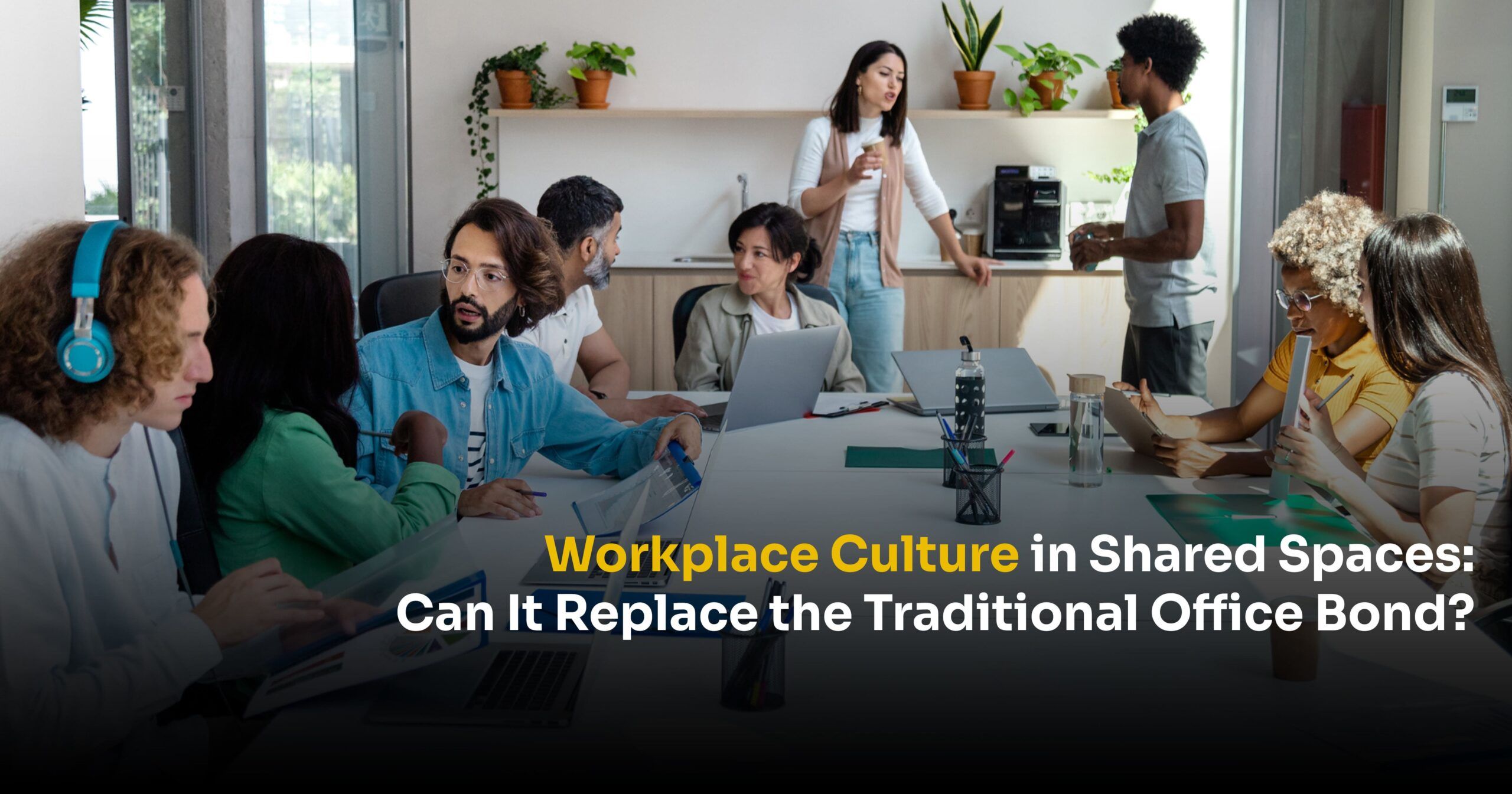
Built-To-Fit: Leveraging Coworking Space for Larger Teams

Coworking spaces have revolutionized the way businesses operate, providing flexible, cost-effective, and dynamic environments. Traditionally seen as hubs for startups and freelancers, coworking spaces are increasingly catering to larger teams from established companies. This shift reflects the evolving workplace landscape, where adaptability and collaboration are paramount. Let’s explore how coworking spaces can be strategically leveraged for larger teams and why they’re becoming a viable alternative to conventional office setups.

The Rise of Coworking Spaces for Larger Teams

The growth of best coworking spaces has been exponential over the last decade, driven by advancements in technology, changing workforce dynamics, and a push for flexible work environments. While startups and individual professionals initially fueled this growth, larger organizations are now recognizing the value these spaces offer.

Several factors contribute to this trend:

  • Talent Attraction and Retention: Modern employees value flexible and inspiring work environments. Coworking spaces foster creativity and collaboration, enhancing job satisfaction.
  • Scalability: Coworking spaces allow companies to scale operations seamlessly without long-term lease commitments. Teams can easily expand or downsize as needed.
  • Cost Efficiency: Leasing traditional office space involves significant overheads—rent, utilities, maintenance, and furnishings. Coworking spaces consolidate these costs into one manageable fee.
  • Access to Amenities: Premium coworking spaces offer state-of-the-art facilities, such as high-speed internet, conference rooms, ergonomic furniture, and wellness zones, which might otherwise be cost-prohibitive.

Advantages of Coworking Spaces for Large Teams

  • Flexibility in Location Large teams often span multiple cities or countries. Coworking spaces provide businesses with a network of locations, enabling employees to work closer to home or clients. This reduces commute times, enhances productivity, and supports work-life balance.
  • Fostering Collaboration and Innovation Coworking spaces are designed to encourage interaction. Open layouts, shared amenities, and community events create opportunities for teams to brainstorm, network, and exchange ideas. Larger teams can benefit from this collaborative culture, breaking departmental silos.
  • Customizable Solutions Many coworking providers offer tailored solutions for bigger teams. Businesses can secure dedicated floors or sections, branded spaces, and private meeting rooms, ensuring both privacy and team cohesion.
  • Enhanced Agility In a volatile business environment, agility is crucial. Coworking spaces allow larger teams to respond quickly to market changes. Whether entering new markets or adapting to economic fluctuations, businesses can leverage flexible contracts to align their workspace needs with operational demands.

Overcoming Challenges

While coworking spaces offer numerous benefits, larger teams may encounter challenges. Addressing these proactively ensures seamless integration:

  • Privacy Concerns: Larger teams often handle sensitive information. Opting for private offices or secure zones within a coworking space can mitigate risks.
  • Cultural Alignment: Integrating a corporate culture within a shared environment requires clear communication and engagement strategies.
  • Resource Allocation: Larger teams may face competition for shared amenities. Scheduling tools and dedicated facilities can help alleviate these issues.

Case Studies: Success Stories

  • Microsoft at WeWork Microsoft utilized WeWork spaces to enhance collaboration among its teams in New York City. By adopting a coworking model, the tech giant achieved significant cost savings and created a dynamic environment that spurred innovation.
  • IBM’s Partnership with Spaces IBM partnered with coworking provider Spaces to house over 1,000 employees in Amsterdam. The setup included branded workspaces that maintained IBM’s corporate identity while fostering interaction with other professionals.
  • HSBC’s Flexible Approach HSBC transitioned several teams into coworking spaces across Asia. This strategy allowed the bank to test new markets while promoting a more agile working style.

Choosing the Right Coworking Space

Selecting a coworking space for larger teams requires careful consideration. Key factors include:

  • Location and Accessibility: Proximity to public transport, client offices, and team residences.
  • Space Customization: Availability of dedicated areas tailored to team needs.
  • Technology and Connectivity: Reliable internet, advanced AV equipment, and tech support.
  • Community Fit: A community that aligns with the company’s values and goals.
  • Cost and Contracts: Transparent pricing models and flexible terms.

Future Trends in Coworking for Larger Teams

As the coworking industry matures, it’s poised to offer even more targeted solutions for larger teams:

  • Hybrid Work Models: Companies will increasingly adopt hybrid setups, combining coworking spaces with remote work and centralized hubs.
  • Sustainability Focus: Eco-friendly coworking spaces will attract businesses aiming to meet ESG (Environmental, Social, and Governance) goals.
  • Technology Integration: Smart workspaces with IoT-enabled devices, virtual collaboration tools, and AI-driven facilities management will become standard.
  • Vertical Specialization: Industry-specific coworking spaces tailored to sectors like fintech, healthcare, or media will emerge.

Coworking spaces are no longer just a trendy option for startups; they’re a practical, scalable, and innovative solution for larger teams. By embracing these flexible environments, businesses can enhance collaboration, optimize costs, and adapt to an ever-changing world. The key lies in choosing the right partner and creating a setup that aligns with organizational goals. As the workplace continues to evolve, coworking spaces will undoubtedly play a pivotal role in shaping the future of work.

 Top Trends in Virtual Office Solutions for 2025 and Beyond

In the dynamic world of work, virtual office solutions have emerged as a transformative force. From startups to established corporations, businesses are adopting virtual office models to maximize flexibility, reduce overheads, and stay competitive. As we step into 2025, the landscape of virtual office solutions continues to evolve, driven by technological advancements, changing workforce expectations, and global business trends. Let’s delve into the top trends shaping virtual office solutions for 2025 and beyond.

One of the most prominent trends in virtual office solutions is the rise of hybrid virtual offices. Companies are increasingly blending physical office spaces with virtual setups to cater to the diverse needs of their workforce. While some employees thrive in a traditional office environment, others prefer the freedom to work remotely. Hybrid virtual offices bridge this gap, offering businesses the ability to provide on-demand meeting rooms, coworking spaces, and virtual administrative support. This model not only enhances employee satisfaction but also allows businesses to operate efficiently across multiple locations without committing to full-scale physical offices.

Another significant trend is the integration of AI-powered tools into virtual office solutions. Artificial intelligence is revolutionizing the way businesses manage their operations. Virtual assistants now handle tasks such as scheduling meetings, managing emails, and providing customer support. AI-driven analytics tools help businesses track performance metrics and optimize workflows, making decision-making more data-driven and efficient. Moreover, AI-powered chatbots have become a standard feature, offering 24/7 support for clients and employees, ensuring seamless communication and problem-solving.

The emphasis on sustainability is reshaping how virtual office solutions are designed and implemented. As businesses prioritize environmentally conscious practices, virtual offices are helping reduce carbon footprints by eliminating the need for daily commutes and large office spaces. Providers of virtual office services are aligning with this trend by offering eco-friendly solutions, such as energy-efficient coworking spaces and digital documentation systems that minimize paper usage. This commitment to sustainability resonates with modern consumers and employees who value corporate responsibility.

The rise of the metaverse is another trend to watch. Virtual reality and augmented reality are no longer confined to gaming; they are transforming how businesses interact in virtual spaces. Virtual office solutions are beginning to incorporate metaverse technology to create immersive work environments. Teams can collaborate in virtual meeting rooms, host presentations, and network with clients, all within a highly interactive digital landscape. These innovations redefine the concept of presence, making remote work more engaging and collaborative.

Virtual Space in Chennai

Enhanced cybersecurity measures are becoming a cornerstone of virtual office solutions. With the increasing reliance on digital platforms, businesses face heightened risks of cyber threats. Virtual office providers are prioritizing data protection by offering robust security protocols, encrypted communication channels, and secure cloud storage solutions. Advanced authentication systems, such as biometric verification and multi-factor authentication, are also being integrated to safeguard sensitive business information. This focus on cybersecurity ensures that businesses can operate with confidence in a virtual environment.

Customization is taking center stage in the world of virtual office solutions. Businesses are seeking tailored solutions that align with their specific needs and goals. Virtual office providers are responding by offering customizable packages that allow businesses to choose from a range of services, such as professional mailing addresses, virtual receptionists, and coworking spaces. This flexibility empowers companies to create a virtual office setup that reflects their brand identity and operational requirements.

Globalization continues to shape the demand for virtual office solutions. As businesses expand their reach across borders, virtual offices provide a cost-effective way to establish a local presence in multiple countries. Providers are offering services such as multilingual support, local phone numbers, and culturally aware virtual receptionists to cater to diverse markets. This trend enables businesses to tap into international markets without the logistical challenges of setting up physical offices in every region.

The focus on employee well-being is influencing how virtual office solutions are structured. Businesses are recognizing the importance of creating supportive environments for remote workers. Virtual office providers are incorporating wellness programs, such as virtual fitness sessions, mental health resources, and ergonomic consultations, into their offerings. These initiatives not only enhance employee satisfaction but also improve productivity and retention rates.

Collaboration tools are becoming more sophisticated and integral to virtual office solutions. Platforms that integrate video conferencing, project management, file sharing, and real-time editing are enabling teams to work seamlessly, regardless of their location. These tools are designed to foster creativity and efficiency, ensuring that remote teams remain connected and productive. The development of intuitive and user-friendly interfaces ensures that these tools can be easily adopted by businesses of all sizes.

Cost-efficiency remains a driving force behind the adoption of virtual office solutions. Businesses are seeking ways to optimize expenses without compromising on quality. Virtual office providers are leveraging technology to offer high-quality services at competitive prices. The scalability of virtual offices allows businesses to expand or downsize operations as needed, making them an attractive option for startups and established companies alike.

As we look toward the future, it’s clear that virtual office solutions will continue to evolve in response to changing business dynamics and technological advancements. The trends outlined above reflect a shift towards greater flexibility, innovation, and sustainability in the workplace. By embracing these trends, businesses can stay ahead of the curve, enhance their operations, and create environments that empower employees and delight clients.

Virtual office solutions are more than a cost-saving measure; they are a strategic tool that enables businesses to thrive in a competitive and interconnected world. Whether it’s through hybrid models, AI-driven tools, or immersive technologies like the metaverse, the potential of virtual office solutions is vast and transformative. For businesses that are ready to embrace the future of work, the possibilities are limitless.

Best Coworking Spaces in Chennai 2026: A Comprehensive Guide

Chennai, the bustling capital of Tamil Nadu, has emerged as a prominent hub for businesses, startups, and freelancers alike. With its thriving economy and ever-growing entrepreneurial community, the demand for coworking spaces in Chennai has skyrocketed. Whether you are a solo entrepreneur, a small business owner, or a corporate team, finding the right coworking space can be crucial for productivity and collaboration. In this guide, we explore why coworking spaces in Chennai are the ideal choice for modern professionals and focus on “The Executive Zone,” a premium coworking space located in Anna Salai, Mount Road, Chennai.

Why Choose a Coworking Space in Chennai?

Coworking spaces have revolutionized people’s work by offering flexibility, affordability, and a sense of community. Here are some compelling reasons to choose a coworking space in Chennai:

  • Cost-Effectiveness: Avoid hefty office leases and pay only for the space you use.
  • Networking Opportunities: Connect with like-minded professionals and potential collaborators.
  • Amenities and Perks: Enjoy high-speed internet, meeting rooms, and other professional facilities.
  • Prime Locations: Many coworking spaces are located in Chennai’s business hotspots, offering easy accessibility.

Spotlight: The Executive Zone, Anna Salai, Mount Road

Location: Anna Salai, Mount Road, Chennai

The Executive Zone stands out as a premier coworking space in Chennai. Strategically located on Mount Road, it offers a vibrant and professional environment tailored for modern businesses and professionals.

Key Features:

  • Premium Infrastructure: Fully furnished offices and coworking desks designed for productivity and comfort.
  • State-of-the-Art Amenities: High-speed internet, advanced IT support, and professional meeting rooms equipped with AV facilities.
  • Flexible Membership Plans: Options for individuals, small teams, and corporates, catering to diverse needs.
  • Community and Collaboration: Regular events and networking opportunities to foster collaboration among members.
  • Accessibility: Located in the heart of Chennai, it ensures easy access to transportation and major business hubs.

The Executive Zone’s emphasis on creating a luxurious and inspiring work environment makes it a preferred choice for entrepreneurs, startups, and established businesses.

Who Is It For? Entrepreneurs, freelancers, startups, and corporate teams looking for a premium coworking experience.

Benefits of Coworking in Chennai

1. Diverse Options for Professionals

Chennai offers coworking spaces that cater to a wide range of needs, from budget-friendly setups to premium workspaces like The Executive Zone. Professionals can choose spaces that align with their goals and preferences.


2. Thriving Business Community

Chennai’s coworking scene is not just about physical spaces; it’s about connecting with a vibrant community. Professionals from various industries collaborate, share ideas, and create opportunities.

3. Enhanced Productivity

Coworking spaces provide a structured work environment free from the distractions of home. With access to meeting rooms, high-speed internet, and comfortable workstations, professionals can focus on their work.

4. Cost-Effective Solutions

Leasing a traditional office space in Chennai can be expensive. Coworking spaces like The Executive Zone offer flexible plans that allow businesses to save money while enjoying premium facilities.

5. Flexibility and Scalability

Coworking spaces are perfect for businesses that need flexibility. Whether you are scaling up or downsizing, coworking spaces provide the adaptability required for today’s dynamic business landscape.

How Does The Executive Zone Enhance the Coworking Experience?

Luxurious Interiors

The Executive Zone’s interiors are designed to inspire creativity and productivity. From ergonomic furniture to aesthetically pleasing decor, every element is crafted to enhance the work experience.

Professional Support

Members of The Executive Zone benefit from dedicated support staff, including reception services, IT assistance, and housekeeping. This ensures a seamless and hassle-free work environment.

Networking Opportunities

Regular events, workshops, and networking sessions at The Executive Zone allow members to connect with industry leaders and potential collaborators.

Customizable Solutions

The Executive Zone offers customizable office layouts and membership plans to meet the unique needs of its members. Whether you need a private cabin or an open desk, they’ve got you covered.

Strategic Location

Being situated on Anna Salai, Mount Road, The Executive Zone is easily accessible and close to Chennai’s major business districts, making it a prime choice for professionals.

Tips for Choosing the Right Coworking Space

Selecting the perfect coworking space in Chennai depends on several factors. Here are some tips to help you decide:

  • Location: Choose a space that’s easily accessible and close to your clients or team members.
  • Budget: Determine how much you can spend and find a coworking space that offers the best value for money.
  • Amenities: Consider essential facilities like internet speed, meeting rooms, and parking.
  • Community: Look for spaces that host events and foster networking opportunities.
  • Flexibility: Opt for spaces with flexible lease terms to adapt to changing business needs.

Conclusion

Chennai’s coworking scene in 2025 is thriving, offering a diverse range of options for professionals. Among these, The Executive Zone stands out as a beacon of excellence. With its premium facilities, strategic location, and vibrant community, it provides the perfect environment for productivity and growth. Whether you’re a freelancer, a startup, or a corporate team, The Executive Zone has everything you need to take your work experience to the next level.

Ready to Elevate Your Work Environment?

Experience the best coworking space in Chennai. Visit The Executive Zone on Anna Salai, Mount Road, and discover a workspace designed for success. Book your tour today!

The Growing Demand for Wellness-Centric Work Environments in Coworking Spaces

The coworking industry is evolving beyond just shared desks and high-speed Wi-Fi. In 2025, one of the most significant trends reshaping coworking spaces is the growing demand for wellness-centric work environments. With increased awareness about mental health, work-life balance, and employee well-being, professionals now seek spaces that prioritize their overall wellness alongside productivity.

This shift is not just a fleeting trend but a necessary adaptation to changing work dynamics, where well-being is seen as critical to professional success. Here’s an in-depth exploration of why wellness is at the forefront of coworking space designs and offerings, and how operators can embrace this demand.

Why Wellness Matters in Coworking Spaces ?

1. Rising Stress Levels in Modern Workplaces
Remote and hybrid work have blurred the boundaries between personal and professional lives, leading to increased burnout and stress. Coworking spaces can play a pivotal role in alleviating this by offering an environment that supports physical and mental health.

2. Increased Awareness of Mental Health
As conversations around mental health normalize, individuals prioritize workplaces that cater to emotional well-being. Features like quiet zones, wellness programs, and flexible working arrangements are no longer optional but expected.

Coworking Space in Chennai

3. Demand for Holistic Work Environments
Workers now seek more than ergonomic chairs and fast internet; they value spaces that nurture creativity, collaboration, and relaxation. Wellness-centric coworking spaces address these needs by creating balanced ecosystems.

Key Features of Wellness-Centric Coworking Spaces

1. Biophilic Design

Biophilic design integrates nature into workspaces, enhancing mental well-being and productivity. Elements like indoor plants, natural lighting, water features, and open layouts create a calming and refreshing environment.

Benefits:

  • Reduced stress and fatigue.
  • Improved focus and creativity.
  • Enhanced air quality and aesthetics.
2. Wellness Amenities

Modern coworking spaces are incorporating amenities that cater to physical and mental health, such as:

  • Yoga and meditation rooms.
  • On-site fitness centres or partnerships with gyms.
  • Healthy snack bars or cafes offering organic, locally sourced food.
  • Nap pods or relaxation zones.

Examples:
Spaces like WeWork and Mindspace have introduced wellness rooms and fitness classes as part of their offerings.

3. Ergonomic Workstations

Adjustable desks, supportive chairs, and screen risers are standard in wellness-focused coworking spaces, ensuring that members can work comfortably for extended periods.

Benefits:

  • Reduced physical strain.
  • Prevention of repetitive stress injuries.
  • Increased long-term productivity.
4. Mental Health Support

Some coworking spaces provide access to mental health resources, including:

  • Counselling services.
  • Stress management workshops.
  • Apps or platforms that support mindfulness and meditation.

Examples:
Platforms like Calm and Headspace are being integrated into coworking memberships to promote mindfulness practices.

5. Community and Collaboration

A sense of belonging is crucial for mental well-being. Wellness-centric coworking spaces foster community through:

  • Networking events.
  • Collaborative workshops.
  • Member support groups or mentorship programs.

Benefits:

  • Increased job satisfaction.
  • Opportunities for personal and professional growth.

The Business Benefits of Wellness-Centric Spaces

1. Attracting a Loyal Member Base

Coworking spaces that prioritize wellness can differentiate themselves in a competitive market, attracting professionals who value holistic well-being.

2. Enhanced Productivity and Creativity

A focus on wellness leads to happier, healthier members who are more productive and innovative, creating a positive feedback loop for the coworking community.

3. Higher Retention Rates

Members are more likely to renew memberships in spaces where they feel cared for and valued.

4. Positive Brand Image

Wellness-centric spaces gain recognition as forward-thinking and socially responsible, which can enhance their reputation and attract partnerships.

Challenges in Implementing Wellness-Centric Features

1. Cost of Investment

Wellness-focused amenities like gyms, biophilic designs, and mental health programs require significant upfront investment.

2. Space Limitations

Smaller coworking spaces may struggle to allocate room for wellness features such as meditation areas or fitness zones.

3. Member Expectations

Balancing diverse wellness needs within a coworking community can be challenging, as different members prioritize different aspects of well-being.

How Coworking Operators Can Embrace Wellness ?

1. Start Small

Begin with simple initiatives, such as providing ergonomic furniture, offering healthy snacks, or organizing regular wellness workshops.

2. Gather Feedback

Engage with members to understand their specific wellness needs and preferences. Use surveys or feedback tools to align offerings with expectations.

3. Partner with Local Wellness Providers

Collaborate with local yoga instructors, therapists, or nutritionists to offer on-demand services without heavy investment.

4. Leverage Technology

Utilize apps to promote wellness, such as booking fitness classes, scheduling quiet time in wellness rooms, or tracking productivity.

5. Focus on Sustainability

Sustainability aligns closely with wellness. Implement eco-friendly practices like recycling programs, energy-efficient lighting, and sustainable building materials.

Case Studies: Successful Wellness-Centric Coworking Spaces

1. The Wing

This coworking space focuses on women’s wellness, offering meditation rooms, lactation spaces, and wellness workshops.

2. Spaces

With biophilic designs, relaxation zones, and wellness events, Spaces integrates well-being into its core operations.

3. The Work Project

Known for its luxurious and wellness-driven design, this space offers ergonomic workstations, greenery, and mindfulness areas.

The Future of Wellness-Centric Coworking Spaces

In 2025 and beyond, wellness will continue to be a driving force in the coworking industry. As more professionals prioritize their health, coworking operators must evolve to meet these expectations. Future trends may include:

  • Personalized Wellness Programs: Tailored offerings based on individual preferences and health goals.
  • AI-Powered Insights: Tools to track and optimize wellness features based on member usage.
  • Hybrid Wellness Spaces: Integrating virtual wellness programs for remote members.

The growing demand for wellness-centric work environments represents a paradigm shift in the coworking industry. By embracing wellness, coworking spaces not only enhance member satisfaction and retention but also create vibrant communities that foster both personal and professional growth. Investing in wellness is no longer optional—it’s a necessity for staying relevant and competitive in the coworking landscape of 2025.

For coworking operators, the message is clear: prioritize wellness to future-proof your business and provide meaningful value to your members.

Work Happiness Across Generations: Gen Z, Millennials, and Traditionalists in Coworking Spaces

Coworking spaces have revolutionized the way professionals across generations approach work. They provide a flexible, collaborative, and vibrant environment that caters to a diverse workforce, including Gen Z, Millennials, and Traditionalists (formerly known as Boomers). Each generation brings distinct values, expectations, and preferences to the workplace, shaping their experiences and levels of happiness in coworking spaces. Understanding these generational differences is crucial for fostering an inclusive and productive environment.

Gen Z: Digital Natives Shaping the Future of Work 

Key Characteristics

Gen Z, born between 1997 and 2012, are the first generation to grow up with technology as a central part of their lives. They are highly adaptable, tech-savvy, and value innovation. Having entered the workforce in a rapidly changing digital landscape, Gen Z professionals prioritize flexibility, mental health, and meaningful work.

Happiness in Coworking Spaces

1. Tech-Enabled Workspaces 

    Coworking spaces equipped with advanced technology, such as high-speed internet, smart tools, and virtual meeting platforms, resonate with Gen Z. These features enable them to work efficiently and stay connected.

    2. Collaboration and Networking

       Gen Z thrives in environments that foster collaboration. Coworking spaces with open layouts, brainstorming areas, and community events provide opportunities to connect with like-minded professionals and mentors.

      3. Focus on Well-Being 

        Mental health and work-life balance are non-negotiables for Gen Z. Amenities like meditation rooms, fitness facilities, and wellness programs contribute to their overall happiness and productivity.

        4. Creative Freedom 

          Gen Z values creativity and self-expression. Coworking spaces that support innovation through workshops, design labs, and creative zones align with their desire for meaningful and stimulating work.

          Millennials: Balancing Purpose and Flexibility

          Key Characteristics

          Millennials, born between 1981 and 1996, are often described as the “workforce disruptors.” They champion flexibility, purpose-driven work, and continuous learning. Having experienced economic instability and rapid technological advancement, Millennials seek workplaces that align with their values and provide opportunities for growth.

          Happiness in Coworking Spaces

          1. Work-Life Integration 

            Coworking spaces that offer flexible working hours, remote options, and family-friendly facilities appeal to Millennials. They appreciate the freedom to balance personal and professional responsibilities.

            2. Community and Belonging 

              Millennials value a sense of community. Coworking spaces with shared kitchens, networking events, and collaborative projects foster relationships and a feeling of belonging.

              3. Professional Development 

                Opportunities for upskilling and learning are critical for Millennials. Spaces that host workshops, seminars, and mentorship programs enhance their career satisfaction and happiness.

                4. Eco-Friendly and Ethical Practices 

                  Millennials are environmentally conscious and socially responsible. Coworking spaces that embrace sustainability, ethical practices, and social impact initiatives align with their values.

                  Traditionalists: Experience and Stability in the Modern Workplace

                  Key Characteristics

                  Traditionalists, born between 1946 and 1964, bring decades of experience, resilience, and a strong work ethic to the table. While they may not have grown up with technology, many Traditionalists have embraced digital tools and continue to contribute significantly to the workforce.

                  Happiness in Coworking Spaces

                  1. Comfort and Accessibility 

                    Traditionalists value comfort and ergonomics. Coworking spaces with quiet zones, ergonomic furniture, and easily accessible facilities enhance their productivity and well-being.

                    2. Structured Environments 

                      While they appreciate flexibility, Traditionalists often prefer some level of structure. Spaces that provide clear guidelines, designated work areas, and private offices cater to their needs.

                      3. Opportunities to Mentor 

                        Traditionalists thrive on sharing their knowledge and expertise. Coworking spaces that facilitate mentorship programs and intergenerational collaboration foster a sense of purpose and happiness.

                        4. Technology Support 

                          While many Traditionalists have adapted to technology, they may require support. Spaces with accessible tech assistance and user-friendly tools help bridge the gap and ensure a seamless work experience.

                          Common Themes Across Generations

                          Despite their differences, Gen Z, Millennials, and Traditionalists share several common needs that contribute to happiness in coworking spaces:

                          1. Flexibility 

                            Flexibility in work hours, desk arrangements, and work styles is universally appreciated. Coworking spaces that offer hot desks, private offices, and remote working options cater to this demand.

                            2. Community and Networking 

                              A sense of community is vital for fostering engagement and reducing feelings of isolation. Regular events, workshops, and shared spaces help build meaningful connections across generations.

                              3. Technology Integration 

                                High-quality tech infrastructure is essential for all generations, enabling seamless communication, collaboration, and productivity.

                                4. Work-Life Balance 

                                  Amenities that support well-being, such as wellness rooms, fitness areas, and recreational zones, contribute to overall happiness and productivity.

                                  Designing Coworking Spaces for Multigenerational Happiness

                                  To create an inclusive environment, coworking spaces must:

                                  Provide Customization: Offer personalized workspaces and amenities to meet individual preferences.

                                  Incorporate Diversity: Design spaces that accommodate various work styles, from open layouts to private offices.

                                  Foster Collaboration: Encourage intergenerational collaboration through mentorship programs and team projects.

                                  Promote Inclusivity: Ensure the space is accessible to all, with ergonomic furniture, clear signage, and user-friendly tech tools.

                                  The Role of Coworking Operators

                                  Coworking operators play a critical role in fostering happiness across generations. By conducting regular surveys, engaging with members, and adapting to changing needs, operators can create spaces that cater to a diverse workforce.

                                  Coworking spaces have the potential to bridge generational gaps and create a harmonious environment for Gen Z, Millennials, and Traditionalists. By understanding the unique needs and preferences of each generation, these spaces can foster collaboration, innovation, and happiness, driving success for individuals and businesses alike.