Conference Rooms as Brand Statements: The Hidden Marketing Tool

Many service-based businesses invest in websites, logos, social media, and advertising to shape their brand image. But there’s a powerful, often overlooked element that can quietly reinforce your brand—your conference rooms. These spaces are more than functional meeting areas. They are living physical representations of what your brand stands for. Because clients, partners, and employees all pass through them, they offer continuous, subtle marketing opportunities.

In this article, we’ll explore how conference rooms can be transformed into brand statements: what it means, how to plan and design, and how to measure impact. By the end, you’ll see that your meeting rooms are not just places for discussions—they can amplify your brand, culture, and competitive edge.

What Makes a Conference Room a Brand Statement

A brand statement conference room is more than aesthetically pleasing—it communicates your business’s identity, standards, and values without words. When someone enters, they should intuitively feel what your company stands for: innovation, reliability, luxury, sustainability, whatever your brand promises.

Key characteristics:

  • Coherence with Brand Identity: The colors, materials, furniture, art, lighting, and tech should align with your organizational branding—your logo, mission, and values.
  • Consistency: Not just one conference room; conference rooms throughout your business should have a coherent quality and style.
  • Experiential impact: The room should evoke emotion or reaction—comfort, awe, trust, confidence.
  • Functional excellence: Looks alone aren’t enough. Technology must work well, acoustics must support communication, and layouts must facilitate collaboration.
  • Narrative support: The room tells a story—past achievements, company milestones, or future aspirations, often subtly via decor, wall treatments, or displays.

Why It Matters: Value & Benefits

Turning a conference room into a brand statement delivers several strategic benefits:

1. First Impressions & Credibility: Clients, partners, and vendors often judge you by your space. A conference room that reflects professionalism and care signals you value quality. That builds trust.

2. Reinforcing Brand Promise Internally: Employees see the room at every meeting, creating a reminder of shared values. It boosts morale, pride, and consistency in customer-facing behavior.

3. Differentiation in Competitive Markets: Many businesses overlook this. A well‑designed conference room can be a differentiator—something clients refer to, remember, even share (photos, testimonials).

4. Improved Meeting Outcomes & Productivity: Thoughtful design (good lighting, comfortable seating, minimal distractions) helps concentration and encourages better communication, decision‑making, and creativity.

5. Marketing & Branding Leverage: You can use images of your meeting rooms on the website, brochures, and social media. They show prospective clients what to expect, and reinforce your positioning.

6.Asset Value & Long‑Term Cost Savings: Using quality materials, durable furniture, and modular tech may have a higher upfront cost, but lower maintenance and replacements. Also, it is easier to adapt spaces for multiple uses.

Components of Brand‑Driven Conference Room Design

To truly turn your conference room into a brand statement, several design components matter. Let’s break them down.

3.1 Visual Branding Elements

  • Color Palette: Use your brand’s color palette—not just logo colors but complementary tones. Walls, upholstery, accent walls, and artwork should follow a consistent color story.
  • Logo & Graphics: Subtle logo placements—glass doors, carpets, wall decals. Infographics or murals telling the company’s history. But avoid overbranding (too many logos can feel tacky).
  • Materials & Finishes: If your brand is premium, materials like wood veneer, polished metals, stone, and glass work. If an eco‑friendly brand, then reclaimed wood, recycled plastics, and natural textiles.
  • Artwork & Décor: Choose pieces that reflect your business domain or values. For example, a digital agency might have modern abstract digital art; a consulting firm might display framed project sketches or maps.

3.2 Technology & Functionality

  • AV Systems: High‑quality projection, screen, or video conferencing tools. Ease of use is critical: the meeting shouldn’t begin with “the mic doesn’t work.”
  • Connectivity: Fast WiFi, wired connections, charging outlets in the table, wireless charging pads, etc.
  • Lighting & Controls: Adjustable lighting (dimmer switches), natural light, blinds. Lighting temperature and intensity matter for both ambiance and functionality.
  • Room Scheduling & Display: Digital signage outside showing schedule. Smart booking systems integrated with calendar tools.

3.3 Spatial Layout & Furniture Choices

  • Table and Seating Style: Conference table style (boardroom, collaborative, U‑shape) influences interaction. Seating should match—comfortable, ergonomic, sturdy.
  • Flexibility: Mobile furniture, partitions, and movable tables allow for reconfiguration (workshops, training, brainstorming).
  • Space Proportions: Avoid cramped or overly large rooms. The distance between walls, table size, and seating capacity should be properly calculated for comfort and visibility.

3.4 Comfort, Acoustics, & Environmental Design

  • Acoustics: Sound‑absorbing materials (carpet, acoustic panels, ceiling baffles). Avoid echo. Doors that seal properly. HVAC noise was kept minimal.
  • Temperature & Air Quality: Proper ventilation. Ability to adjust temperature. Use of plants or air purifiers.
  • Comfort: Lighting that reduces glare, seating that supports long meetings, good flooring (carpets or soft floor materials), and window shades to reduce heat/glare.

3.5 Cultural & Experiential Details

  • Culture Touchpoints: Display your mission statement, company values, awards, and photographs of team events. These evoke emotional connection.
  • Brand Storytelling: Wall graphics, timeline of company milestones, vision boards.
  • Sensory Branding: Smell, sound, texture. For instance, subtle scents, background music when people walk in, and high‑quality materials.
  • Refreshments / Amenities: Coffee station nearby, water, and small snacks. It’s about hospitality, making clients feel welcome.

Planning Your Brand Statement Conference Room

To build or renovate a conference room that truly becomes a brand statement, you’ll need systematic planning.

4.1 Auditing Existing Spaces

  • Survey all existing meeting/board/conference rooms.
  • Note what works well vs. what doesn’t (function, appearance, technology, capacity).
  • Gather feedback from employees, clients: which rooms feel “on brand,” which feel generic or dated.

4.2 Defining Brand Values & Culture

  • Revisit your brand’s values, mission, and positioning (e.g., innovation, trust, sustainability, excellence).
  • What experience do you want people to have when they enter your conference rooms? E.g., “I feel impressed,” “I feel relaxed,” “I’m inspired.”

4.3 Translating Values Into Design Principles

  • Translate brand values into design rules. For example, if “innovation” is a core value:
    • Use cutting‑edge tech,
    • bold, modern furniture,
    • flexible layout allowing creativity.
  • If “sustainability” is core:
    • choose recycled/eco materials,
    • maximize daylight,
    • energy‑efficient lighting, HVAC.

4.4 Budgeting & Phasing

  • Establish total budget: divide into core (structure, tech, furniture) vs luxury/accent costs.
  • Decide whether to renovate all rooms at once, or phase them (e.g., starting with the flagship room).
  • Plan for maintenance budgets: cleaning, tech updates.

4.5 Involving Stakeholders

  • Engage leadership, branding/marketing teams, facility/operations, IT, and end users (employees, clients)
  • Get buy‑in, gather ideas, and avoid surprises (e.g., someone dislikes a material choice after installation).

Common Mistakes to Avoid

Even well‑intentioned design can go wrong. Let’s look at pitfalls so you can avoid them.

  • Overbranding / Gimmicky Logos: Too many logos, overuse of the company name everywhere, or cheap decal stickers can cheapen the experience.
  • Ignoring Usability: If technology is hard to use, furniture is uncomfortable, lighting is harsh, the room fails its purpose, no matter how nice it looks.
  • Neglecting Acoustics or Climate Control: A grand room with echo, or too cold/too hot, distracts and frustrates people.
  • Trends Without Thought: Following design fads (“open ceilings,” “industrial loft”) without seeing whether they fit your culture or climate.
  • Cheap Materials for High-Visibility Areas: Cutting costs by using low‑quality finishes that clients see first. These degrade fast and damage impressions.
  • Lack of Maintenance: Dusty corners, broken chairs, outdated technology—it all signals neglect.

Measuring Success & Return on Investment (ROI)

How do you know whether your investment in making your conference rooms into brand statements is paying off? These metrics and methods can help.

MetricWhat to MeasurePossible Data Sources
Client Impressions / SatisfactionSurvey clients after meetings; ask what their impression was of your office/meeting roomFeedback forms, follow‑up emails
Employee Engagement & MoraleInternal surveys: “How do you feel about our office meeting spaces?”HR surveys, interviews
Frequency of Use & Booking RatesMeasure how often rooms are booked; see whether usage increasesRoom booking software, calendar tools
New Business & Pitch SuccessCompare close‑rates before and after changes; did clients reference the space?Sales reports, client feedback
Media & Marketing ValueDid you use photos of the room in your website/brochures / social media? Track engagement.Analytics for your content; social media metrics
Cost Savings / Operational EfficiencyReduced tech failures, lower energy costs (if sustainable features are introduced), and less maintenance neededFacilities/operations expense reports

Calculate ROI over time: initial investment vs benefits (both tangible—e.g., more business, less maintenance—and intangible—e.g., reputation, employee satisfaction).

Maintaining & Updating the Statement Over Time

Even a great conference room will degrade in impact if not maintained or refreshed periodically.

  • Scheduled Maintenance: Furniture upholstery, flooring, paint, and light fixtures need regular cleaning and repair.
  • Technology Updates: Replace obsolete AV gear; keep software updated; ensure compatibility with the latest meeting platforms.
  • Trend Audits: While you shouldn’t jump on every fad, monitor trends in sustainability, wellness, and remote/hybrid meeting needs (e.g., video‑conferencing setups).
  • Feedback Loops: Regularly solicit input from users—what works, what doesn’t.
  • Refresh Decor and Art occasionally to avoid visual fatigue—rotate artwork, update color accents.

Conclusion

Conference rooms are silent but powerful storytellers. They offer you the chance to reinforce your brand with every meeting: to clients, to partners, to your own employees. When designed thoughtfully—with alignment to brand values, attention to detail, functionality, and care—these rooms become more than utility; they become a competitive advantage.

To recap:

  • Identify your brand values and culture.
  • Audit what you currently have; map gaps.
  • Design visual, functional, and experiential components that align.
  • Avoid common mistakes around usability, overbranding, and neglect.
  • Measure impact over time.
  • Maintain and refresh.

If you treat your meeting rooms merely as rooms that “must have a table and chairs”, you are missing out on an opportunity. But if you treat them as spaces to express who you are, to make people feel confident, to reflect values, then you’ve unlocked a hidden marketing tool.

How Shared Office Space in Chennai Boosts Small Business Growth ?

In today’s competitive marketplace, small businesses and startups in Chennai are constantly looking for ways to optimize costs, enhance productivity, and scale quickly. Traditional office leases often burden small enterprises with long-term commitments, heavy security deposits, and hidden maintenance costs. Enter shared office spaces in Chennai—a flexible, cost-efficient, and growth-oriented solution that’s transforming the way small businesses operate.

Shared office spaces provide fully equipped, plug-and-play work environments that cater to the evolving needs of modern entrepreneurs, freelancers, and SMEs. In this in-depth guide, we’ll explore how shared office space in Chennai can boost small business growth, its benefits, key features, and tips for choosing the right space.

Why Shared Office Space Matters for Small Businesses in Chennai

Chennai is one of India’s fastest-growing business hubs, with a thriving ecosystem of IT firms, manufacturing industries, startups, and professional services. This vibrant landscape presents opportunities but also challenges—especially for small businesses with limited budgets.

Shared office spaces offer a game-changing solution by providing:

  • Professional infrastructure without upfront investments
  • Flexible terms to scale up or down
  • Networking opportunities with like-minded professional
  • Prestigious business addresses at affordable costs

What is Shared Office Space?

Shared office space, also known as coworking or flexible workspace, is a facility where multiple companies, professionals, or individuals share a fully equipped office environment. Instead of leasing an entire office, businesses rent only the space they need—be it a single desk, a private cabin, or a meeting room.

In Chennai, shared office spaces are spread across key locations like Guindy, Nungambakkam, OMR, T Nagar, and Anna Salai, offering convenient and accessible workplaces to professionals across industries.

Key Benefits of Shared Office Space for Small Businesses

1. Cost Savings and Reduced Overheads

Renting a traditional office requires paying for furniture, utilities, cleaning staff, internet, and maintenance. Shared office spaces roll all these into one transparent monthly fee. This allows small businesses to redirect funds to core activities like marketing, talent acquisition, and product development.

2. Flexibility and Scalability

Business needs can change rapidly. Shared spaces let you rent by the day, month, or even hour, allowing you to scale your team up or down without incurring penalties or moving hassles.

3. Prestigious Business Addresses

A prime location enhances your credibility with clients. Shared offices in central business districts—like Nungambakkam or Guindy—help small businesses build a professional image without paying premium rents.

4. Networking and Collaboration Opportunities

Shared spaces naturally foster interaction between different professionals and organizations. This can lead to collaborations, partnerships, and new client leads—something that’s harder to achieve in isolated offices.

5. Fully Equipped Meeting and Conference Rooms

Impressing clients during presentations or interviews becomes easier with access to modern, well-equipped meeting rooms, eliminating the need to rent separate venues.

6. Professional Support Services

Receptionists, IT support, pantry facilities, and housekeeping staff handle non-core tasks, letting you focus entirely on growing your business.

Shared Office Space Vs. Traditional Office Space

FeatureShared Office SpaceTraditional Office Space
Upfront CostsMinimal – pay-as-you-goHigh – security deposits, interior setup
FlexibilityHigh – rent per desk or per hour/monthLow – long-term leases
MaintenanceIncluded in rentSelf-managed
NetworkingHigh – collaborative environmentLimited – isolated environment
ScalabilityEasy – add or reduce seats anytimeDifficult – requires new space
Professional ImageAccess to premium addressesDepends on location

Verdict: For small businesses, shared office spaces offer unmatched flexibility, cost-effectiveness, and growth opportunities.

Prime Locations for Shared Office Spaces in Chennai

Chennai’s business landscape is spread across several hubs. Knowing where to set up shop can directly impact your business growth.

● Guindy

A prime industrial and IT hub, Guindy offers excellent metro connectivity and proximity to the airport, making it ideal for businesses with frequent travel requirements.

● OMR (Old Mahabalipuram Road)

Known as the IT corridor, OMR hosts tech companies, startups, and coworking spaces—perfect for small businesses in the technology sector.

● Nungambakkam

An upscale area with a mix of corporate offices, retail, and hospitality. Great for businesses targeting premium clientele.

● Anna Salai

This central arterial road offers unmatched visibility and connectivity, making it a hotspot for professionals and service-based businesses.

● T Nagar

Well-known for commerce and retail, T Nagar also houses several shared workspaces ideal for small consultancies and creative firms.

Types of Shared Office Spaces in Chennai

Small businesses can choose from various setups depending on their needs:

  • Dedicated Desks: A permanent workspace in a shared environment.
  • Hot Desks: Flexible seating on a first-come-first-serve basis.
  • Private Cabins: Closed office areas for teams or founders needing privacy.
  • Meeting Rooms: Pay-per-use rooms for client meetings, training sessions, or workshops.
  • Virtual Offices: Premium business address with mail-handling and reception services.

How Shared Office Spaces Boost Small Business Growth

1. Enhances Professional Image

Clients and investors are more likely to trust businesses that operate from well-maintained, prestigious office spaces. Shared offices allow small businesses to project a big-business image at a fraction of the cost.

2. Improves Team Productivity

Modern interiors, ergonomic furniture, and high-speed internet create a conducive work environment that motivates employees and increases productivity.

3. Facilitates Talent Attraction and Retention

Millennials and Gen Z professionals prefer dynamic, collaborative workspaces. Shared office spaces help attract top talent by offering vibrant and flexible environments.

4. Enables Faster Market Entry

Businesses expanding into Chennai can establish operations within days instead of weeks, thanks to ready-to-use shared spaces.

5. Supports Business Continuity

With backup power, reliable internet, and IT support, shared spaces minimize downtime and keep operations running smoothly.

6. Encourages Innovation Through Collaboration

The diverse mix of professionals in a shared space fosters cross-pollination of ideas and knowledge-sharing, sparking innovation.

Key Amenities Offered by Top Shared Office Spaces in Chennai

  • High-Speed Internet & Wi-Fi
  • 24/7 Power Backup
  • Reception & Administrative Support
  • Mail and Courier Handling
  • Housekeeping and Maintenance
  • Pantry and Refreshments
  • Parking Facilities
  • Security and Access Control
  • Event and Networking Zones

Tips to Choose the Right Shared Office Space in Chennai

✅ Identify Your Business Needs

Determine the number of desks, meeting room frequency, and privacy requirements before starting your search.

✅ Consider the Location

Choose a location that is accessible for both your team and clients. Proximity to public transport and business districts can make a difference.

✅ Evaluate Facilities

Inspect the workspace for amenities such as internet speed, power backup, pantry facilities, and IT support.

✅ Check Community and Networking Opportunities

Look for spaces that host events or provide opportunities to connect with other professionals.

✅ Review Terms and Flexibility

Ensure that the lease terms match your business model. Ask about scalability and hidden charges.

✅ Visit Before Finalizing

A physical visit helps you assess noise levels, cleanliness, and ambiance before committing.

Examples of Top Shared Office Spaces in Chennai

1. The Executive Zone

Internationally recognized coworking space with multiple locations including Anna Salai, Mount Road,.

2. Smartworks

Enterprise-grade shared workspace offering customizable solutions and vibrant office setups.

3. Doxa Business Centre

Boutique-style shared space offering premium services in Nungambakkam.

4. The Executive Zone

Ideal for small businesses seeking luxury and professionalism in Anna Salai.

5. IndiQube

Flexible workspaces tailored to startups and SMEs with a focus on scalability.

(Tip: In your internal blog, you can hyperlink to your own services or landing pages here.)

Case Study: A Small Business Scaling Up with Shared Office Space

Background:

A Chennai-based digital marketing agency started with two employees and struggled with high rental costs for a traditional office.

Solution:

They moved to a shared office space in Nungambakkam, taking a dedicated desk plan initially, then scaling up to a private cabin as the team grew.

Results:
  • Reduced operational costs by 40%
  • Improved client perception due to premium address
  • Accessed networking events and bagged two major clients through coworking connections

This example highlights how shared office spaces can directly influence small business growth.

Future of Shared Office Spaces in Chennai

The future of work is hybrid, and shared office spaces are at the center of this transformation. According to industry reports, flexible workspace demand in India is projected to grow by over 40% in the next three years, with Chennai being one of the key drivers.

Emerging trends include:

  • More Niche Spaces: Industry-specific coworking areas for lawyers, creatives, or tech professionals.
  • Wellness-Focused Workplaces: Onsite gyms, meditation zones, and ergonomic setups.
  • Green and Sustainable Spaces: Energy-efficient infrastructure and eco-friendly interiors.
  • Tech-Enabled Workplaces: Smart access, app-based bookings, and virtual collaboration tools.

For small businesses, this means even greater opportunities to find a space perfectly suited to their needs.

Internal Linking Opportunities (Topical Cluster Strategy)

Since this is an internal blog post, you can create topic clusters to interlink with related pages or services on your website. Examples:

  • Link to “Top-Rated Business Center in Chennai for Professionals” (another blog post)
  • Link to your Shared Office Space Services Page
  • Link to “Virtual Office in Chennai” page
  • Link to “Meeting Room Rentals in Chennai” page

This approach improves SEO, keeps visitors on your site longer, and establishes your authority on workspace-related topics.

Final Thoughts

Shared office spaces are no longer just a trend—they are a catalyst for small business growth. In Chennai, where opportunities abound but costs can be high, shared workspaces provide the perfect blend of affordability, flexibility, and professionalism.

By choosing the right shared office space, small businesses can:

  • Enhance their brand image
  • Improve employee satisfaction
  • Access prime locations
  • Network with potential clients and partners
  • Scale up seamlessly without financial strain

For entrepreneurs and small business owners, now is the time to embrace this innovative workspace model and unlock your growth potential.

Looking for premium shared office space in Chennai to grow your small business?🚀 Book a free consultation today to explore our flexible plans and discover how we can help your business thrive.

Coworking Spaces in Chennai – Trends and Future in 2026

Over the last decade, Chennai has transformed from a traditionally corporate city into one of India’s most vibrant business ecosystems. Alongside its booming IT parks, manufacturing hubs, and entrepreneurial communities, coworking spaces have emerged as a driving force behind this change. By 2026, coworking space in Chennai is expected to redefine how professionals, startups, and enterprises collaborate, innovate, and grow.

This comprehensive guide explores the trends shaping coworking spaces in Chennai, their future outlook in 2026, the factors driving demand, and how businesses can leverage these shared workspaces for success.

Why Coworking Spaces Are Thriving in Chennai

1. Growth of the Startup Ecosystem

Chennai’s entrepreneurial landscape has grown steadily with startups in IT, fintech, healthcare, logistics, and sustainability. Affordable and flexible office spaces offered by coworking providers have become a natural choice for early-stage companies.

2. Rise of Hybrid Work Models

Since the pandemic, organizations have adopted hybrid and remote work policies. Coworking spaces offer satellite offices and on-demand desks, reducing overhead costs for companies.

3. Cost-Effectiveness and Flexibility

Commercial real estate prices in Chennai’s core business areas—like Guindy, Teynampet, and OMR—are soaring. Coworking spaces allow businesses to pay only for what they use, without long-term leases or heavy deposits.

4. Community & Networking Benefits

Professionals working out of coworking spaces gain access to curated events, workshops, and networking opportunities, building a thriving ecosystem.

5. Technology-Driven Workspaces

Modern coworking spaces in Chennai are powered by smart access systems, high-speed internet, and integrated office management tools, ensuring seamless operations for teams of all sizes.

Key Trends Shaping Coworking Spaces in Chennai (2026)

1. Hyperlocal Expansion

In 2026, coworking operators are no longer limiting themselves to central business districts. Tier-2 neighborhoods like Tambaram, Ambattur, and Perungudi are emerging as hotspots. This decentralization helps businesses stay closer to their talent pool and reduce commute times.

2. Flexible Membership Plans

Hourly desks, day passes, and pay-as-you-go plans will dominate. Enterprises are also negotiating hybrid contracts allowing employees to work from multiple locations within the same network of coworking spaces.

3. Sector-Specific Coworking Spaces

Coworking is moving beyond “one-size-fits-all.” By 2026, we’ll see specialized spaces for:

  • Tech & AI startups with high-end server infrastructure
  • Creative agencies with studio-style setups
  • Healthcare & biotech teams with labs and compliance areas

Freelancers and consultants seeking cost-effective desks

4. Wellness and Work-Life Balance Integration

Expect more coworking spaces to include:

  • Meditation rooms
  • Fitness centers
  • Cafés with healthy menus

Ergonomic furniture and biophilic design
Workspaces will focus on employee mental health and productivity.

5. Sustainability and Green Workspaces

Green-certified coworking buildings, solar-powered offices, and waste-reduction initiatives will be the norm in Chennai’s coworking future. These eco-friendly measures also appeal to socially conscious businesses.

6. Tech-Enhanced User Experiences

Seamless digital onboarding, AI-powered desk booking, facial recognition access, and integrated billing systems will define the coworking experience in 2026.

7. Enterprise Adoption

Large corporations are setting up satellite or project-based teams in coworking spaces to drive innovation. By 2026, Chennai may see Fortune 500 companies sharing floors with startups in the same building.

Popular Locations for Coworking Spaces in Chennai

Knowing the key coworking hubs helps professionals and businesses plan strategically.

  • Guindy & Teynampet: Prime business districts with a mix of startups and corporates.
  • OMR (Old Mahabalipuram Road): IT corridor, ideal for tech-based businesses.
  • Nungambakkam & T. Nagar: Central Chennai, perfect for consultants and SMEs.
  • Velachery & Perungudi: Emerging hubs for coworking with excellent connectivity.
  • Ambattur & Tambaram: Tier-2 areas experiencing coworking growth due to industrial activity.

Benefits of Coworking Spaces for Professionals & Businesses

1. Lower Operational Costs

No upfront investment in infrastructure, utilities, or maintenance.

2. Scalability

Expand or downsize team space instantly without breaching contracts.

3. Networking Opportunities

Access to business communities, pitch events, and cross-industry collaboration.

4. Enhanced Productivity

Ergonomic workstations, high-speed internet, and support staff help professionals focus on core tasks.

5. Professional Branding

Premium business addresses, meeting rooms, and mail handling improve your brand image without renting an entire office.

6. Work-Life Balance

On-site wellness programs and flexible hours improve employee satisfaction.

Future Outlook: Coworking in Chennai 2026

1. Hybrid Work as the New Normal

By 2026, over 40% of Chennai’s workforce may follow hybrid schedules. Coworking spaces will serve as the third space between home and office, allowing professionals to maintain productivity and collaboration.

2. Integration with Smart Cities

Government initiatives to develop smart city infrastructure will boost demand for high-tech coworking spaces near transport hubs, metro stations, and airports.

3. Rise of Boutique Coworking Spaces

Smaller, premium coworking operators focusing on curated communities (legal professionals, tech founders, designers) will become popular, providing a more personalized experience.

4. Work Near Home Movement

As commute times in Chennai remain high, people prefer coworking centers closer to home. Localized coworking micro-hubs will address this demand.

5. Corporate-Coworking Partnerships

Large organizations will enter long-term partnerships with coworking providers to manage flexible employee workspaces across the city.

6. Data Security and Privacy Upgrades

With enterprises moving in, coworking providers will offer advanced cybersecurity protocols, private VPNs, and secure meeting spaces.

Comparing Coworking Spaces vs. Traditional Offices

FeatureCoworking SpacesTraditional Offices
Lease FlexibilityShort-term, monthly, dailyLong-term, fixed contracts
Upfront CostsMinimal (pay-per-seat)High (security deposit, setup costs)
AmenitiesIncluded (internet, utilities, events)Self-managed
NetworkingHigh (cross-industry community)Limited to own company
ScalabilityEasy to scale up/downHard to expand quickly
Employee SatisfactionHigh (flexibility + wellness)Varies

How to Choose the Right Coworking Space in Chennai

  • Location Accessibility: Check proximity to metro, bus, or highway.
  • Amenities Offered: High-speed Wi-Fi, meeting rooms, pantry, and parking.
  • Community Vibe: Choose a space aligned with your industry or culture.
  • Budget & Membership Plans: Compare hourly, daily, and monthly rates.
  • Security Measures: Secure access control, CCTV, and data privacy features.
  • Flexibility: Ability to upgrade or downgrade seating as needed.

The Economic Impact of Coworking on Chennai

  • Boosting Local Businesses: Cafés, restaurants, and transport services around coworking hubs see increased footfall.
  • Encouraging Entrepreneurship: Lower barriers for startups to launch operations.
  • Job Creation: From administrative staff to tech support, coworking centers generate employment.
  • Real Estate Evolution: Traditional office spaces are being redesigned into hybrid-friendly layouts.

Opportunities for Businesses in 2026

  • Setting Up Satellite Offices: Companies can expand into Chennai without committing to full office leases.
  • Testing New Markets: Coworking spaces let businesses test demand in Chennai before setting up permanent operations.
  • Collaborations & Partnerships: Networking with other professionals leads to joint ventures and knowledge exchange.

Challenges and How the Industry is Adapting

  • Competition Among Providers: Differentiation through sector-specific or boutique coworking spaces.
  • Data Privacy Concerns: Upgrading cybersecurity and private office pods.
  • Price Sensitivity: Offering tiered pricing plans and discounts for long-term memberships.
  • Maintaining Community Engagement: Regular events, mentorship programs, and loyalty rewards.

Future of Amenities in Coworking Spaces by 2026

  • AI-powered Desk Booking Systems
  • Touchless Entry and Smart Lockers
  • Integrated Virtual Meeting Rooms with AR/VR
  • Green Energy Usage (Solar + Rainwater Harvesting)
  • Dedicated Wellness Zones (yoga studios, nap pods)

Conclusion

Coworking spaces in Chennai are no longer just an alternative to traditional offices—they are the future of work. As we move into 2026, the city’s coworking ecosystem will be defined by hyperlocal hubs, technology integration, wellness-focused designs, and corporate partnerships.

For business people, startups, and freelancers alike, coworking offers unmatched flexibility, cost efficiency, and networking opportunities. Adapting early to these trends can position your business to thrive in Chennai’s evolving landscape.

Chennai’s Networking Game: How Coworking Spaces Hold the Answer

In the modern business world, networking is not just an advantage—it is a necessity. Whether you’re an entrepreneur, freelancer, startup founder, or corporate professional, your network often determines your net worth. In fast-growing metropolitan cities like Chennai, where industries are booming and competition is fierce, the ability to connect with the right people can open doors to partnerships, clients, funding, and career growth.

But here’s the challenge: traditional offices often limit interactions to colleagues and clients, creating silos that restrict opportunities for meaningful professional growth. Enter coworking spaces—the new-age business hubs redefining how professionals in Chennai collaborate, communicate, and network.

This article explores how coworking spaces are fueling Chennai’s networking culture and why they may be the game-changer for businesses and professionals seeking growth.

The Rise of Coworking in Chennai

Over the past decade, coworking has moved from being a global trend to a local revolution. In Chennai—a city known for its IT corridors, manufacturing hubs, and thriving startup ecosystem—the demand for flexible and collaborative workspaces has skyrocketed.

Some key factors driving the growth of coworking spaces in Chennai include:

  • Startup Ecosystem: Chennai is home to thousands of startups and SMEs that prefer affordable, flexible office solutions over long-term leases.
  • Tech & IT Sector: With major IT parks along OMR and Guindy, professionals seek networking-friendly spaces to collaborate beyond office walls.
  • Hybrid Work Models: Post-pandemic, companies are adopting hybrid models, making coworking a preferred choice for teams.
  • Entrepreneurial Culture: Coworking spaces provide the right ecosystem for entrepreneurs to share ideas, find mentors, and connect with investors.

Today, Chennai boasts dozens of premium coworking spaces across prime areas such as T Nagar, Nungambakkam, OMR, Guindy, Anna Salai, and Velachery.

Why Networking Matters for Professionals in Chennai

Networking is more than handing out business cards or adding LinkedIn connections. In a city like Chennai, where industries range from IT and finance to manufacturing and creative fields, networking can:

  • Build Professional Visibility: Meet like-minded peers and create awareness about your expertise
  • Generate Business Leads: Many entrepreneurs find clients and partnerships through coworking networks.
  • Access Mentorship & Funding: Startups often meet angel investors or mentors within these shared environments.
  • Encourage Collaboration: Networking fosters collaborations that lead to innovative projects and shared growth.
  • Enhance Learning: Interacting with diverse professionals gives exposure to new perspectives and knowledge.

The bottom line? Networking is no longer optional—it’s the backbone of professional growth in Chennai’s evolving business scene.

Coworking Spaces: The Modern Networking Catalyst

So, how exactly do coworking spaces transform networking for professionals? Let’s dive deeper:

1. Shared Environment Encourages Connections

Unlike traditional offices, coworking spaces bring together professionals from multiple industries—IT developers, digital marketers, consultants, designers, and entrepreneurs—all working under one roof. This natural mix creates daily opportunities for interaction and collaboration.

2. Events & Workshops

Most coworking spaces in Chennai host networking events, startup pitch sessions, panel discussions, and industry workshops. These curated events make it easier for professionals to connect with potential clients, partners, or mentors.

3. Casual Networking Opportunities

From coffee breaks in shared lounges to casual conversations in cafeterias, coworking encourages organic networking. Many successful partnerships in Chennai started with a simple chat at a coworking space pantry!

4. Access to Business Communities

Top coworking spaces maintain exclusive online communities where members can network digitally, post requirements, and collaborate—even beyond physical office space.

5. Investor & Mentor Access

Several coworking hubs in Chennai partner with accelerators, VCs, and industry mentors, giving startups access to funding and guidance that would otherwise be difficult to secure.

Top Networking-Friendly Coworking Spaces in Chennai

Here’s a look at some of the most popular coworking spaces that are shaping Chennai’s networking culture:

1. The Executive Zone – Anna Salai
  • Premium coworking hub in the heart of Chennai.
  • Known for business events and professional community building.
  • Ideal for consultants, corporate executives, and entrepreneurs.
2. Cowrks – OMR & Guindy
  • Large-scale coworking space designed for startups and corporates
  • Hosts frequent workshops, tech meetups, and leadership talks.
  • Strong networking ecosystem for IT and business professionals.
3. Workafella – Multiple Locations
  • Vibrant coworking brand across Chennai’s key business districts.
  • Offers opportunities for collaboration through curated events.
  • Great for freelancers, SMEs, and creative professionals.
4. At Works – Nungambakkam
  • Boutique coworking space focused on community engagement.
  • Offers business networking programs and collaborative projects.
  • Perfect for startups and growing entrepreneurs.
5. Regus – Guindy & Nungambakkam
  • Global coworking provider with a presence in prime locations.
  • Offers professional business lounges and networking opportunities.
  • Trusted by MNCs and enterprises for hybrid teams.

How Coworking Spaces Enhance Networking in Chennai

To understand the real impact, let’s break down the ways coworking helps Chennai professionals strengthen their networking game:

✅ Cross-Industry Exposure

Work alongside professionals from IT, fintech, education, healthcare, and creative industries—all under one roof.

✅ Skill Sharing

Coworking communities often exchange skills. For example, a digital marketer might collaborate with a software developer, both benefiting from each other’s expertise.

✅ Client Acquisition

Freelancers and startups often secure new clients directly within coworking networks—saving on marketing costs.

✅ Career Growth

Young professionals expand their contacts and often land career opportunities through networking events hosted by coworking hubs.

✅ Collaboration Opportunities

Instead of competing, businesses collaborate—for example, a content agency working with a tech firm to deliver end-to-end solutions.

Coworking vs Traditional Offices: Networking Perspective

Coworking vs Traditional Offices: Networking Perspective

FeatureCoworking SpaceTraditional Office
Exposure to New PeopleHighLimited to employees
Events & Networking ProgramsRegularly hostedRare
Industry DiversityWide range of sectorsMostly same industry
Client OpportunitiesFrequentLimited
Collaboration PotentialHighLow

Verdict: For professionals looking to expand networks and build connections, coworking spaces clearly offer an unmatched advantage.

Success Stories from Chennai Coworking Communities

  • Startup Collaboration: A fintech startup in OMR partnered with a legal consultant they met in a coworking event to streamline compliance issues.
  • Freelancer Growth: A freelance designer in Nungambakkam secured long-term clients from within her coworking community, eliminating the need for client-hunting.
  • Corporate Networking: An MNC branch in the Guindy coworking space found local vendors and partners through community programs, reducing vendor search costs.

These stories show that coworking is more than just shared office space—it’s a platform for success.

The Future of Networking in Chennai’s Coworking Ecosystem

The future of coworking in Chennai looks brighter than ever. With hybrid work models becoming mainstream, more businesses are turning to coworking spaces to:

  • Reduce infrastructure costs
  • Build employee engagement
  • Expand professional networks

Experts predict that by 2027, flexible workspaces will dominate urban business hubs. In Chennai, coworking spaces will not only serve as offices but also as networking accelerators, bridging the gap between professionals, industries, and opportunities.

Tips for Maximizing Networking in Coworking Spaces

If you are planning to join a coworking space in Chennai, here are some strategies to make the most out of it:

  • Be Approachable: Start conversations casually with fellow coworkers.
  • Attend Events: Participate actively in workshops, meetups, and discussions.
  • Offer Value: Share your skills and expertise before asking for favors.
  • Use Community Platforms: Engage in coworking digital forums and groups.
  • Follow Up: After meeting someone, connect on LinkedIn or schedule a follow-up chat.

Networking is not about quantity—it’s about building meaningful relationships.

Conclusion

Chennai’s business landscape is evolving rapidly, and networking has become the key to unlocking growth opportunities. Traditional offices often restrict connections, but coworking spaces break down barriers and create thriving ecosystems where professionals collaborate, learn, and grow together.

For startups, freelancers, and corporates alike, coworking spaces in Chennai are more than workstations—they are the new networking hubs. From structured events to casual coffee chats, every interaction has the potential to turn into a partnership or opportunity.

If you want to strengthen your networking game in Chennai, the answer may not lie in another corporate boardroom but in the vibrant coworking spaces that are redefining the future of work.

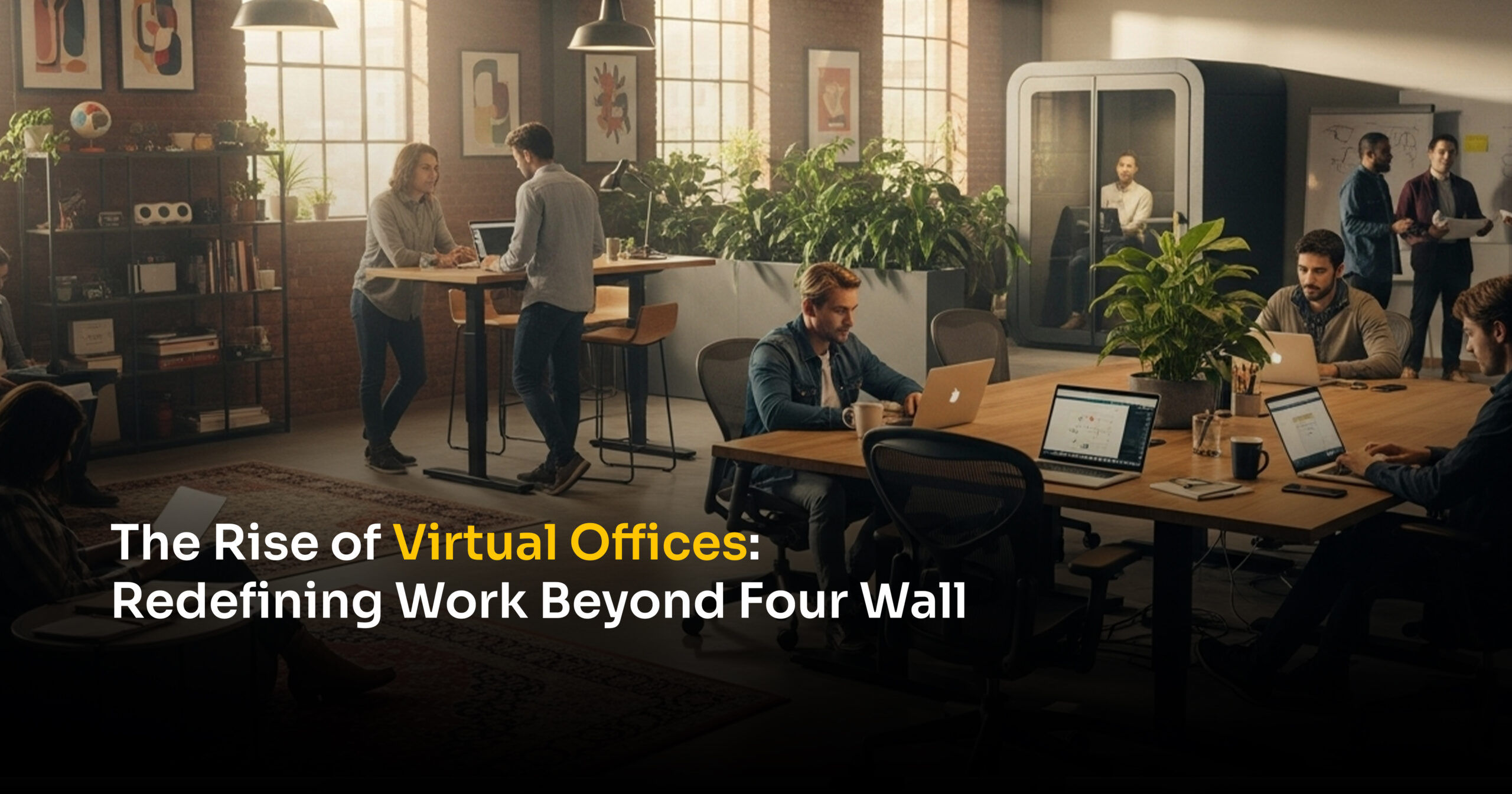
The Rise of Virtual Offices: Redefining Work Beyond Four Walls

In a rapidly evolving world, the concept of a traditional office—one enclosed by four walls—is becoming increasingly obsolete. Welcome to the era of virtual offices: agile, adaptive, and boundary-free workspaces. This phenomenon has gained traction globally—not only within remote-first corporations and gig economies but also among students, entrepreneurs, and service-based businesses.

In this blog, we’ll explore how virtual offices have reshaped work culture—from technology and design to productivity, costs, and legal considerations. Whether you’re a student prepping for future careers, a home-based freelancer, or just curious about modern work models, this article offers an engaging, informative roadmap to understanding why work is no longer confined to brick and mortar.

What Is a Virtual Office?

A virtual office provides essential business functions—such as a professional mailing address, mail handling, phone services, meeting-room access, and sometimes coworking space—without requiring physical office occupancy on a full-time basis. It’s a flexible and affordable alternative, often consisting of:

  • Digital mailboxes
  • Virtual receptionist or call handling
  • Meeting rooms on demand
  • Coworking hot-desks
  • Professional business address (for client credibility)
  • Digital tools for collaboration and communication

This concept flips the traditional workspace model on its head: Now, work is as mobile as the Wi-Fi signal.

The Shift: From Cubicles to Clouds

How Remote Trends Fueled the Rise

Three big trends catalyzed the switch:

  • The COVID-19 Pandemic accelerated global adoption of remote working.
  • Technology Advances, including reliable high-speed internet, cloud platforms, video conferencing, and collaboration tools, have broken down physical office barriers.
  • Changing Workforce Preferences among Millennials and Gen Z, who prioritize autonomy, flexibility, and work–life blend.

Why Virtual Offices Are Gaining Ground

Virtual offices are popular for many reasons. Let’s unpack the key drivers:

Cost Efficiency
  • Low Operational Costs: No rent, no utilities, no full-time receptionist payroll.
  • Scalable Investment: Pay only for what you use—whether it’s a monthly virtual address or meeting room bookings as needed.
Global Local Presence
  • Prestigious Address: Professional mailing address—say, a central business district suite—enhances credibility, no matter where you’re based.
  • Multi-Market Access: Establish virtual addresses across cities or countries without physical expansion.
Flexibility & Scalability
  • On‑Demand Services: Need meeting space this week? Book it for an hour. Need mail sorted only this month? Schedule accordingly.
  • Staff Freedom: Teams can work from home, coffee shops, or even across borders—with centralized support infrastructure.
Increased Productivity & Work­–Life Balance
  • Reduced commute stress, customizable workspace, and autonomy contribute to increased output and employee satisfaction.
Environmental & Social Impacts
  • Lower Carbon Footprint: Fewer commuting trips and reduced office space lower environmental impact.
  • Inclusivity: Better accessibility for people with disabilities, caregivers, or those in remote regions.

Virtual Office Components Explained

Here’s a detailed breakdown of typical virtual office services:

  • Professional Mailing Address: Your business appears established and local—even if you’re managing operations from your bedroom.
  • Mail Handling & Forwarding: Digital scans of mail are delivered to your virtual address or forwarded to your home or co-working location.
  • Phone Answering Service: A live receptionist answers calls under your business name and forwards messages—adding credibility and efficiency.
  • Meeting Rooms & Coworking Access: Bookable per hour or day—flexible access to physical meeting spaces as needed, without full office tenancy.
  • Virtual Assistance: Options like receptionist support, call scheduling, appointment reminders—without hiring staff on payroll.
  • Technology Stack: Integration with tools like Slack, Zoom, Google Workspace, or Microsoft 365—centralized communication and collaboration.

Who Uses Virtual Offices—and Why

A diverse ecosystem thrives on virtual offices—let’s explore who benefits:

Freelancers & Online Entrepreneurs

Creative professionals appreciate the reduced setup cost, work flexibility, and impact on personal branding.

Startups & Small Businesses

Tight budgets, remote teams, and global vision make virtual offices the perfect launchpad.

Remote & Digital Nomad Workers

Want to work from Bali one month, Berlin the next? Virtual addresses in your target market help build legitimacy.

Educational Services & Student-Led Enterprises

Students or recent graduates offering tutoring, consulting, or digital services during academic years gain authenticity without expensive leases.

Service-based Businesses

Legal, accounting, marketing, design, or training services can project a professional image with a premium address—even if the core team works remotely.

Emerging Technologies Powering Virtual Offices

The virtual office ecosystem thrives on:

  • Cloud-based Tools (Zoom, Microsoft Teams, Google Workspace, Notion, Slack)
  • VoIP & Call Routing platforms (e.g., RingCentral, Grasshopper)
  • AI-driven Receptionists & Chatbots for 24/7 support
  • Smart Mail Scanning & Automations through digital mail services (e.g., iPostal1, Earth Class Mail)
  • Booking Platforms (Flexbooker, Skedda) for seamless room and resource scheduling

These tools unite online and offline workplace experiences—blurring “office” boundaries.

Challenges and Considerations

While compelling, virtual offices come with considerations:

  • Data Security & Privacy: Evaluate how mail is stored, scanned, or forwarded. Confirm compliance with privacy laws.
  • Regulatory Requirements: Depending on jurisdiction, licenses or disclosure of virtual addresses may be required.
  • Client Preferences: Some clients may still prefer face‑to‑face meetings; hybrid models may help.
  • Team Coordination: Remote work can make collaboration and company culture more challenging without deliberate design.
  • Perception Management: Keep branding consistent—ensure the business name and address always reflect your professional positioning.

Best Practices for Virtual Office Success

Invest in Reliability & Clarity

Ensure mail, calls, and bookings are always handled promptly, regardless of time zone.

Maintain Regular Communication

Virtual teams benefit from structured communication—daily stand‑ups, weekly sync, transparent shared documents, and weekly video check‑ins.

Blend Virtual with Physical Touchpoints

Leverage coworking or meeting spaces periodically to meet clients, train staff, or reinforce team cohesion.

Use Brand‑Consistent Virtual Presence

Train your team’s virtual email signatures, call scripts, and mail reminders to reflect your brand uniformly.

Ensure Cybersecurity & Compliance

Encrypt digital communications, back up critical data, and verify secure mail handling practices.

Future of Work: Hybrid or Fully Distributed?

Hybrid models are gaining popularity—combining remote freedom with physical hubs for team connection.

  • Hub-and-Spoke Model: A small headquarters or coworking HQ as a central hub, connected to remote agents across regions.
  • Swappable Co‑working Hubs: Local rentals per need (e.g., weekly city‑based workshops) rather than leased space.
  • Campus-like Virtual Doors: Platforms that simulate physical campuses through VR or gamified metaverses.

This digital-first flexibility empowers businesses to pivot quickly, minimize overheads, and adapt to dynamic market conditions.

Summary 

The rise of virtual offices signals a profound shift: work is no longer confined to physical structures. For students, freelancers, startups, and service businesses alike, this model offers flexibility, cost savings, global presence, and professional credibility.

To harness this trend:

  • Clearly define your virtual services and brand presence
  • Invest in a reliable virtual office infrastructure
  • Blend virtual flexibility with strategic physical touchpoints
  • Prioritize security and professional consistency
  • Leverage the model to amplify student services, entrepreneurship, and remote career launchpads

Frequently Asked Questions

What’s the typical cost of a virtual office?

Costs range from $50–$200/month for basic services, scaling up if you need meeting rooms, call services, or multiple locations.

How secure is mail handling?

Choose providers that offer encrypted scanning, secure portals, and certified destruction of physical documents if needed.

Do clients take virtual businesses seriously?

 Yes—if branding is consistent, communication prompt, and services are high-quality, a reputable business address enhances credibility.

Can a virtual office scale with business growth?

Absolutely. Start with basic mail services and add receptionist, coworking, or even rental boardroom access as needed.

How do hybrid work models fit with virtual offices?

They complement each other. Virtual offices reduce fixed costs, while occasional coworking or hub presence strengthens team bonds and client trust.