The COVID-19 pandemic forced an unexpected shift to remote working in one of the biggest global experiments in the history of work. Workplaces throughout the world are undergoing an intense transformation. Organizations are reevaluating work models to resume pre-pandemic operations. Many businesses are dovetailing to go back to the office but are faced with a similar situation. Not all wants to go back to the office. Managers and company leaders are having to face the need of creating a hybrid office of both traditional workers and remote workers. Employers are ripping up the rule book on how, where and when people work and trying out something called ‘hybrid working’. It’s a transform that is gathering momentum. A current survey found 75% of workers imagine that ‘hybrid work’ will be standard in their companies during three years.
Office Space for Rent in Chennai
Today’s hybrid office comes with a fresh set of employee concerns along with a new set of hopes they have of employers. During the shutdowns, people saw that along with preventing exposure to COVID-19, almost all of them did not get colds or the flu as they generally did each year. Several employees have taken note of this and have some level of inconvenience about working in enclosed spaces with big groups of people. Add to that the reality that in-office employees today crave distraction-free quiet spaces where they can do more strongly focused work like what they had in the WFH Circumstances during the shutdowns. They are also riding the adoption of touchless workplace technologies and the origination of outdoor workspaces to use when uniting with teams. To keep employees highly occupied with their company and their work, employers can permit for the office to become a true mixed environment. They must work out programming so that teams can work equally from home and from the office at any time. Work policies must be modified to accommodate flex scheduling as well as how work will be done. Open and available schedule software platforms should show team members who may be on thesis or working from home. Workflows must be more sessions adapted to authorize employees to do their jobs no matter of location or time of day. That should be minimized, while leveraging unsynchronized forms of communication along with devoted slack channels and virtual project boards. Mobile technologies should be employed to enhance productivity as a single allied experience regardless of the place of the employee or their team members.
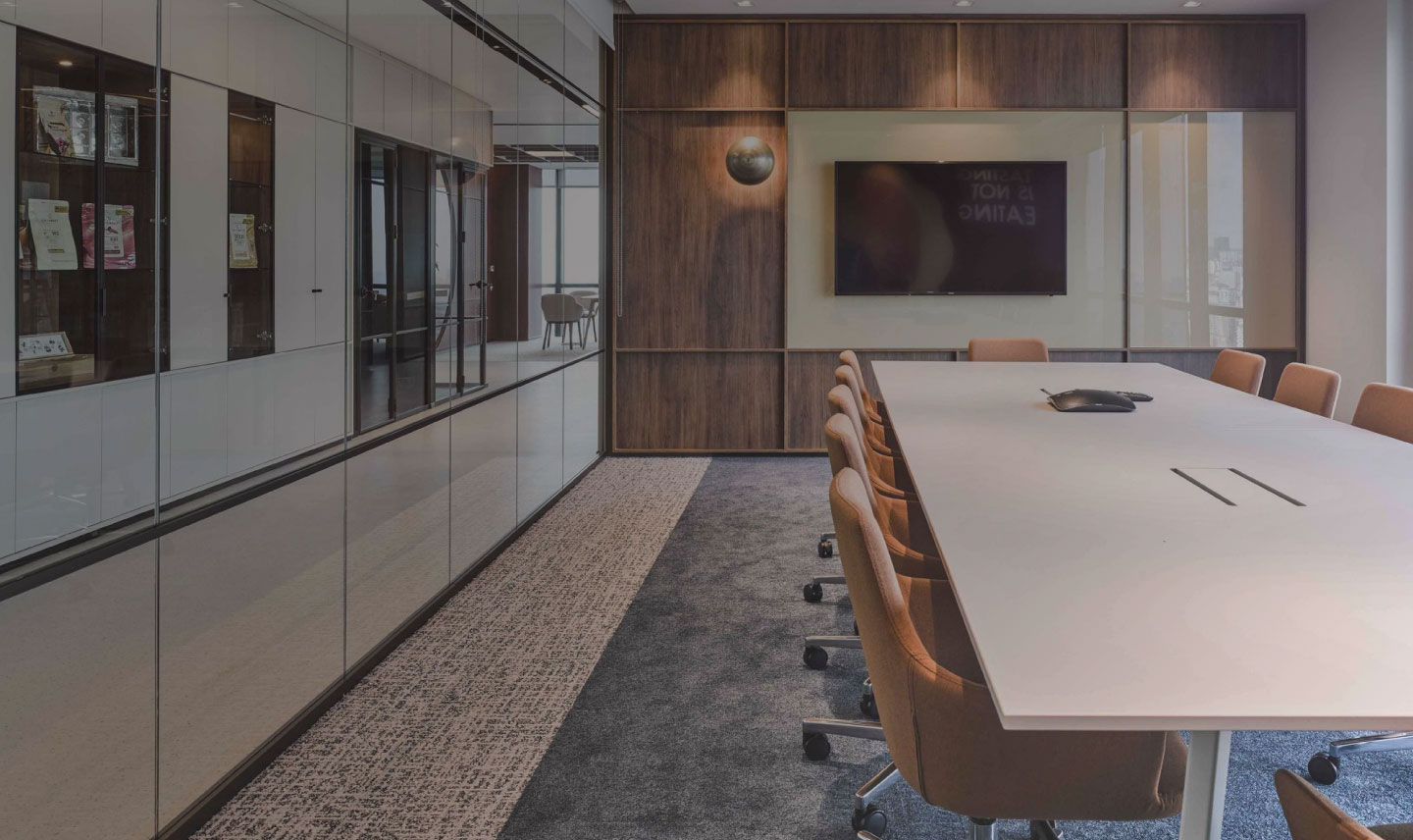
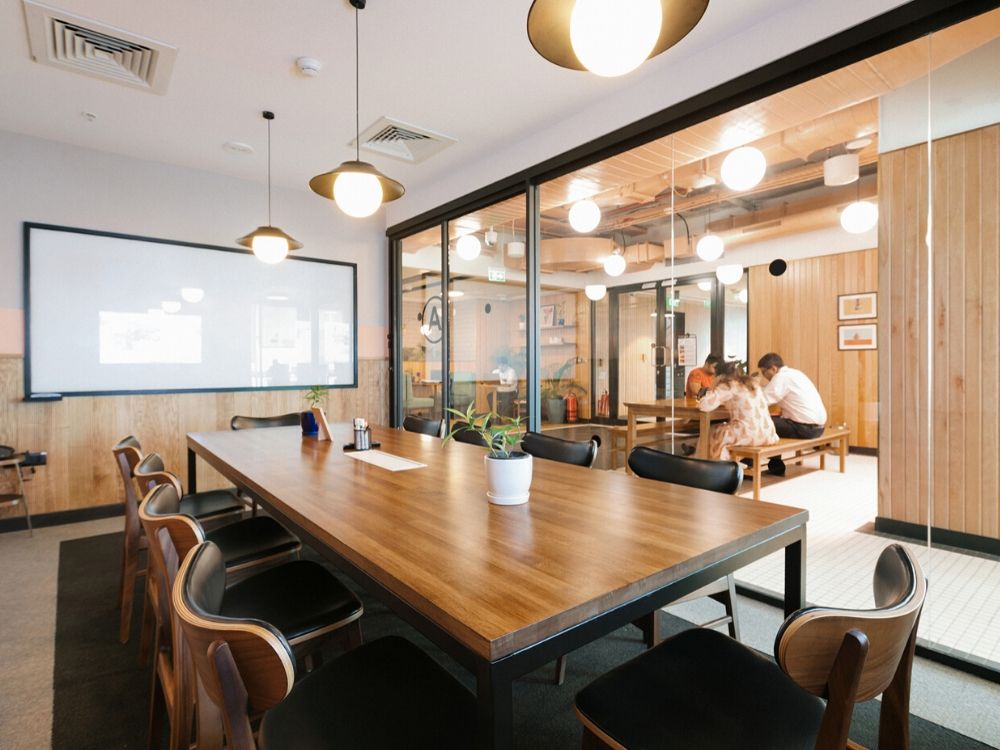
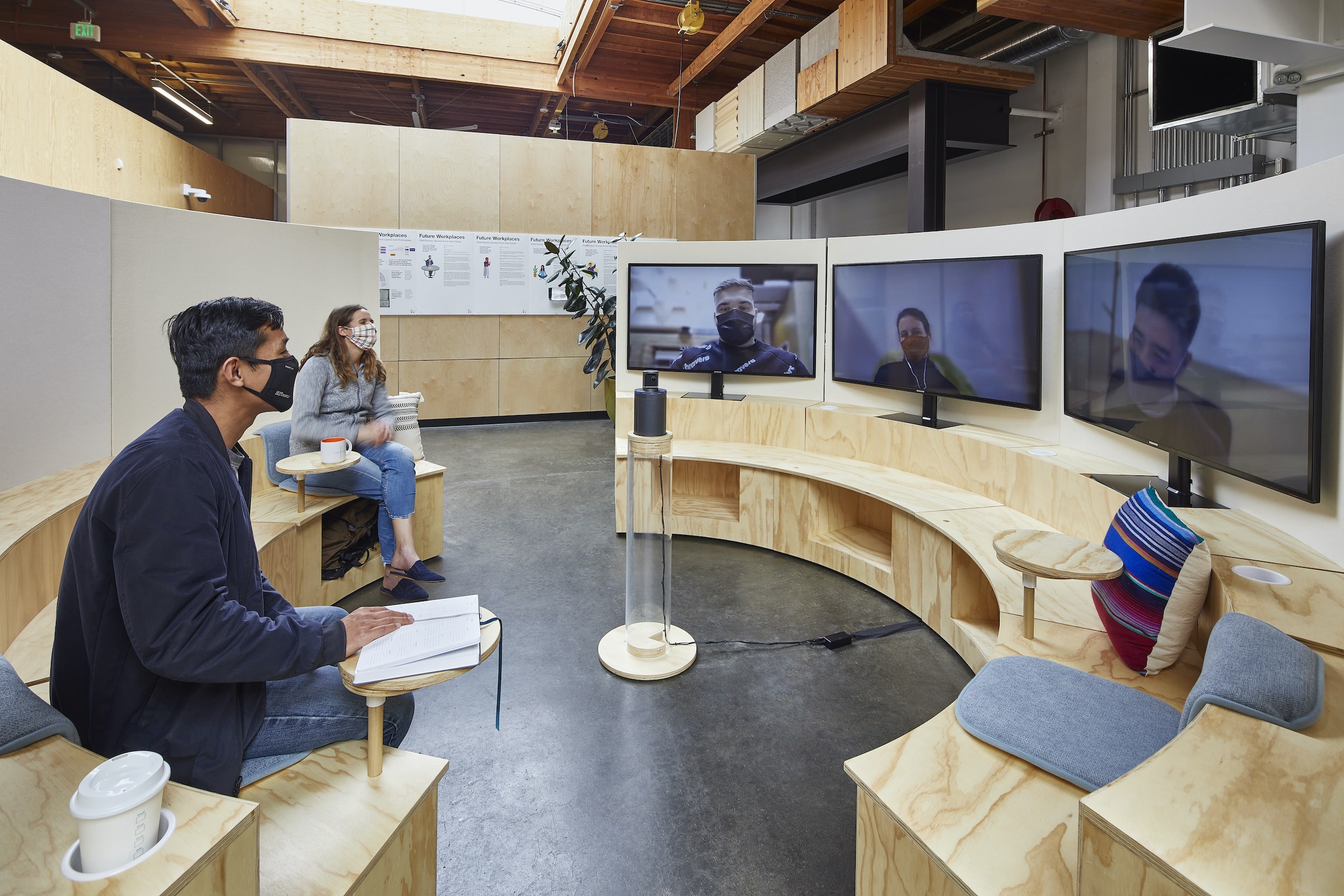
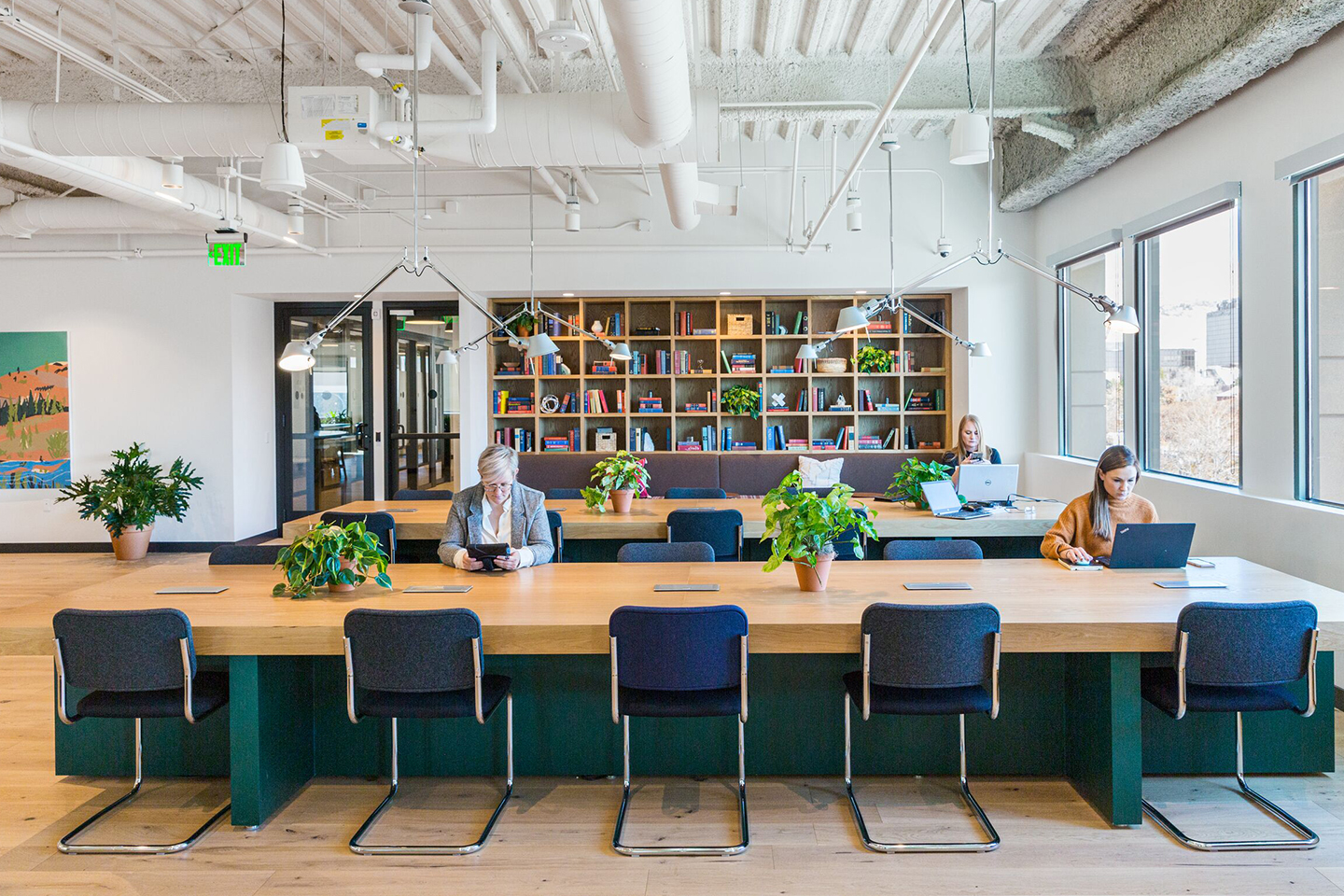
A hybrid office is designed to back both in-person collaboration and remote work. Unlike a sharp work environment, which makes it simple for employees to choose from various types of spaces while they’re in the office, a hybrid office accepts employees will be shifting more frequently between home and the office. Hybrid work environments also benefit the employees that simply do not have an appropriate workspace at home or find it very hard to work with distractions and duties that demand their attention. It should make it effortless for employees to meet with team members whether they’re face to face or functioning remotely.
Elements of a Hybrid Office Include:
A blend of collaborative and private rooms.
All-purpose areas employees can use relying on the work they’re doing.
Furniture that’s easy to reconfigure.
High-quality conference room technology.
Technology that makes it smooth for employees to find and book workspaces anywhere.
Some Benefits of Hybrid Offices:
Studies signal that the benefits surpass the negatives for both employers and employees:
Productivity increases. Telecommuters have minimal social distractions and take extra breaks which keeps them regenerated and motivated.
Lower stress levels. Statistics show that people who telework, even every month, are happier and below stressed.
Cost savings. Both employers and employees cut costs by working remotely even twice less the time. Remote workers save on traveling costs while businesses save on supplies and other outlay.
Reduced employee turnover. Companies who offer flexible work arrangements see a 25% lower employee turnover.
There is still dubiety around the future of work life, but the office outlook has certainly been permanently changed. Office life that once existed is lost – there will be no closer packed, open-plan office spaces. The big offices will keep the hub, but it’s extremely improbable that organizations will be asking all their employees to return in full capacity. The future could see shorter, satellite offices beginning outside of the downtown city municipalities. Having small teams of employees work in the office on events can preserve company culture and comradeship that can’t necessarily be obtained via video calls. Finally, the future workplace is a mix of remote and in-office, and technology is the clue to keeping employees linked and workflow going smoothly. Digital transformation is the step ahead.
Advanced office design can give rise to works of art. Lost are the days past boring, eggshell-dyed walls and three-dimensional mazes packed close under the drone of twinkling fluorescent lights. Rather, open, sunny spaces with sprays of color fostering creativity and furtherance morale are the standard in modern offices. Newfangled workspaces are probably to be designed around an idea known as domesticating working. The mainstreaming workplace model flips the traditional office pattern by making the public workstations the quiet space and the confined areas become the places for conversation as well as secrecy. Modernbusiness centre plan is a workplace design movement recognizing the needs and longings of today’s workforce. Currently, workers aren’t exactly tear-jerking at the idea of outlay 8–10 hours a day in a soul-sucking cell. Instead, they desire spaces that feel homey and soul. They want to dump the 9-5 jail look and work in areas that feel better attractive.
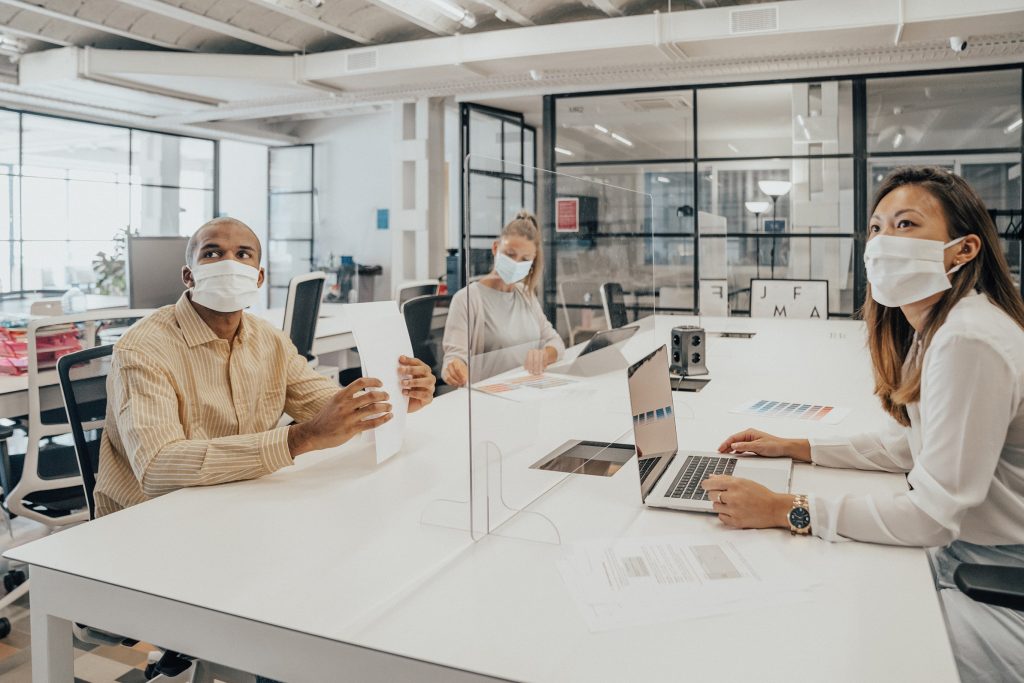
The pandemic has modified the way that both employees and companies’ method their office layouts. While various offices had interim measures in place to make certain health and safety, there are also major long-term changes that will go as far as fears over the pandemic vanish. The last year has made more people knowledgeable about how essential health and safety steps are to safeguard our wellbeing. A year of mask wearing, frequent hand washing, and social distancing changed the ways that we view office safety and sanitation. Office layouts can encourage healthy conduct and make workers feel more agreeable coming back from isolated work. They can also help push a collaborative condition while still holding safety measures for their employees.
Some Modern Office Design Trends:
Hands-Free or “Touchless” Technology-Inspired Office Design:
Workplace design and technology go hand in hand. Office sketches need to lodge a company’s framework. Think: beacon technology and mobile systems for demonstrations or telephone conferencing in shared work atmospheres. A big office design craze in 2021 will be the execution of freehand technology to restrict surface touching, and thus the spread of a virus in the workroom. Hands-free technology comprises touchless logging solutions for guests, who simply scan a QR code at reception desk kiosks or entry control points like gates, turnstiles, or lifts in a building.
Collaboration:
The thought of dynamic pliability collaborative office design emphasis on the best presumably use of worth real estate. Collaborative office design enables for complete commutations of environments from performance area to podcast studio, to conference room, to a quiet, quasi-private space with negligible effort and time.
Consciousness of how germs or viruses may be circulated, and the importance of cleansing has increased now even more. Business Centres are essential for many companies to all in one yet are also very open spaces. Below, we’ve dragged together information on how to aid protect your individual workspace or office. Sanitizing and keeping a purged work environment is geared to keeping your health and safety. Regularly sanitizing the spaces you work in may supply preventative measures to spying illnesses, exacerbate allergy symptoms and more.
Smart Materials Focused Office Design to Boost Air Quality and Circulation:
Good design means a strong concept, aptness to the historical and present context, a equalize between design and need, care to and creation of striking details, unlined structural design, perfect execution of the project, and considerate materiality. The materials elected affect the epitome of built environment in terms of their optical impression and historical value, along with their structural weight and constructional behavior. The careful selection of materials for a design could create a healthy and congenial environment. If we peep into the benefits that the smart materials bestow to society, we see its self-testing ability to resist extreme climate conditions and heal itself. Its life cycle contains costs and helps in efficient induction and construction methods. Its benefit is no bar to physical and automatic features only but expands further into the sphere of aesthetics.
Activity-Based Planning:
Activity-based working is a working style that allows employees to pick from a variety of settings in accordance with the nature of what they are doing, blended with a workplace experience that entitles them to use those spaces during the day. This line of thought addresses reevaluate buildings based on what men make. When employees come in all day long, the first thing they do is look at email and voicemail. After they have reached, they might have a conference. If it’s not intimate, they can have it in the open meeting space. If it is confidential, they able to use private area. Even though workers have little room, they have more activities to decide between. There is now space for a coffee room, a library, an information center, maybe a cafe, as well as all the little inner rooms.
Rec Rooms and Lounge Spaces:
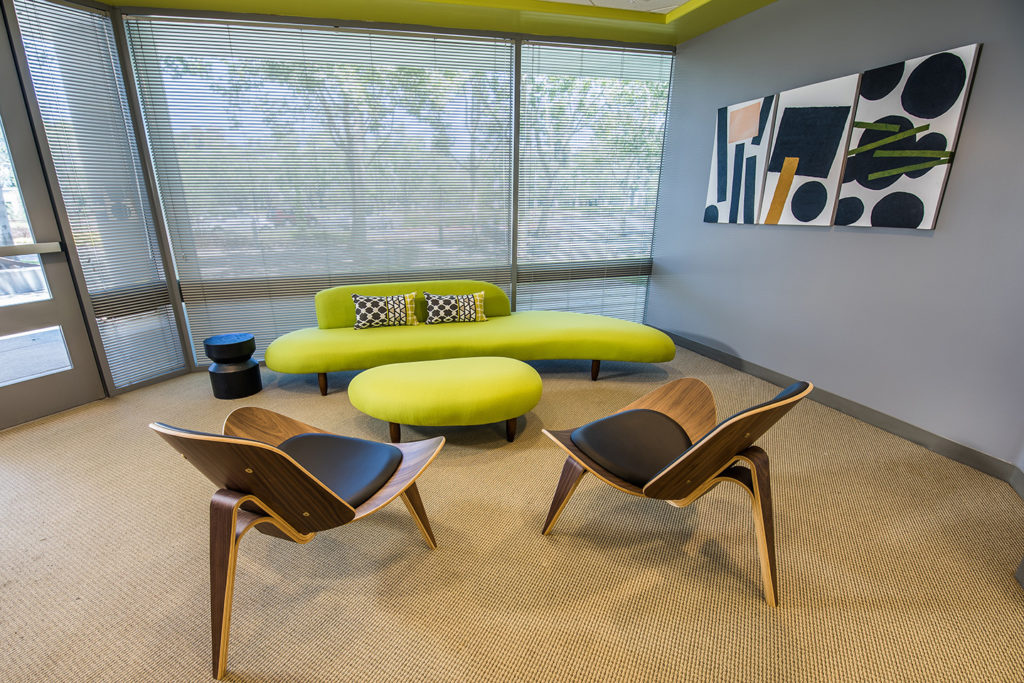
In the modern workplace, office couches have evolved to become a place where everybody comes together to combine and share ideas. Whenever you need an office full of brilliant minds, the office couches can be a focal point of creativity, but you ought to set the stage to avert it. Lounge spaces might sound ineffectual — work is for working, true? But creating that homelike feel is one of the cornerstones of modern office structure — and workers are excavating it. As far as dens go, what better way to build morale and unleash some tension than unwinding with a game of football? Plus, areas like these are sure to geez clients and attract possible recruits.
Hot Desking:
Hot-desking is an administrative office system in which desks are utilized by several people at various times, on a makeshift basis. Normally, the objective is to inflate space efficiency and reduce property danger by lowering extra office space. Hot desking is the workroom scheme where all or a portion workers share desks in place of possessing a permanent one, build up an activity-based work atmosphere. Instead of allocating each employee their own desk, you can set up a method where desks can be communal throughout the day as needed by flexible workers. In a hot-desking office, people anymore have designated workspaces. Rather, they sit at a different desk daily. This can release space and cut costs. It can also halt cliques from making, and may encourage imagination, collaboration, and business networking.
If you often struggle with feeling blah about what you’re working on, you are just like most of us! Even ideal jobs come with their share of hindrances, as well as the occasional task that, while glamorous, can’t be neglected. It is very important to stay motivated at work and also to inspire others around you because motivation directly leads to production. Now, due to remote working, this has become even more important. At times, feeling motivated is easier this way remembering the people your job serves. If you look like you’re making someone’s life higher—even if it’s an unknown—driving through can feel easier. Occasionally an inadequacy of motivation stems from feeling sub-optimal. Finding ways to try new things could be the trick to breaking out of your routine—and the same goes for colleagues who might appreciate a new challenge. Just taking simple steps and changing a few things around you can be exciting and in turn, motivating. One of the biggest advantages of working in a coworking space when compared to a traditional office is that you have the liberty to make changes as you like. You can rearrange furniture and your surroundings as per your liking which boosts morale, and which leads to an increase in production. Here are 7 small steps that can have a big impact:
1. Keep Photo Frames of your Loved Ones:
One and all love to have their family photos displayed in their residence. It makes you happy and relaxed. So why not do the same at your work. Presenting family photos and personal remembrances on a desk is a good way to help people feel cheerful, healthier, and enhance productivity at work. Personalized pictures take away the seriousness of a professional environment.
2. Add more Lights:
You will strain your eyeballs if they aren’t bright enough, and this can cause a deterioration of your vision over time. Glimmer conditions can also lead you to feel sleepy and even slightly unhappy. By adding up a fine lamp, you will guarantee that there is full of light in your immediate environment for you to see clearly. If possible, you must try and let some sunshine into your office by fitting your office desk near a window.
3. Add Some Extra Storage Space:
It is essential to have a neat desk. Unkempt people are also less productive than others since much time is spent on locating things than doing things. A great way of avoiding your desk from getting all messed up is to simply add some extra storage space. A small cabinet with about three partitions is usually more than adequate, but you can also make your own racks. A chest or related piece of older furniture can also be used to add disk space, but something as simple as cartons, baskets, or travel bags is capable of the trick in a pinch.
Without you feel happy as there is a creative corner in your office developed by you, all yours. You can have a comfy little corner where you can have a crib sheet, to-do list, prominent telephone no, ideas, sketches/arts, and whatnot. Believe it is a kind of therapeutic. It’s not only fun and peaceful but it can at times increase productivity when you are furthermore creative.
5. Keep a Potted Plant:
Having greenery in the office has also proven to improve air quality, devote more attention to time, improve imagination, lower stress, and brace mood. Research has shown that just summing some leafage in the kind of indoor plants can have great impacts positively for personnel and their organizations. Advocates of color psychology argue that the dye green has a soothing and quieting effect – so bedecking offices with this shade could possibly have the same effect as introducing plants to the working area. Also, by absorbing noises (rather than shielding against acoustic pollution), plants help to diminish the confusing effects of surroundings office chatter.
6. Being Comfortable:
Seated in the perfect position not only vouches that you stay fit, but it also allows you to sit in the same way much longer without restless around or fetching numerous breaks to stretch out your body. Well-designed chairs are intended to be adaptable to the requirements of users and relate to a higher level of productivity due to the personalized support that they provide. In a coworking space, there are so many seating options, employees are free to sit and work as they please as per their comfort.
7. Surround Yourself with Things you Love:
Always have a few things around that you love. You can have a music system with built-in speakers to listen to soothing music while working, a nice, personalized mug to enjoy your coffee, an ergonomic lumbar neck support pillow, a painting of your favorite artist and the list goes on. It is very important to feel happy and relaxed while you work.
Remote work (otherwise known as work from home [WFH] or e-working) is a kind of flexible workforce arrangement that allows an employee to work from distant places beyond federal offices. Remote working also comprises working from a coworking space. Remote work demands policies ruling equipment apply, network security, and production expectations. An overseas business is an organization that grants employees to work from home or from everywhere they wish. 100% of remote businesses generally do not at all possess head office and can function across the country or just the whole world. The universe is in the middle of global cultural development, thanks to the impact of the coronavirus outbreak. Another most stricken area of life has been the method we do work. Few major brands and companies have previously stated that they are not anymore getting back to the office. Due to this, coworking spaces are the next big thing. According to a report by Gartner, 74% of companies plan to permanently adopt remote work post-Covid. Operating from home can be favorable for both business employers and the workforce. Employing remote workers can result in enormous business savings: It reduces office costs. Companies even look for affordable coworking space or even luxury coworking space for that matter. With fully furnished office space, you scale back the office costs of furniture, bills, cleaners, and office supplies, and tend to see fewer sick leaves. It reduces wasted time. Build in the inadequacy of commute, and home workers typically have plenty of time and lesser diversions, which leads to greater productiveness —a tremendous advantage of working from home for management and labor alike. When complete right, remote work admits employees and companies to emphasize what is indeed important —performance.
On the other hand, having colleagues and friends at work increases job satisfaction. Good collaborative links also reduce frustration by the job as they put it easier for people to receive help when they be needing it and learn new assignments that are immediately downstream of their reach. A research of 61,000 Microsoft employees propose remote work is not good enough for communication between multiple teams. wholly remote workers talk less with individuals outside their team, a study insinuates. They are also decelerator to make new contacts, the study showed. Here is the few drawbacks of remote working:
Isolation. It’s simple for employees to feels to be they’re part of a company’s bigger picture when they’re in a office space and solutions generating with coworkers day by day.
Decreased Employee Visibility.
Decreased Work/Life Balance.
Lack of Relationships among Coworkers.
Increased Distractions.
To avoid all this, companies should develop strong remote work culture for the team.
Plug and play offices are also remote working yet has other advantages of a conventional offices. This is the advantage of a coworking space.
What is Remote Work Culture?
Workplace culture is the surrounding you create for your employees to nurture employee camaraderie, gratification, and productivity. In essence, it’s the hidden bond that ties your employees close to a common aim and is led by the attitude your employees have toward one another and the tasks allotted to them. Remote work culture, therefore, is the heaps of attitudes and sentiments you cherish in your team to stimulate increased productivity while holding good mental health.
Why Remote Work?
Despite original reluctance from more typically minded leaders to finance remote work as a right choice for the manpower, most people now accept that remote work has powerful advantages. You’ll have a remote culture either you deliberately create one or not. Your employees will configure their own understanding of your company in accordance with their everyday experience in the online work environment. They were able to watch it as flexible, collective, and fulfilling — or isolating and prohibitive. So, it’s merit being intended in how you make your culture, devoting time and energy into producing it the best culture available.
Let’s view at the perks of making a strong remote work society:
Increased employee engagement
Counteracts loneliness
Greater productivity
Reduced turnover
Improves trust and communication
Positive employer brand
Lower overhead costs
Wider talent pool to recruit
How to Build the Best Remote Work Culture?
Building a company culture is a collective effort. Below, we’ve brought together strategies, ideas, and instruments to help combine your team and build a bustling digital culture in little time.
1. Communicate, Communicate, Communicate:
With remote teams, it’s nearly impossible to over-communicate. Since you aren’t everybody works jointly in an office setting, you don’t hold the opportunity to ally in person, check in at another’s desks, or conversation in the break room to stay latest. This means you need to find other ways to communicate well and undoubtedly. Business relationships are very vital.
Make it clear early on how your team will interact and the finest channels for various types of work and matters (e.g., performance reviews vs. project updates).
These might include:
One-on-ones and check-ins
Team meetings
Making a business community
Email
Slack
Video conferencing
Project management software
Everyday communication will help one and all stay on a similar page and build finer connections and fiduciary relations across the team.
2. Set Healthy Boundaries:
Working from home can smudge the lines within personal life and work life. Remote workers heretofore work extra shifts than office workers, subjecting them at risk for added stress and even burnout.
Aid keep your remote personnel happy and well by setting nourishing boundaries throughout work:
Limit hours of availability
Encourage self-care
Build wellness into your team activities (e.g., host regular mindfulness breaks)
Share about family life or personal interests outside work
3. Rally Your Team Around a Common Cause:
Well in a corporate or social setting, strong cultures are improved from people encouraging around a common cause. For that reason, to build a powerful remote culture, you should provide your employees a reason to rally behind. And what better cause than your organization’s view, mission, and values? As well as must you throw a clear vision, but you must prove your employees their significance in assisting the organization triumph at accomplishing it.
4. Meet One-on-One with Employees:
Most agencies have an “open door” rule where employees can unrestrained approach a supervisor and converse with them about anything. With remote work, employees maybe not feel as free to interact with a supervisor. Therefore, when building a strong remote work culture, you must support your management to reach out to forefront workers and have person-to-person conversations with them. This can be as easy as a phone call or talking over one of your favored communications channels. Thus, will help your remote workers think appreciated and part of a huge team.
Transparency is an important ingredient in developing a persistent remote work culture. This means you must be clear in every aspect of the organization’s activities. From performance to management decisions, team members must be made Knowledgeable about what’s occurring in the organization. You must also adapt it to a grainier level and promote your employees to openly share their ideas along with their feelings about life in the organization. Transparency fosters powerful bonds between employees and foments loyalty to the organization. It also permits employees to be unprotected enough to share their “crazy” ideas – ideas that could transform your business.
6. Recognize Achievement:
People enquire that they matter—and this doesn’t alter when they work outside the office. But working remotely can make it simple for employee endowments to go unnoticed. Not to let that happen. Make employee appreciation an integral part of your remote work culture and involvement strategy. Show appreciation for accomplishments big and small, both publicly and privately, so your employees know their job is valued. A positive remote work culture won’t happen nightlong. Create a scheme and work on cultivating a strong culture for the long term.
7. Host Virtual Social Meetups:
People are gregarious animals. And the water-cooling system provides some great possibilities for some light-hearted discussions. For that reason, as part of your remote work culture plan, you must promote your employees to take some public time “outside of work” – collectively. You can do this by possessing a happy hour on Zoom (or your video teleconferencing software of choice). Otherwise, you can also start a Slack channel alone dedicated to your remote worker’s photo sharing of their weekend, pets, or anything that isn’t work-related. Nevertheless, you do it, cheering your employees to have enjoyed each other should take a role in your remote work culture.
8. Provide the Right Communication Tools:
As said, communication performs a vital role in guaranteeing that you have a solid remote work society. But because of that communication to be efficacious, you must provide your employees with the best communication and modalities of collaboration. Of course, what may be the better tools for one organization possibly the worst for another. So how do you secure you choose the correct communication and collaboration tools for your business? Easy. Determine your business preference and focus on communication and collaborative mechanisms that make it simpler for your employees to work on them successfully.
9. Explore New Ways to Collaborate:
Collaboration commonly looks like everyone in a room thinking and meeting together. With remote teams, participating must happen virtually. Experiment with various tools and plans for collaboration. Collaboration can occur in real-time with meeting tools like Zoom or Lucid spark, but it may as well happen asynchronously—with team members granting to the conversation at multiple times of the day or week and accompanying measures on the work later. Try numerous tools and channels to look at what works for your team based on workflows, goals, priorities, and personalities.
10. Boost Trust and Encourage Development with Performance Feedback:
Employees can’t refine if they don’t know what is right to work on. That’s why feedback is so important. Make sure feedback is:
Specific
Timely
Constructive
Cultivate a reply culture that goes there and back —top-down and bottom-up so that one and the other employees and leaders have an opportunity to give and accept constructive input. Ask for feedback during a private conversations, team meetings, and through surveys to get understanding on how your team members are presentiment and identify ways you or the company can grow. Regular, constructive criticism from managers, coaches, and glances can help remote employees grasp what is expected, recognize areas for improvement, and closer align their efforts with the aggregate goals of the team and organization.
Whether full-time or cross, for many organizations remote work is here to remain. And as employees progressively expect and demand flexibility and remote options, officers will need to adapt to a new normal for administering remote teams.
Fortunately, with the right technology and employee involvement solutions, managing remote workers can be just as fruitful—and productive—as handling an in-house team.
A virtual station is an assistance that allows a businessman with all the advantages of commercial assets – a commercial address and phone numbers, communication and management services, and permission to use meeting rooms – without the need for a real-life office. A virtual office presents businesses with a real address and office-related aids deficient in the costs of a long lease and management staff. With a virtual office, staff can work from everywhere but still have things like an email address, phone answering services, conference rooms, and conference servicing. The virtual office has turned into an everyday workspace solution for freelancers and business owners who work outside the office but want a professional-sounding company address for their company. It gives business leaders all the benefits of a business with a physical presence location without the expense of renting out an actual office.
A virtual company address can further add trustworthiness to a business, as makes it easy to effectually attract clients. Virtual offices are common ideal for tiny business owners, but they may as well run smoothly for big business where numerous employees work distantly or occasionally from serviced working space. Usually, all the coworking spaces offer virtual offices to their staff. When a company is a part of a virtual station in a shared office space, all its advantages and amenities could be retrieved by their employees in all the centers. This is the boon of coworking space. With the uncertainty of what 2021 may initiate, a virtual office offers you business possibilities and space, whereas formerly, the options may be engaged investing in a long-term, high-priced commercial lease. Most virtual office plans are month-to-month and can lightly be canceled. Virtual office services come at our fingertips for those firms that need an existence in multiple cities in multiple states or for founders who are just putting together their own venture. So rather than coming up with a physical space, this product can be gained without much capital and attempts invested.
Based on your requirement, once you wrap up a virtual office at a particular location, the service provider offers you a NOC to use their business address for all your formal communication. A brand board in your firm name is installed in the space. Going forward, the giver also ensures that all physical and electronic communication referring to your business becomes manipulated in the space. While VIRTUAL OFFICE for company registration is a famous product for businesses and business people, it is restricted by physical interaction. It makes complete sense for individuals and less self-sustainable businesses but for large businesses, it only serves as a Band-Aid solution. For such businesses, in the longer term, it will become certain to take up a physical office space for their team. Once they go to their own office, virtual office turns superfluous. Other drawbacks include lack of communication, ineffective communication, a little delay in receiving couriers and credentials, etc.
There’s no fixed rule for you to use a virtual office and every business, regardless of their domain, has been spotted availing these services. However, it is remarkably beneficial for:
Businessman while incorporating a new initiative in a new city.
Businesses who’d like to broaden to newer layouts without off shooting the estimate.
Businesses with Pan-India existence.
Companies that are totally remote & do not include a physical office.
International businesses looking to organize their offices in India.
Businessman, There are innumerable benefits of virtual offices, from cost-saving to having a PAN-India being unless actually possessing physical office spaces. Businesses that use VIRTUAL STATION services to obtain a premium business address needed for company incorporation & GST enrollment and oversee business remotely through the mail handling & telephone answering machine feature that brings with it. Below we have debated in detail why you should elect virtual office space.
1. Professionalism:
Home offices and unusual workspaces are becoming more commonly accepted, but for those watching to attract more-ordinarily minded corporate clients, it is worth having a dedicated office address and contact information.
2. Location:
By a virtual office solution, business owners will get an address inside a reputable area code, which is the right way to reassure clients that the business is permissible.
3. State-of-the-Art Meeting Facilities:
Virtual office bundles provide access to excellent meeting spaces for face-to-face confronting client meetings and teleconference calls.
4. Flexibility:
Business owners have the choice to hot-desk from several locations, either regionally or around the world.
5. Efficiency:
Working from home by using a virtual office address gains time and money that would else be spent on a daily trade.
6. Budget:
A virtual office solution rescues costs, as there is no point to hire physical space, purchase apparatus and furniture, or recruit a counter clerk.
7. Communication:
A devoted business telephone number, responded by a professional receptionist, ensures polished communication with all clients. Call transferring, post and parcels can also be managed by a virtual office welcome center.
8. Work-life Balance:
Teams running virtually typically have the boon of more idle time and flexibility.
9. Phone & Email Reception Services:
Coworking space has adequate staff with the administrative personnel that every office needs to exist. Their receptionist is open to answering your business calls and emails and will only forward along with the essential details so you’re able to concentrate on running your business.
10. Business Mail & Package Forwarding:
A primary concern for businesses utilizing a virtual office is retaining their mail or packages submitted to their virtual office address—and not their home address (where they’re principally working from). That’s not somewhat you need to bother about at a coworking space. We take your mail personally (not through a PO box), and we also provide a mail forwarding service—so that when the packages arrive at your listed address, they will be dispatched to your functional address post rush.
11 .Unlimited Business Advice:
All business owner, big or how small, new or established, needs a recommendation from time to time. Particularly when boating the maze of paperwork and taxes that keep a business adrift. Not entirely virtual offices offer this service, but some might offer the use of or advice from their own company of the financial and legal staff.
12. Local Telephone Number:
While call-up locality hardly concerns in a functional sense, it can lend reliability to your business among local clients. When been working together in a virtual office, you also are gain the benefit of a local business number those next clients are acquainted with and commit.
13. SEO Geolocation:
Another key benefit of using a virtual office address such as the registered address of your business is SEO geotag. That’s because multiple online services still profit from the ‘near me’ feature in browsers. It enables prospective clients or business partners to look for targets based on at which point they are located. Virtual offices are more helpful when they are found in the heart of the adjoining city —especially if you be in business from a home that’s located from the city, or in a suburb.A flourishing online business is a forceful thing in today’s world, but you still demand a commercial office as your main office. With virtual office service, it is not the case to break the bank or eradicate your operations to buying a physical office space—yet you gonna be able to relish the benefits that attach to having a main business address.